








- 1) Introduction: Why Asia Leads in Sustainable Living
- 2) Heritage Meets Innovation: Asia’s Sustainable DNA
- 3) Spotlight on eco-friendly bamboo home products
- 4) Sustainable Asian Brands (Home & Lifestyle) to Know
- 5) Country Snapshots: Handicrafts Across Asia
- 6) The Consumer Shift: Asia-Pacific Market Trends
- 7) Practical Guide: Choosing Authentic Sustainable Handicrafts
- 8) Conclusion: Past, Present, Future
- ❓ 5 FAQs with SEO-friendly answers
1) Introduction: Why Asia Leads in Sustainable Living
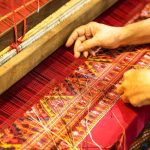
Across Asia, sustainability is not a trend so much as a memory—skills passed from grandparents who wove baskets from river reeds, dyed cotton with plants, and repaired tools instead of tossing them. Today, those time-honored habits blend with modern design and circular thinking to create products that look good, last longer, and tread lightly. From bamboo kitchens to minimalist textiles, Asian makers are quietly shaping the future of everyday things.

This guide celebrates that mix of heritage and innovation. You’ll meet artisans keeping local materials relevant, discover design studios that cut waste from their supply chains, and learn how to choose pieces that truly respect people and planet. You’ll also see why eco-friendly bamboo home products pair so naturally with a wider ecosystem of sustainable Asian brands serving home and lifestyle needs. We’ll tour regions where rattan thrives, jute becomes elegant, and plant-based dyes turn fabric into art. Along the way, you’ll get clear tips on verifying ethical sourcing, reading labels, and buying with confidence—without losing the joy of beautiful, handcrafted design.
🌿 “Looking to upgrade your skincare naturally? Don’t miss our guide on Top Organic Beauty Products Made in Thailand.”
2) Heritage Meets Innovation: Asia’s Sustainable DNA
For centuries, households across Thailand, Vietnam, Indonesia, India, Japan, and the Philippines used what the land offered—bamboo, rattan, jute, banana fiber, water hyacinth, silk, and organic cotton. Tools were mended, containers refilled, and garments passed down, creating a naturally low-waste culture. Those traditions didn’t disappear; they evolved. Today’s makers are fusing hand-weaving and carving with modern finishing, food-safe coatings, and ergonomic forms that suit smaller urban homes.
Consider the journey from village craft to contemporary studio: a cooperative weaving rattan baskets may now batch-dye with plant pigments for consistent color; a family woodshop might switch to water-based varnish; a textile mill blends linen and organic cotton for stronger, cooler bedding. On the waste side, designers experiment with upcycled materials—turning offcuts into coasters, stitching patchwork placemats, or producing zero-waste patterns so nothing hits the bin. In textiles, natural fibers meet technical weaving, improving drape, breathability, and durability without synthetic microfibers. The result is a living continuum: traditional handicrafts refined by modern tools, then re-anchored in local economies through fair trade partnerships and transparent sourcing. This is how authenticity survives—by adapting thoughtfully, not by freezing time.
As global demand grows, the challenge is scale with soul. Makers who succeed are the ones who keep village knowledge at the core while embracing measured innovation: energy-efficient kilns for ceramics, solar-powered workshops, safer dyes and mordants, and honest product labeling. All of this sets the stage for the next chapter—how one material, bamboo, became the poster child for practical, planet-wise design.
3) Spotlight on eco-friendly bamboo home products
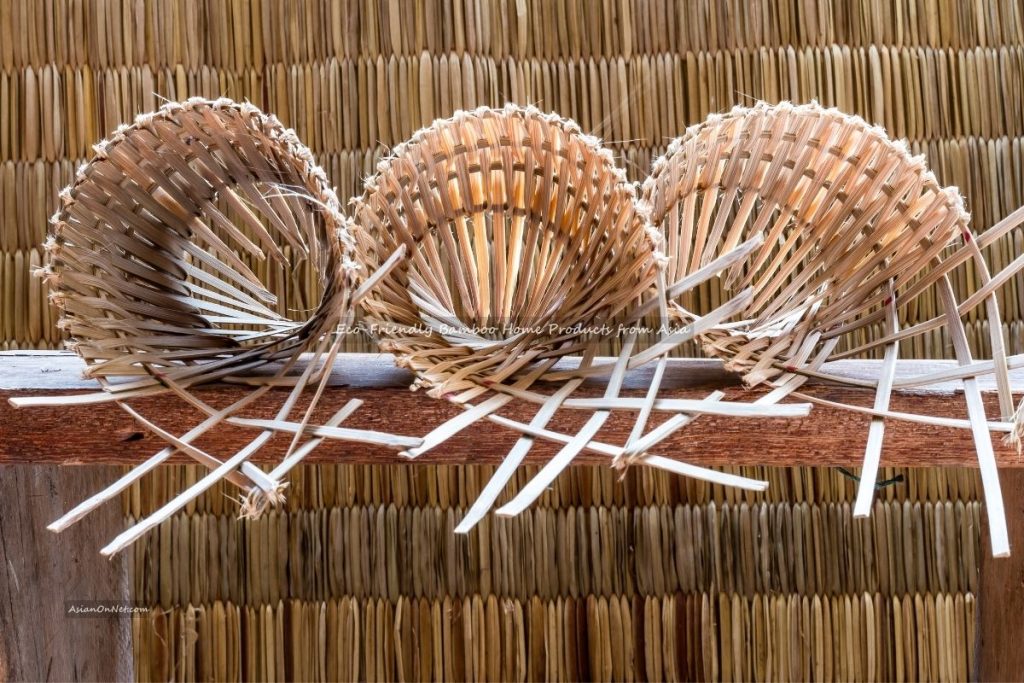
Bamboo is fast-growing, sturdy, and striking—no wonder it’s a hero of sustainable design. In kitchens, it’s light yet robust; in living rooms, it warms space; in bathrooms, it resists moisture; and as textiles, it brings a soft hand when blended with other fibers. Below are ways eco-friendly bamboo home products can elevate daily life while keeping waste down.
Kitchen & Tableware
Cutting boards, spatulas, and serving trays made from responsibly harvested bamboo are gentle on knives and easy to maintain. Paired with reusable chopsticks and a biodegradable toothbrush in the pantry for travel kits, a home naturally shifts toward low-waste routines. Storage canisters with tight lids support plastic-free bulk buying, while woven placemats and coasters protect surfaces with tactile charm.
Furniture & Storage
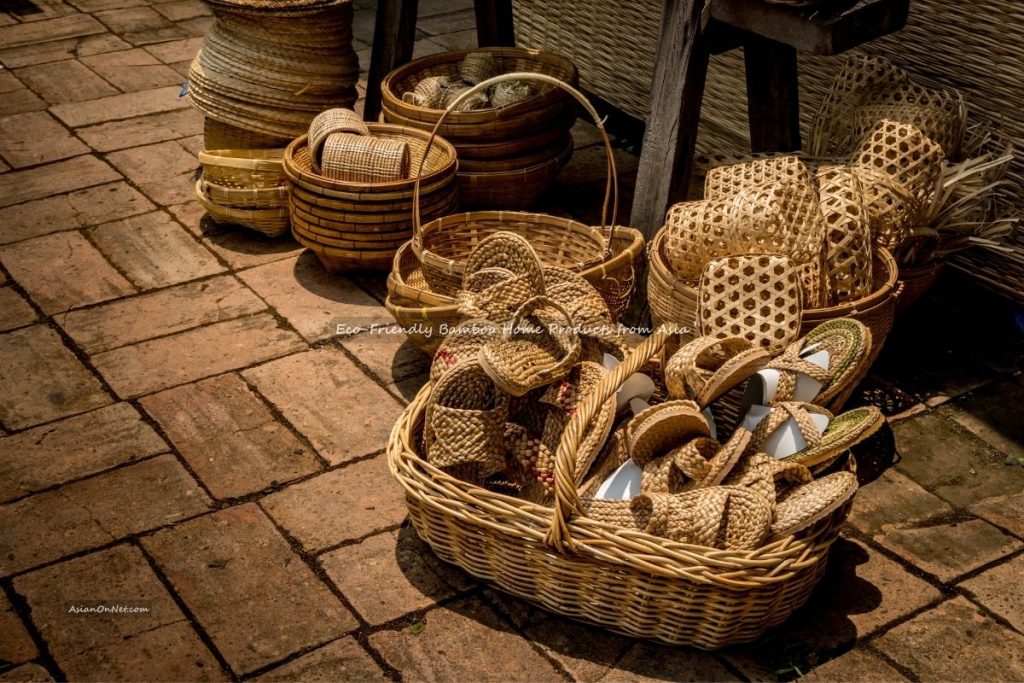
From nesting stools to modular shelving, eco-friendly bamboo home products can be surprisingly minimal and strong. Designers use laminated strips to create smooth, modern forms—or retain rounded culms for a rustic look. Side tables, stackable crates, and shoe racks work especially well in apartments that need flexible, lightweight pieces.
Bath & Laundry
Towel ladders, soap dishes, toothbrush caddies, and hampers made with bamboo frames tidy up small spaces. When combined with woven water hyacinth baskets or rattan trays, you get durable organization that still feels handmade. Even a simple bamboo bench can create a calming, spa-like corner.
Textiles & Soft Goods
While “bamboo fabric” often means rayon derived from bamboo, many brands now prioritize closed-loop processes and blend bamboo-based fibers with organic cotton or linen for breathability. In hot climates, these blends shine as bed sheets, throws, and pillow covers. As with all textiles, check for plant-based dyes and clear chemical disclosures to avoid greenwashing.
Care & Longevity
Bamboo deserves the same respect as hardwood: wipe spills, oil cutting boards, and avoid soaking. With minimal care, eco-friendly bamboo home products endure beautifully, building patina rather than wearing out.
4) Sustainable Asian Brands (Home & Lifestyle) to Know
Beyond single materials, the region is home to a growing constellation of studios and cooperatives translating heritage into daily essentials. When people search for sustainable Asian brands, they’re often after more than a label—they want stories, standards, and substance. Here’s what to look for as you explore sustainable Asian brands (home & lifestyle) across the map:
- Transparent sourcing: Do they publish material origins and artisan partnerships?
- Certifications & audits: Fair trade, organic cotton, or third-party social compliance checks.
- Low-impact processes: Plant-based dyes, water recycling, and waste-minimizing patterns.
- Circularity: Repair programs, take-back schemes, and upcycling of offcuts into small goods.
- Design integrity: Pieces that are repairable, modular, or multi-use—form serving function.
In practice, sustainable Asian brands often combine artisan-made goods with modern quality control: woven baskets reinforced with fabric liners, rattan frames stabilized with discreet joinery, or bamboo furniture finished with non-toxic varnish. The best sustainable Asian brands tell you who made the item and why a certain material was chosen—jute for strength, rattan for flex, banana fiber for texture, or linen for cool comfort. That transparency helps you buy once, buy well, and cherish items that support livelihoods as much as your home’s style.
5) Country Snapshots: Handicrafts Across Asia
Asia isn’t a monolith; each locale has its own material strengths and visual language. Use these snapshots as a travel-inspired shopping map that values artisanship over mass sameness.
Thailand
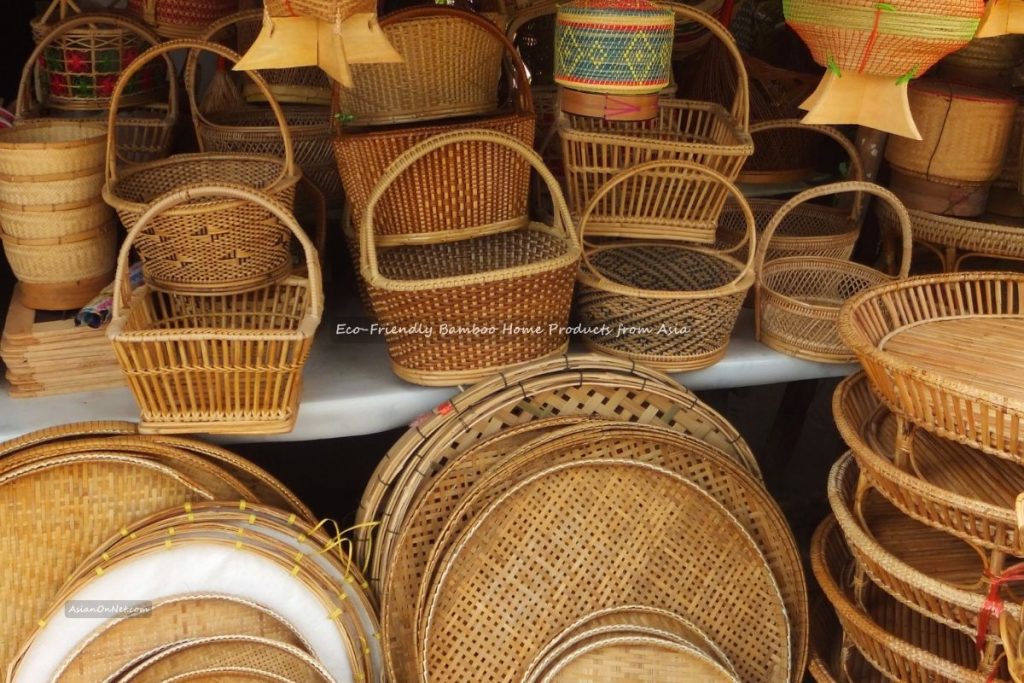
In Thailand, the river’s edge supplies water hyacinth for sturdy, elegant storage. Pair a set of hand-braided baskets with a bamboo towel ladder and you’ll get breathable organization that suits tropical humidity. Organic cotton throws, often dyed with indigo or local plants, bring cool comfort to bedrooms. For small gifts, consider woven placemats, palm-leaf trays, or hand-carved wooden spoons finished in food-safe oils. Thoughtfully chosen eco-friendly bamboo home products also complement Thai minimalist-meets-warm décor schemes.
🛒 “Curious about authentic shopping experiences? Don’t miss our guide on What to Expect at a Traditional Asian Grocery Market.”
Vietnam
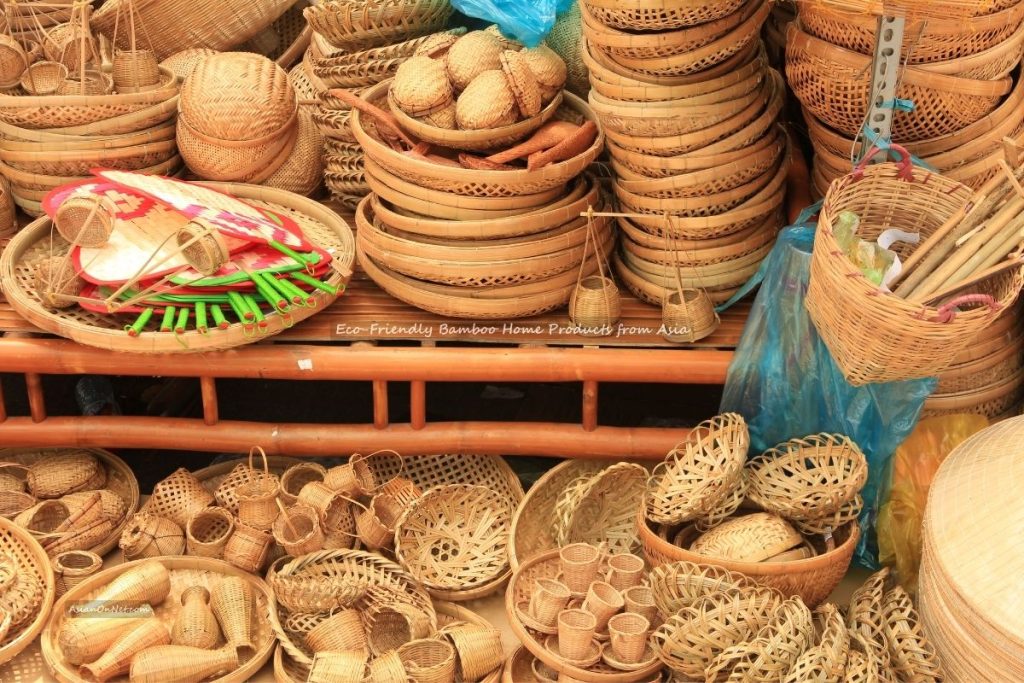
Vietnam’s rattan tradition delivers everything from classic market baskets to modern pendant lamps. Tight weaving and clean edges match contemporary interiors, while natural fibers keep things light. Bamboo furniture built with steam-bent components is common in studios that value repairability. If you’re curating a calm home office, a rattan chair, jute rug, and bamboo side table bring texture without visual clutter—an easy showcase for sustainable Asian brands that care about ergonomics and longevity.
Indonesia
From Bali to Java, artisans work in bamboo, teak, coconut shell, and batik textiles. Small studios excel at upcycled materials: offcut wood becomes patchwork boards; leftover batik cloth becomes quilted coasters. Lampshades woven from bamboo strips cast gentle light, while jute bags in natural tones make great everyday carryalls. In open-plan rooms, partition screens made from bamboo or rattan add privacy without blocking airflow—another smart use of eco-friendly bamboo home products.
India
India’s strengths include hand-loomed khadi cotton, block-printing, and jute. Table runners dyed with plant-based pigments, organic cotton bedding with subtle block-print borders, and robust jute floor baskets blend utility with heritage. Co-ops often run fair trade handicrafts programs that stabilize artisan income and improve working conditions. For gifting, look for ethically sourced handmade items—jute shopping totes, carved spice boxes, or reusable produce bags that nudge households toward low-waste habits.
Japan
Japanese makers are masters of restraint: smooth joinery, modest curves, and natural finishes. Cedar trays, bamboo tea tools, and linen-cotton cloths (tenugui) exemplify purposeful simplicity. Minimalist storage crates, broom-and-dustpan sets with replaceable parts, and lightweight stools echo a design ethos where every object earns its place. When you layer these pieces with eco-friendly bamboo home products, the look is cohesive—quiet, versatile, and timeless.
Across all these places, care practices matter: avoid harsh detergents, sun-dry when possible, and condition wood and bamboo to extend life. That kind of maintenance honors the maker’s time and the material’s origin.
6) The Consumer Shift: Asia-Pacific Market Trends
Shoppers in Asia-Pacific, and globally, are increasingly intentional: they ask about worker well-being, materials, and the afterlife of a product. Search terms like eco-friendly home décor, sustainable tableware, and ethical sourcing have grown alongside interest in handmade gifts and fair trade homeware from the region. Many households now pursue plastic-free swaps—steel lunch boxes with woven sleeves, glass jars in rattan caddies, and refill stations for cleaners and pantry goods.
Policy and infrastructure are also nudging change. Cities pilot waste sorting, refill kiosks expand, and brands adopt extended producer responsibility. Younger consumers favor durable basics over novelty clutter; rental and repair services gain traction; and second-life marketplaces normalize reselling well-kept goods. In this climate, sustainable Asian brands gain advantage when they publish impact reports, detail supply chains, and launch take-back programs that keep materials in use. It’s not just about the first sale; it’s about stewarding an item’s entire journey through repair, reuse, and eventual recycling.
7) Practical Guide: Choosing Authentic Sustainable Handicrafts
Buying ethically shouldn’t feel like homework. Here’s a simple checklist to help you evaluate items before they enter your home.
1) Materials & Fit-for-Purpose
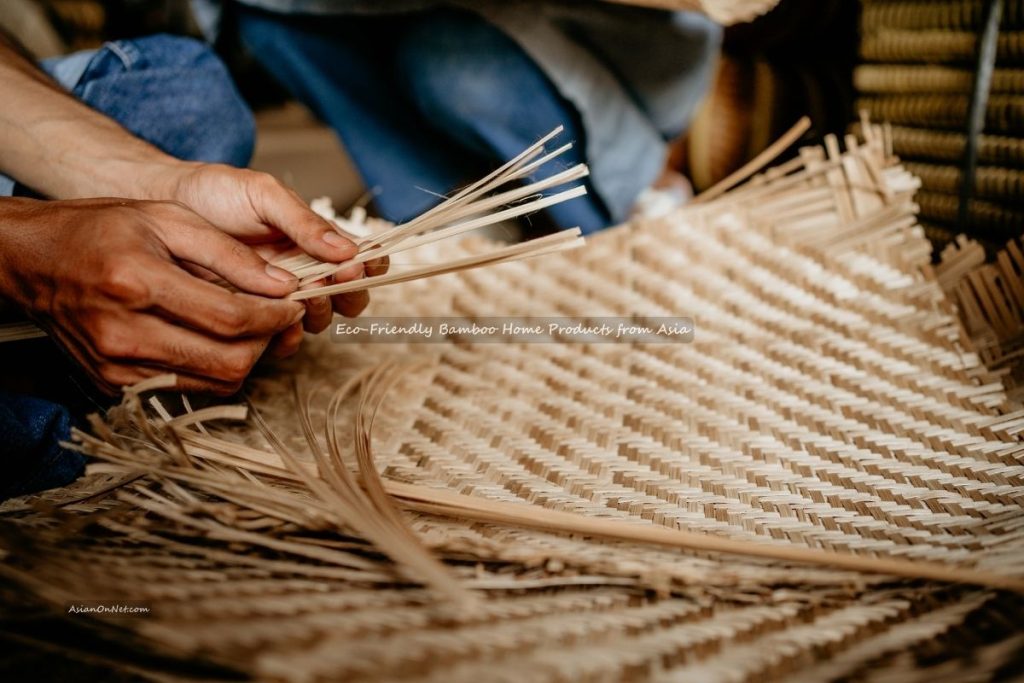
Match material to use. Rattan flexes—great for baskets and chair backs. Bamboo is light and strong—ideal for shelving, trays, and stools. Jute is rugged—perfect for totes and floor baskets. Linen and organic cotton breathe—excellent for bedding and kitchen towels. When you’re curating eco-friendly bamboo home products, confirm that glues and finishes are low-VOC and food-safe for kitchen items.
2) Process & Dyes
Prefer plant-based dyes, water-based varnishes, and closed-loop or low-water textile processes. If a brand claims “natural,” look for details: which plant, which mordant, what wastewater treatment?
3) Social & Environmental Standards
Seek fair trade certifications, cooperative memberships, or authentic community partnerships. These frameworks don’t guarantee perfection, but they indicate intent, structure, and accountability.
4) Repairability & Aftercare
Choose items with spare parts or straightforward fixes—replaceable broom heads, modular furniture, or stitched rather than glued seams. Many sustainable Asian brands now publish care guides and offer repairs; use them.
5) Packaging & Shipping
Ask about plastic-free packaging and consolidated shipping. Reuse cardboard and fabric dust bags as storage liners or gift wrap. For fragile goods, request paper-based cushioning.
6) Price vs. Value
Artisan labor and responsible materials cost more up front but pay off in longevity and uniqueness. Consider total cost of ownership and the satisfaction of buying fewer, better pieces.
7) Curate with Intention
Start with a small set: woven baskets for entryway clutter, a bamboo tray for tea, organic cotton kitchen towels, and a jute tote for errands. As your home evolves, add a statement lamp or bench. A measured approach keeps rooms calm and budgets realistic while integrating eco-friendly bamboo home products seamlessly.
8) Conclusion: Past, Present, Future
Asia’s design story isn’t nostalgia; it’s continuity. Materials like bamboo, rattan, jute, and linen are timeless because they work—cool in hot climates, light yet durable, forgiving in daily use. When legacy skills meet modern safety standards and fair pay, we get goods that respect land and labor equally. As you build rooms you love, let tradition guide form and function, and let innovation sharpen performance. Start with a few trustworthy pieces, read labels with curiosity, and talk to sellers. In doing so, you’ll champion the people behind the objects—and fill your space with items that age with grace. That is the quiet power of choosing eco-friendly bamboo home products as part of a home you’ll be proud to live in.
❓ 5 FAQs with SEO-friendly answers
1. What makes eco-friendly bamboo home products sustainable?
Bamboo grows quickly without pesticides, is durable, and biodegradable. When crafted into furniture, tableware, or textiles, these products reduce reliance on plastics and support ethical sourcing.
2. Which sustainable Asian brands focus on home & lifestyle?
Many sustainable Asian brands (home & lifestyle) highlight fair trade, organic cotton, rattan baskets, and bamboo furniture. Look for transparent sourcing, artisan partnerships, and eco-friendly packaging.
3. Are bamboo items better than plastic for daily use?
Yes. From reusable chopsticks to bamboo toothbrushes, eco-friendly bamboo home products last longer, avoid toxins, and decompose naturally—making them healthier and greener alternatives to single-use plastics.
4. What types of handicrafts can I find across Asia?
You’ll discover rattan baskets in Vietnam, jute bags in India, water hyacinth baskets in Thailand, and linen textiles in Japan—all artisan-made, fair trade handicrafts that combine heritage and sustainability.
5. How can I be sure a product is truly sustainable?
Check for certifications (Fair Trade, organic cotton), natural fibers, and low-VOC finishes. Authentic sustainable Asian brands also share repair guides, support artisan co-ops, and use zero-waste processes.