






- Introduction
- 1) Historical Roots of Family Ideals
- 2) Core Asian Family Values and Traditions
- 3) Parenting and Raising Children with Cultural Wisdom
- 4) Extended and Multigenerational Families: Strength in Numbers
- 5) Work, Money, and the Household Economy
- 6) Women’s Roles, Changing Norms, and Shared Leadership
- 7) Collectivism, Community, and the Public Good
- 8) Practical Takeaways for Families Everywhere
- 9) Country- and Faith-Specific Snapshots (At a Glance)
- 10) Modern Pressures and Resilient Practices
- 11) Family Rituals You Can Start This Month
- 12) What Children Learn First at Home
- 13) For Parents Outside Asia: Adapting Ideas with Respect
- Conclusion: Home as the First Harbor
- Frequently Asked Questions
Introduction
Family sits at the heart of everyday life across Asia. Whether you’re in Bangkok, Beijing, Bengaluru, or Bali, home is more than a place—it’s a living web of care, responsibility, and shared identity. This article explores the importance of family in Asian culture, tracing the ideas that shape daily choices, festivals, and milestones. We’ll also unpack Asian family values and traditions, showing how they continue to guide parenting styles, education, work-life balance, and intergenerational support—even as cities expand and lifestyles change.
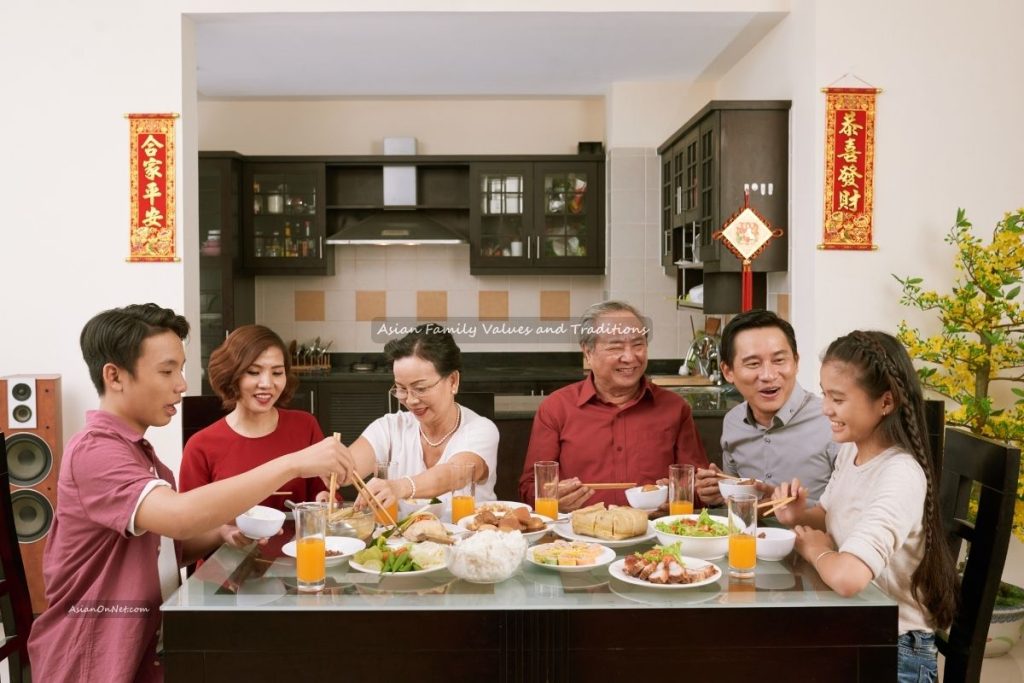
From the first greetings of the day to the last shared meal, Asian households often prioritize harmony, respect for elders, and communal well-being. These values can be seen in rituals like ancestor veneration, in gestures such as the Thai wai, and in concepts like kreng jai (considerate restraint), “saving face,” and collectivism. While Asia is vast and diverse, common threads run through many cultures: a preference for togetherness over isolation, a belief in mutual obligation, and a view of family as society’s first school of moral education. Understanding these threads not only clarifies tradition—it also offers practical insights for modern families everywhere.
🎉 “Want to celebrate Thai culture with your kids? Don’t miss our guide on Family-Friendly Thai Festivals.”
1) Historical Roots of Family Ideals
Long before modern borders, Asian societies developed moral systems that placed the household at the center of social order. Confucian teachings, influential in China, Korea, Vietnam, and beyond, emphasize filial piety—reverence and duty toward parents and ancestors. Buddhist traditions across Southeast and East Asia stress compassion, non-harm, and mindful living within the family. In South Asia, Hindu philosophies highlight dharma (duty) and the responsibilities of each life stage, while Islamic traditions across South and Southeast Asia elevate kinship bonds, charity, and shared responsibilities.
These layered influences led to a deep cultural memory that treats family as a moral institution. In agrarian communities, extended kin living nearby meant pooled resources, labor, and childcare. Elders safeguarded stories and customs, and rituals tied families to place and past. Over time, these foundations evolved into everyday practices that still resonate: respect for elders, deference to family hierarchy, prioritizing education, and an emphasis on character formation. Mentions of Asian family values and traditions in historical records often point to these durable patterns, which continue to guide family life even in today’s high-rise apartments and digital neighborhoods.

The importance of family in Asian culture emerges clearly from this history: social harmony begins at home. When each person fulfills duty with compassion—parent to child, child to parent, sibling to sibling—families thrive, and communities become stable. While modern households may be smaller, the underlying logic of mutual care remains a guiding star.
2) Core Asian Family Values and Traditions
Respect for Elders and Filial Piety
Across Asia, elders are cultural anchors. Filial piety goes beyond obedience; it blends gratitude, practical support, and emotional regard. Adult children often help with medical appointments, finances, and decision-making. Visits during holidays aren’t optional extras but acts of continuity. In many homes, grandparents play an active role in raising children, transmitting stories, language, and etiquette that formal schooling might miss. These living links are central to Asian family values and traditions.
Harmony, “Saving Face,” and Social Rhythm
“Saving face” is not about perfection; it’s about dignity and relational grace. Families manage conflicts quietly to protect bonds. In practice, this means choosing words carefully, thinking of group impact before self-expression, and repairing trust swiftly after misunderstandings. Harmony is pursued not because differences don’t exist, but because preserving relationships has long-term benefits.
Rituals that Shape Belonging
Rituals—big and small—create a family’s heartbeat. Lunar New Year in Chinese communities, Songkran in Thailand, Diwali in India, Eid across Muslim communities, and countless local festivals weave gratitude, remembrance, and joy into the year. Many families maintain ancestor altars, offer seasonal foods, or gather for temple visits. These traditions reinforce the importance of family in Asian culture: they’re not mere performances but shared promises, renewing bonds across generations.
Daily Ties: Meals and Moral Education
Family meals are more than nutrition. They’re forums for storytelling, problem-solving, and moral education—teaching children patience, gratitude, and attentiveness. Parents model respect through tone and body language; children practice service by helping set the table or greeting elders first. This is how Asian family values and traditions become habits: through repetition in daily life.
3) Parenting and Raising Children with Cultural Wisdom
High Expectations with Deep Support
Asian parenting styles are often portrayed as strict, but the fuller picture shows consistency paired with care. Parents communicate clear rules and routines, particularly around schoolwork and household responsibilities, while offering tutoring, mentorship, and emotional encouragement. Education is seen as a family project; success is collective, not individual. Within this frame, the importance of family in Asian culture surfaces in countless micro-moments—reviewing homework together, celebrating small improvements, and guiding children through setbacks.
Grandparents as Co-Educators
In many households, grandparents are daily teammates. They walk children to school, teach proverbs or prayers, and pass on recipes and rituals. This intergenerational design eases childcare costs, reduces parental stress, and gives children multiple role models. It also gives elders purpose, anchoring mental and emotional well-being.
Teaching Respect and Self-Control
Character is taught through practice: offering seats to elders, greeting teachers properly, observing quiet during ceremonies, and contributing to chores. These expectations are not about suppressing individuality; they’re about aligning personal freedom with the common good. In this way, Asian family values and traditions serve as a compass for growing independence—kids learn to express themselves while weighing the ripple effects on siblings, grandparents, and neighbors.
👉 “Want a deeper dive into discipline and education styles? Explore our guide on traditional Asian parenting values across generations.*
4) Extended and Multigenerational Families: Strength in Numbers
Kinship Networks as Social Safety Nets
Extended families—cousins, aunts, uncles—provide backup in crises: illness, job transitions, childcare gaps, or financial hardship. These networks can be more responsive than distant institutions because they are built on trust and familiarity. The importance of family in Asian culture becomes visible in the quiet logistics: a cousin helping with a university application, an aunt lending funds for a small business, siblings coordinating the care of aging parents.

Shared Housing, Shared Responsibilities
Multigenerational households distribute tasks by ability. Younger adults might handle income and transport, while elders manage cooking, storytelling, or childcare. This arrangement isn’t static; it adapts as members’ capacities change. Families hold informal “councils”—sometimes over tea or during weekend meals—where they plan budgets, discuss school choices, or mediate conflicts. Such cooperation is one reason Asian family values and traditions remain resilient amid economic ups and downs.
Celebrations and Rites of Passage
Births, coming-of-age ceremonies, engagements, weddings, and funerals gather the wider clan. These events reaffirm kinship, define responsibilities, and transmit shared meaning. Young people learn not just etiquette but identity: who they are within a lineage and community.
5) Work, Money, and the Household Economy
Family Businesses and Succession
Across Asia, family-run shops and enterprises are common. Parents teach bookkeeping, sourcing, negotiation, and customer care by involving children in age-appropriate ways. Succession is often framed as stewardship—not just inheritance—where the next generation preserves reputation and relationships built over decades.
Remittances and Transnational Ties
When migration enters the picture, families maintain cohesion across borders. Remittances support education, healthcare, and home improvements. Video calls bridge time zones for birthdays or ancestor rites. The importance of family in Asian culture motivates ongoing commitment—even when distance complicates logistics.
Financial Harmony and “Face”
Money discussions can be sensitive because they touch on dignity and interdependence. Many families prefer private conversations to avoid embarrassment. Transparent budgets, shared calendars for expenses, and respectful language help align expectations, ensuring Asian family values and traditions translate into practical cooperation rather than pressure.
6) Women’s Roles, Changing Norms, and Shared Leadership
From Duty to Partnership
As women’s education and professional opportunities expand, families renegotiate roles. Dual-income households coordinate schedules, childcare, and elder care. In healthy transitions, respect for tradition becomes a platform for partnership: elders bless new arrangements, and men share domestic duties more visibly. The importance of family in Asian culture encourages flexibility—families adapt not to abandon values, but to live them more fairly.
Balancing Authority with Empathy
Household leadership historically leaned hierarchical, but many families now blend authority with open dialogue. Parents invite children to express feelings, and elders listen for the heart behind disagreements. This shift honors Asian family values and traditions—like harmony and respect—while making room for psychological safety and modern communication skills.
Education, Careers, and Timing of Milestones
Young adults may delay marriage and parenthood to pursue higher education or build financial stability. Families often support these choices when convinced they serve the long-term strength of the household. The shared goal remains: set the next generation up for character, competence, and contribution.
7) Collectivism, Community, and the Public Good
Family as Society’s First Classroom
In collectivist contexts, the family is where citizens learn to consider others. Children practice patience with siblings, greet neighbors, and participate in community events. These habits scale up: attentive drivers, courteous shoppers, responsible voters. When families value harmony and duty, the public sphere benefits.

“Saving Face” and Conflict Resolution
While “saving face” can be misunderstood, at its best it encourages kindness in disagreement. Families teach children to critique ideas without shaming people, to offer apologies quickly, and to repair relationships before resentment grows. In this way, Asian family values and traditions nurture skills for workplaces, schools, and civic life.
Why the Importance of Family in Asian Culture Endures
City lights may dazzle, but home remains the compass. The importance of family in Asian culture endures because it answers perennial questions: Who am I responsible for? Who will stand with me when plans fail? Where do I go to learn how to live well? The enduring answer—family—keeps cultures cohesive amid rapid change.
8) Practical Takeaways for Families Everywhere
Make Mealtimes a Mini-Ritual
Choose one daily meal to share without screens. Invite elders—if nearby—to tell a short story, or record a voicemail from a grandparent to play at the table. These micro-rituals deepen bonds and model gratitude.
Build a “Care Roster”
Borrow a page from multigenerational households. Create a simple weekly roster: who handles groceries, school pickups, medication reminders, or elder visits. Rotations prevent burnout and reinforce teamwork.

Teach Respect Through Small Gestures
Practice greeting elders first, offering seats on public transport, writing thank-you notes after festivals, and speaking softly during family conflicts. These habits travel with children into classrooms and workplaces.
Blend Tradition with Today
If you live abroad or in a mixed-cultural home, celebrate both heritage and local holidays. Let children cook a festival dish with grandparents on video call. Frame traditions as living, not frozen—adaptable to new schedules, new cities, and new family members.
In sum, Asian family values and traditions offer practical rhythms: slow down for the people who will stand with you for life, honor the wisdom that came before you, and build a home where growth and grace are shared goals.
9) Country- and Faith-Specific Snapshots (At a Glance)
Thailand: Kreng Jai and Community Ease
Respectful restraint—kreng jai—shapes how families ask for help, give feedback, and share space. Grandparents often assist with childcare, while festivals like Songkran renew ties with both joy and reverence.
China & the Chinese Diaspora: Filial Piety and New Horizons
Confucian roots prioritize education, elder care, and ancestor rites. Today, global study and careers broaden horizons, yet the household remains the anchor for guidance and support.
India: Joint Families and Dharma
Joint or closely connected families pool finances and caregiving. Festivals like Diwali strengthen gratitude and continuity, while dharma frames duty as love in action.
Muslim Communities in Southeast and South Asia
Kinship, charity, and modesty guide family life. Eid gatherings knit extended families together, and mutual support structures help households weather economic and health challenges.
Buddhist Households Across Asia
Mindfulness, compassion, and non-harm inform parenting and conflict resolution. Families practice generosity, teach contentment, and honor elders as moral guides.
Each snapshot reflects the importance of family in Asian culture while showcasing the local variations that make Asia richly diverse.
10) Modern Pressures and Resilient Practices
Urbanization and Smaller Homes
High rents and long commutes challenge traditional living arrangements. Families respond creatively: weekly shared meals, rotating sleepovers for cousins, and group chats to coordinate elder appointments. These micro-innovations keep Asian family values and traditions alive in limited space.
Technology as a Bridge
Video calls, family photo sharing, and group calendars enable transnational caregiving. Parents can attend parent-teacher meetings virtually; grandparents can read bedtime stories from afar. Technology, used intentionally, supports the importance of family in Asian culture by preserving presence across distance.
Mental Health and Gentle Communication
Many families are reframing strength—not as silence, but as support seeking. Parents and grandparents model openness about stress or grief, and they encourage counseling when needed. Gentle, face-saving language remains, but it’s paired with honesty and care.
Education Pressures and Balanced Ambition
Academic competitiveness can strain relationships. Families that thrive set humane expectations: effort over perfection, curiosity alongside discipline, rest equal to practice. Ritual breaks—walks after dinner, tech-free weekends—calm the nervous system and honor the whole person.
11) Family Rituals You Can Start This Month
- Ancestor Gratitude Moment: Once a week, share a story about a late grandparent or a family “first,” keeping the memory alive for children.
- Festival Preview Night: Before major holidays, preview the meaning of the event and cook one traditional dish together.
- Care Calendar: Rotate responsibilities so no single person carries the entire load of childcare or elder care.
- Conflict Repair Ritual: After disagreements, reconnect with a set phrase like, “Same team?” followed by a short hug or tea.
- Skill-Sharing Sunday: Elders teach a life skill (budgeting, sewing, a prayer, a proverb); kids teach a tech skill in return.
Each ritual is a small door into Asian family values and traditions, translating ideals into doable, heartfelt practices.
12) What Children Learn First at Home
Children absorb culture from the bottom up—through tone, timing, and touch. The first classroom is the living room: waiting your turn to speak, tidying your space, including a shy cousin in the game. These micro-skills are the building blocks of citizenship. When families reward kindness, perseverance, and honesty, they export those virtues into schools and streets.
Crucially, the importance of family in Asian culture isn’t about stifling voices; it’s about teaching voice with virtue. A confident young person who also listens deeply can navigate diversity with grace. Families that combine warmth with structure tend to raise children who are resilient, respectful, and ready to contribute.
13) For Parents Outside Asia: Adapting Ideas with Respect
If you’re raising children in a non-Asian context, consider adopting principles rather than copying forms. Maybe your home doesn’t have an ancestor altar, but you can still practice gratitude for people who paved the way. Perhaps you don’t celebrate Lunar New Year, but you can honor seasonal transitions with a family gratitude list. The core of Asian family values and traditions—respect, duty, harmony, and shared joy—travels well when localized with sensitivity.
At the same time, maintain healthy boundaries. Respect for elders doesn’t mean tolerating harm; harmony should never excuse abuse or injustice. The goal is mutual flourishing, where each member’s dignity is guarded by the group.
Conclusion: Home as the First Harbor
In a rapidly changing world, family remains a steady light. The importance of family in Asian culture lies in how it links past to future, self to community, and ambition to compassion. Through shared meals, festivals, quiet caregiving, and daily courtesies, households teach the arts of living well. And though cities grow and roles shift, Asian family values and traditions continue to offer a wise blueprint: honor elders, protect dignity, practice generosity, and cultivate harmony that starts at home and ripples outward.
When families choose these paths—patiently, imperfectly, together—they don’t merely preserve culture. They create it, one considerate choice at a time.
Frequently Asked Questions
Q1: Why are grandparents so involved in childcare?
In many communities, elders are trusted co-parents, passing on language, recipes, prayers, and proverbs. This arrangement embodies the importance of family in Asian culture: wisdom flows down, energy flows up, and everyone benefits.
Q2: Is “saving face” unhealthy suppression?
Not inherently. At its best, it’s a call to protect dignity during conflict—address issues privately, use gentle words, and repair quickly. Integrated with honest communication, it strengthens bonds within Asian family values and traditions.
Q3: How do families balance academics with well-being?
By valuing effort, character, and rest alongside grades. Families schedule downtime, celebrate small wins, and keep open channels with teachers and mentors.
Q4: What if our family is scattered across countries?
Build rhythms around time zones—monthly video dinners, shared photo albums, and coordinated care tasks. Technology can uphold the importance of family in Asian culture even across oceans.
Q5: How can non-Asian families respectfully borrow these ideas?
Translate principles (respect, gratitude, duty, harmony) into your own idiom. Ask elders for stories, create mealtime rituals, and teach children to weigh personal choices against community impact.