







- Introduction
- Why Food And Drink Are Important In Asian Travel
- Understanding Asia’s Food Diversity
- Street Food In Asia
- Night Markets
- Food Courts
- Local Restaurants
- Traditional Drinks In Asia
- Tea Culture
- Coffee Culture
- Rice Dishes
- Noodle Dishes
- Soups And Broths
- Curries And Spiced Dishes
- Seafood
- Vegetarian And Vegan Options
- Food Allergies And Dietary Needs
- Food Safety Basics
- Water Safety
- Eating With Chopsticks
- Eating With Hands
- Dining Etiquette
- Ordering Food With Confidence
- Trying New Foods Slowly
- Traditional Desserts
- Fruit In Asia
- Spicy Food Tips
- Drinks To Be Careful With
- Markets And Food Shopping
- Cooking Classes
- Food Tours
- Budget Tips
- Common Mistakes To Avoid
- Simple Food Travel Checklist
- How To Enjoy Food More Mindfully
- Conclusion
- FAQ
- What Is The Best Way To Try New Foods In Asia?
- Why Is A Guide To Food And Drink In Asia Useful?
- Can I Drink Tap Water In Asia?
- What Traditional Drinks Should I Try In Asia?
- How Do I Know What Is Safe To Eat?
- Can I Use Credit Cards At Restaurants In Asia?
- Is Street Food In Asia Safe?
- What Should I Do If I Have Food Allergies?
- Are Vegetarian Options Easy To Find In Asia?
- What Is The Best Way To Learn About Local Food Culture?
Introduction
Asia is one of the most exciting regions in the world for food and drink. From street noodles and rice dishes to tea, tropical fruit, curries, dumplings, soups, grilled snacks, desserts, and local drinks, every country has its own flavours and traditions.
A good Guide To Food And Drink In Asia should help visitors enjoy the experience without feeling overwhelmed. Food in Asia can be simple, bold, spicy, mild, sweet, sour, salty, smoky, fresh, or comforting. It can be served in night markets, family restaurants, food courts, cafés, street stalls, homes, temples, festivals, and fine dining restaurants.
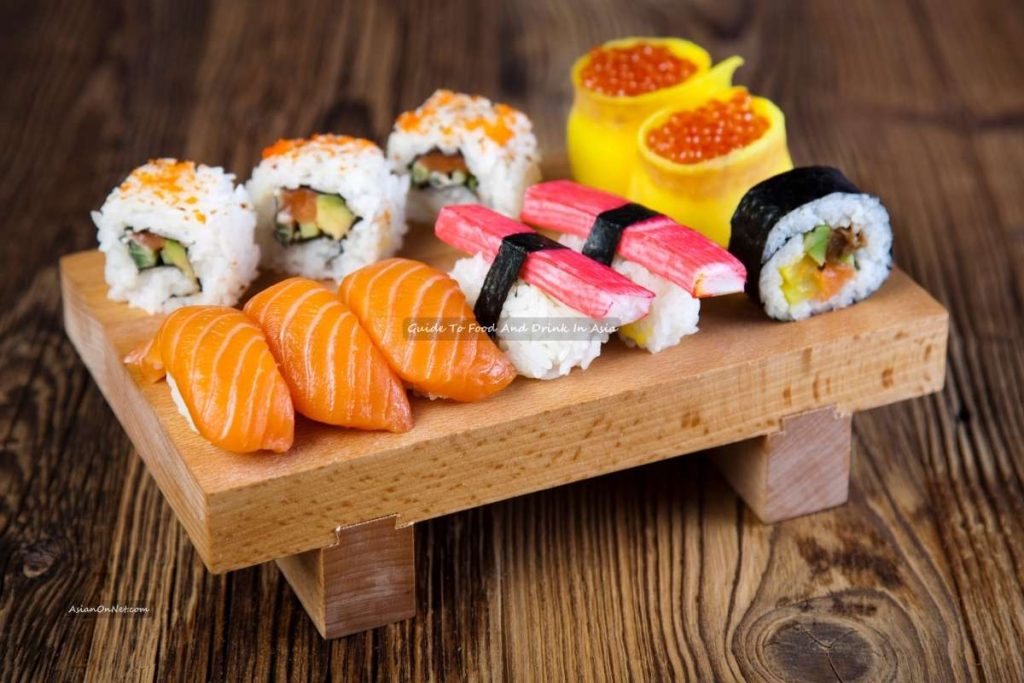
This guide gives practical tips for trying food and drink in Asia, choosing safe options, understanding basic etiquette, ordering with confidence, and enjoying local flavours respectfully.
👉 “Readers learning about food and drink in Asia may also enjoy this simple guide to Thai Food Culture For First-Time Visitors.”
Why Food And Drink Are Important In Asian Travel
Food is one of the easiest ways to understand daily life in Asia. A simple bowl of noodles, a cup of tea, a plate of rice, or a street snack can tell visitors a lot about local culture, climate, history, religion, agriculture, and family traditions.
A Guide To Food And Drink In Asia is useful because food habits vary widely across the region. What feels normal in one country may be different in another.
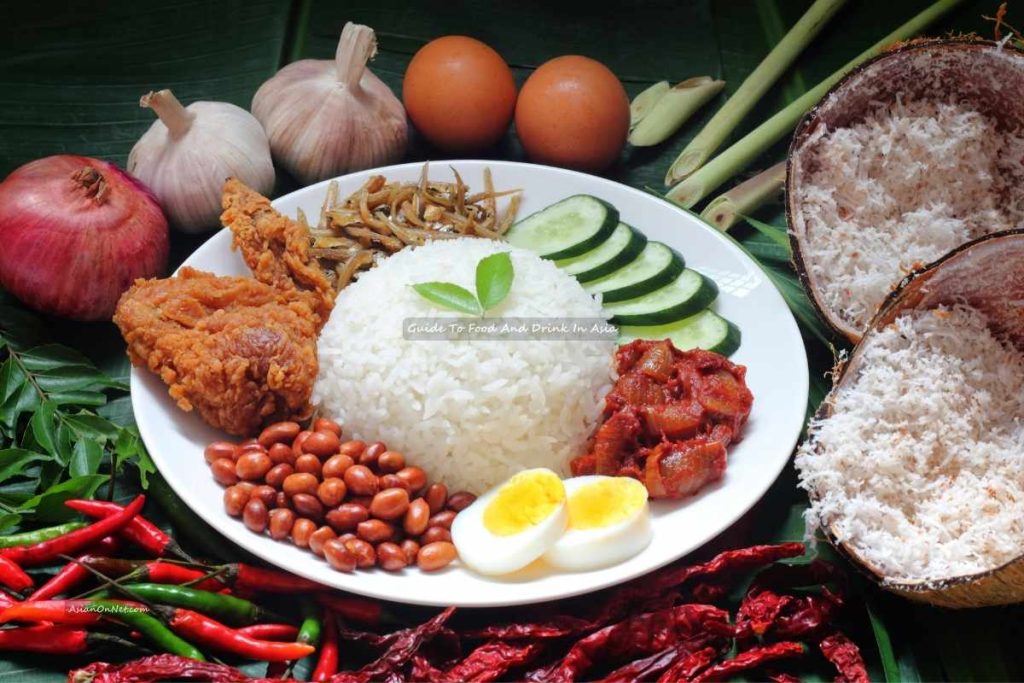
Food and drink can help visitors experience:
- Local markets
- Family recipes
- Regional ingredients
- Street food culture
- Tea traditions
- Rice and noodle dishes
- Seasonal fruit
- Religious food customs
- Festival snacks
- Traditional sweets
- Coastal seafood
- Mountain herbs
- Local hospitality
Eating and drinking in Asia is not only about taste. It is also about connection.
Understanding Asia’s Food Diversity
Asia is large and diverse, so there is no single “Asian food.” Each region has its own flavours, cooking styles, ingredients, and dining customs.
Some countries are known for rice-based meals. Others use more noodles, bread, dumplings, or flatbreads. Some cuisines are spicy, while others are mild and delicate. Some places use chopsticks often, while others use spoons, forks, hands, or shared serving utensils.
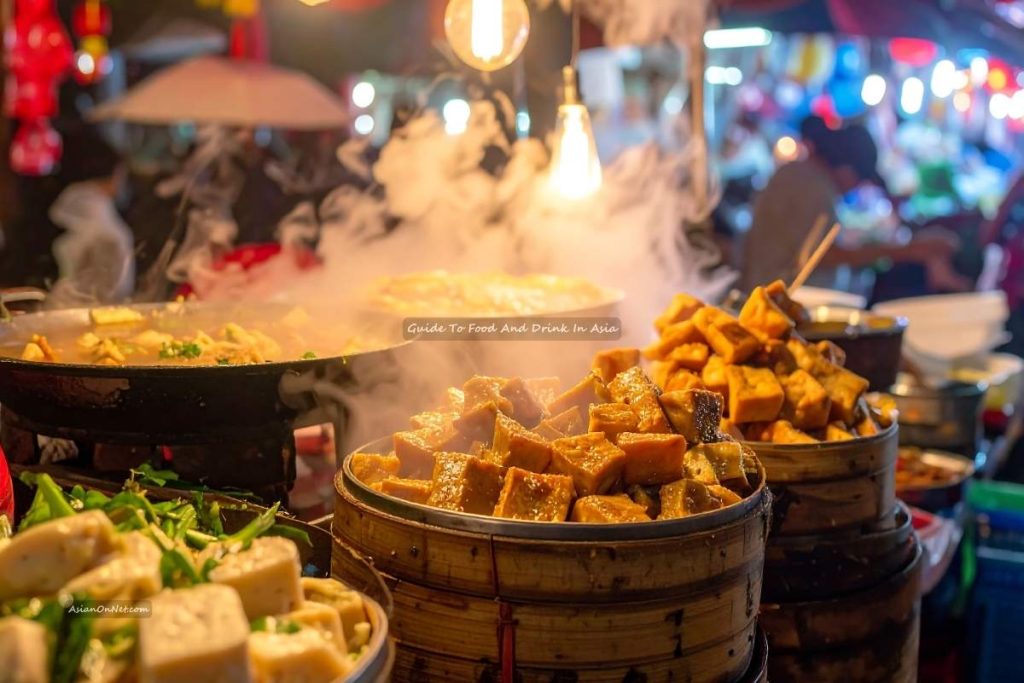
A practical Guide To Food And Drink In Asia should always remind travellers to avoid generalising. Thai food, Japanese food, Indian food, Korean food, Vietnamese food, Chinese food, Indonesian food, Malaysian food, Filipino food, and many other cuisines are all different.
The best approach is to stay curious and learn country by country.
Street Food In Asia
Street food is one of the most enjoyable parts of travelling in Asia. It can be affordable, fresh, quick, and full of local character.
Street food may include:
- Noodles
- Dumplings
- Rice dishes
- Grilled meat
- Seafood
- Soups
- Pancakes
- Fruit
- Tea
- Coffee
- Fried snacks
- Sweet desserts
- Skewers
- Buns
- Local drinks
Street food is often cooked in front of you, which makes it easier to see how fresh and hot the food is.
For beginners, street food is best approached slowly. Try simple dishes first, watch where locals eat, and choose busy stalls with steady turnover.
Night Markets
Night markets are popular in many Asian cities. They combine food, drinks, shopping, music, snacks, desserts, and local atmosphere.
At night markets, visitors may find:
- Grilled seafood
- Skewers
- Fried snacks
- Noodle stalls
- Fruit shakes
- Bubble tea
- Local desserts
- Souvenir snacks
- Small restaurants
- Shared tables
- Street performances
- Local products
A night market can be a good place to try several small dishes instead of one large meal.
Bring small cash, keep valuables secure, and walk slowly. Popular markets can be crowded.
Food Courts
Food courts are useful for beginners because they often offer many local dishes in one place. They are common in malls, transport hubs, universities, office areas, and shopping centres.
Food courts can be helpful because they may have:
- Clear prices
- Pictures
- Multiple stalls
- Air-conditioning
- Toilets nearby
- Seating
- Drinks
- Desserts
- Family-friendly options
- Easier payment systems
A food court is a comfortable place to explore local food without the pressure of a formal restaurant or busy street stall.
Local Restaurants
Local restaurants are often where visitors find satisfying everyday meals. They may be simple, family-run, busy, and focused on a few dishes done well.
When choosing a local restaurant, look for:
- Clean tables
- Good food turnover
- Fresh-looking ingredients
- Local customers
- Clear menu or pictures
- Staff who can answer basic questions
- Food cooked hot
- Reasonable crowd levels
- Comfortable atmosphere
Do not judge only by decoration. Some simple restaurants serve excellent food.
A Guide To Food And Drink In Asia should encourage travellers to try local restaurants, not only tourist restaurants.
Traditional Drinks In Asia
Drinks are an important part of food culture in Asia. Many countries have strong tea, coffee, herbal drinks, fruit drinks, fermented drinks, milk teas, and fresh juices.
Traditional drinks may include:
- Green tea
- Black tea
- Jasmine tea
- Oolong tea
- Milk tea
- Iced coffee
- Herbal tea
- Coconut water
- Sugarcane juice
- Soy milk
- Rice drinks
- Fruit shakes
- Yogurt drinks
- Local soft drinks
Some drinks are sweet by default, especially iced tea, coffee, and fruit drinks. If you prefer less sugar, ask before ordering where possible.
Tea Culture
Tea is deeply connected to daily life in many Asian countries. It may be served in homes, restaurants, markets, ceremonies, teahouses, and casual cafés.
Tea can be:
- Hot
- Iced
- Plain
- Sweetened
- Milk-based
- Herbal
- Ceremonial
- Everyday
- Served with meals
- Served after meals
Tea culture differs by country. In some places, tea is simple and daily. In others, it has formal rituals and deep cultural meaning.
Try tea slowly and notice how it is served.
Coffee Culture
Coffee culture is strong in many parts of Asia. Visitors may find traditional coffee stalls, modern cafés, iced coffee, sweet milk coffee, strong black coffee, and local brewing styles.
Coffee may be served:
- Hot
- Iced
- With condensed milk
- With fresh milk
- With sugar
- Strong and dark
- Light and modern
- In cafés
- At street stalls
- In food courts
- With breakfast
Coffee can be quite sweet in some places. Ask for less sugar if needed.
Rice Dishes
Rice is a daily staple in many Asian countries. It may be steamed, fried, sticky, flavoured, wrapped, pressed, or served with curries, grilled foods, soups, vegetables, and sauces.
Common rice-based meals include:
- Fried rice
- Rice with curry
- Rice bowls
- Chicken rice
- Sticky rice
- Rice porridge
- Rice with grilled meat
- Rice with seafood
- Rice paper dishes
- Rice cakes
- Rice desserts
Rice dishes are often beginner-friendly because they are familiar, filling, and easy to order.
Noodle Dishes
Noodles are another important part of food and drink culture in Asia. They may be served dry, fried, in soup, cold, spicy, mild, handmade, thin, thick, chewy, or soft.
Noodle dishes may include:
- Soup noodles
- Fried noodles
- Cold noodles
- Rice noodles
- Egg noodles
- Glass noodles
- Wheat noodles
- Spicy noodles
- Seafood noodles
- Beef noodles
- Vegetarian noodles
Noodle shops are often casual and fast. They are good places to try local flavours without spending too much.
Soups And Broths
Soups are common across Asia and can be light, spicy, sour, herbal, creamy, clear, rich, or slow-cooked.
Soup dishes may include:
- Noodle soup
- Herbal soup
- Seafood soup
- Chicken soup
- Curry soup
- Sour soup
- Coconut soup
- Dumpling soup
- Rice porridge
- Hot pot broth
Soups can be comforting for travellers, especially after long travel days.
If you are sensitive to spice, ask before ordering.
Curries And Spiced Dishes
Many Asian cuisines use spices, pastes, herbs, and sauces to create rich flavours. Curries and spiced dishes vary widely by country and region.
They may be:
- Coconut-based
- Tomato-based
- Dry
- Saucy
- Mild
- Spicy
- Sweet
- Sour
- Savoury
- Served with rice
- Served with bread
- Served with noodles
For beginners, start with milder dishes and increase spice gradually.
A good Guide To Food And Drink In Asia should help travellers enjoy flavour without assuming everything is spicy.
Seafood
Many Asian countries have strong seafood traditions, especially coastal and island regions.
Seafood may include:
- Grilled fish
- Steamed fish
- Prawns
- Crab
- Squid
- Shellfish
- Seafood soup
- Seafood noodles
- Fish curry
- Fried seafood
- Seafood rice dishes
Choose seafood carefully. Look for busy restaurants, fresh display areas, good cooking practices, and food served hot.
If you have seafood allergies, carry a translated allergy note.
Vegetarian And Vegan Options
Vegetarian and vegan travel in Asia can be easy in some places and more challenging in others. Many cuisines include vegetables, tofu, noodles, rice, beans, lentils, herbs, and fruit. However, sauces, broths, shrimp paste, fish sauce, eggs, dairy, or meat stock may be hidden in dishes.
Vegetarian travellers should learn key phrases or carry a translation card.
Useful strategies include:
- Ask about fish sauce or shrimp paste
- Choose vegetarian restaurants when available
- Visit temples or vegetarian food areas
- Use translation apps
- Look for tofu dishes
- Order simple rice and vegetable meals
- Check soups and sauces
- Ask before assuming
Vegan travellers should be especially careful with sauces and broths.
Food Allergies And Dietary Needs
Visitors with food allergies should be cautious. Ingredients can be hidden in sauces, pastes, oils, broths, toppings, and garnishes.
Before travelling, prepare:
- Allergy card in the local language
- English allergy card
- Emergency medication if prescribed
- Travel insurance details
- Restaurant explanation phrases
- Safe food list
- Translation app
- Hotel address
- Local hospital information
Do not rely only on memory or pronunciation if the allergy is serious.
A Guide To Food And Drink In Asia should always treat allergies seriously.
Food Safety Basics
Most travellers want to enjoy local food without worry. Food safety habits can help.
Simple tips include:
- Choose busy food stalls
- Look for high turnover
- Eat food cooked fresh and hot
- Be careful with raw seafood
- Be cautious with unwashed salads
- Use bottled or filtered water where needed
- Wash hands or use sanitiser
- Avoid food that looks old or uncovered
- Trust your senses
- Ask locals for recommendations
- Start slowly with unfamiliar foods
Food safety conditions vary by country, city, and restaurant, so use common sense.
Water Safety
Tap water safety varies widely across Asia. In many places, visitors choose bottled, filtered, or properly treated water to avoid stomach problems.
Practical water tips:
- Drink bottled or filtered water if unsure
- Check bottle seals
- Use safe water for brushing teeth if needed
- Be careful with ice in uncertain places
- Choose busy cafés or restaurants
- Ask your hotel about local water safety
- Carry water during hot days
Do not assume the same rule applies everywhere. Check local guidance for your destination.
Eating With Chopsticks
Chopsticks are used in many Asian countries, but not everywhere and not for every dish. Some places use spoons and forks. Some use hands. Some use chopsticks mainly for noodles or shared dishes.
Basic chopstick etiquette:
- Do not stick chopsticks upright in rice
- Do not point with chopsticks
- Do not wave them around
- Do not use them to move plates
- Place them neatly when not using them
- Use serving utensils for shared dishes when provided
If you are not comfortable with chopsticks, it is usually fine to ask for a spoon or fork.
Eating With Hands
In some parts of Asia, eating with the hand is common for certain meals. This is usually done with the right hand.
If eating with hands:
- Wash hands before eating
- Use the right hand where culturally expected
- Follow local behaviour
- Avoid making a mess
- Use utensils if unsure
- Accept help or guidance politely
Do not assume hand-eating is informal or careless. In many cultures, it is part of proper dining tradition.
Dining Etiquette
Dining etiquette differs across Asia, but some general habits are useful.
Helpful etiquette tips include:
- Observe before acting
- Wait to see how food is shared
- Use serving spoons when provided
- Do not waste food unnecessarily
- Speak politely to staff
- Avoid loud complaints
- Respect religious food customs
- Ask before photographing people or kitchens
- Be careful with chopstick placement
- Learn simple greetings and thank you
- Follow host behaviour if invited to a meal
A Guide To Food And Drink In Asia should make visitors more aware, not anxious. If you make a small mistake, apologise politely and learn.
Ordering Food With Confidence
Ordering food can feel difficult when menus are unfamiliar. Simple strategies help.
Try these methods:
- Point to menu pictures
- Ask for recommendations
- Order dishes you see others eating
- Use translation apps
- Learn basic food words
- Start with one dish and add more later
- Ask about spice level
- Use small portions to explore
- Choose popular dishes
- Visit food courts first
Do not worry if you cannot pronounce everything perfectly. A friendly tone helps.
Trying New Foods Slowly
It is tempting to try everything at once, but beginners should move gradually.
A simple approach:
- Start with cooked dishes
- Try one new flavour at a time
- Share dishes with others
- Avoid too much spice at first
- Drink safe water
- Take breaks between rich meals
- Balance street food with lighter meals
- Notice how your body responds
Food travel should be enjoyable, not stressful.
Traditional Desserts
Asian desserts can be very different from Western desserts. They may use rice, coconut milk, beans, sesame, fruit, jelly, tea, shaved ice, palm sugar, or sticky rice.
Desserts may be:
- Warm
- Cold
- Sweet soups
- Rice-based
- Fruit-based
- Coconut-based
- Tea-flavoured
- Jelly-based
- Fried
- Steamed
Trying desserts is a fun way to explore local culture because many sweets are connected to festivals, seasons, and family traditions.
Fruit In Asia
Asia has many tropical and seasonal fruits. Fruit can be found in markets, supermarkets, street stalls, hotel breakfasts, and dessert shops.
Popular fruits may include:
- Mango
- Banana
- Papaya
- Pineapple
- Dragon fruit
- Lychee
- Rambutan
- Mangosteen
- Longan
- Jackfruit
- Durian
- Guava
- Coconut
Fruit is refreshing in hot climates, but choose clean, freshly prepared fruit from reliable vendors.
Spicy Food Tips
Some Asian food is spicy, but not all of it. Spice levels vary by country, region, dish, and cook.
If you are sensitive to spice:
- Ask for mild food
- Avoid visible fresh chilies
- Start with small portions
- Choose rice or noodle dishes
- Keep water nearby
- Try coconut-based dishes
- Avoid adding extra chili sauce
- Ask locals for non-spicy options
- Use translation cards
Remember that “mild” can mean different things in different places.
Drinks To Be Careful With
Some drinks may be sweet, strong, caffeinated, or unfamiliar.
Be careful with:
- Very sweet iced drinks
- Strong coffee
- Unknown herbal drinks
- Unsealed bottled drinks
- Alcohol in hot weather
- Drinks with uncertain ice
- Drinks with ingredients you are allergic to
- Very high-caffeine teas
Try new drinks slowly, especially in hot weather or if you are sensitive to caffeine.
Markets And Food Shopping
Food markets are good places to learn about ingredients and daily life.
At markets, you may see:
- Fresh herbs
- Spices
- Rice
- Noodles
- Fish
- Meat
- Vegetables
- Fruit
- Sauces
- Tea
- Snacks
- Sweets
- Pickles
- Dried foods
Markets can be busy, so walk slowly, avoid blocking stalls, ask before taking close photos, and keep valuables secure.
Cooking Classes
Cooking classes are a useful way to understand local food more deeply. Many classes include market visits, ingredient explanations, cooking practice, and shared meals.
A cooking class can help you learn:
- Local ingredients
- Basic cooking techniques
- Sauce balance
- Spice control
- Food customs
- Meal structure
- Home-style recipes
- Regional differences
Choose classes with good reviews, clear hygiene practices, and small enough groups for hands-on learning.
Food Tours
Food tours can help visitors explore safely and confidently, especially in cities with many food options.
A good food tour may include:
- Local guide
- Street food stops
- Market visits
- Cultural explanations
- Small tastings
- Historical background
- Drink stops
- Food safety guidance
- Hidden local places
Food tours are especially helpful for first-time visitors who want local context.
Budget Tips
Food in Asia can range from very affordable to luxury dining.
Budget-friendly choices may include:
- Street food
- Food courts
- Local restaurants
- Markets
- Set meals
- Rice dishes
- Noodle shops
- Bakeries
- Local drinks
- Shared meals
Higher-cost options may include:
- Fine dining
- Hotel restaurants
- Imported foods
- Tourist-area restaurants
- Seafood restaurants
- Rooftop venues
- Special tasting menus
A balanced food trip can include both simple local meals and one or two special dining experiences.
Common Mistakes To Avoid
Trying Too Much Too Fast
New spices, sauces, and ingredients can be exciting, but your stomach may need time to adjust.
Ignoring Food Safety
Choose busy places, hot cooked food, and safe water when unsure.
Assuming All Asian Food Is Spicy
Many dishes are mild, sweet, savoury, sour, or herbal rather than spicy.
Forgetting Dietary Needs
If you have allergies or restrictions, carry translated notes.
Drinking Tap Water Without Checking
Water safety varies by destination.
Being Disrespectful With Photos
Ask before photographing vendors, kitchens, or people eating.
Only Eating In Tourist Areas
Tourist restaurants can be convenient, but local restaurants and markets often offer richer experiences.
Simple Food Travel Checklist
Before exploring food and drink in Asia, prepare:
- Local food words
- Allergy card if needed
- Bottled or filtered water plan
- Small cash
- Translation app
- Hand sanitiser
- Food safety awareness
- Local recommendations
- List of dishes to try
- Basic etiquette knowledge
- Flexible attitude
This checklist supports a smoother food experience.
How To Enjoy Food More Mindfully
Food travel is more meaningful when you slow down.
Try to notice:
- Ingredients
- Cooking sounds
- Aromas
- Textures
- Serving style
- Local eating habits
- Meal timing
- Condiments
- Drinks served with meals
- How people share dishes
- How food connects to place
A Guide To Food And Drink In Asia should help visitors taste, observe, and respect the culture behind each meal.
👉 “Readers learning about food and drink in Asia may also enjoy this practical guide to Practical Guide To Local Street Food In Asia.”
Conclusion
A simple Guide To Food And Drink In Asia can help visitors enjoy the region’s rich food culture with more confidence. Asia offers street food, night markets, rice dishes, noodles, soups, curries, seafood, tea, coffee, fruit, desserts, and countless regional specialities.
The best way to explore is to start slowly, choose busy and clean places, ask locals for recommendations, respect dining customs, and stay aware of food and water safety. Visitors with allergies or dietary needs should prepare translated notes and ask carefully before eating.
Food and drink are not only travel extras. They are part of daily life, history, family, religion, climate, and identity across Asia.
With curiosity, respect, and practical planning, this Guide To Food And Drink In Asia can help travellers enjoy memorable meals and meaningful cultural experiences.
FAQ
What Is The Best Way To Try New Foods In Asia?
Start with small portions, choose busy stalls or restaurants, ask locals for recommendations, and try one new dish at a time.
Why Is A Guide To Food And Drink In Asia Useful?
A Guide To Food And Drink In Asia helps travellers understand street food, drinks, dining etiquette, food safety, local dishes, and cultural food habits across the region.
Can I Drink Tap Water In Asia?
Tap water safety varies by country and city. If unsure, drink bottled, filtered, or properly treated water and check local guidance.
What Traditional Drinks Should I Try In Asia?
Traditional drinks may include green tea, jasmine tea, milk tea, iced coffee, herbal drinks, coconut water, sugarcane juice, soy milk, and local fruit drinks.
How Do I Know What Is Safe To Eat?
Choose busy places with high turnover, eat food cooked fresh and hot, avoid food that looks old or uncovered, and be careful with raw or undercooked items.
Can I Use Credit Cards At Restaurants In Asia?
Many restaurants in cities and tourist areas accept cards, but small local restaurants, markets, and street food stalls may prefer cash.
Is Street Food In Asia Safe?
Street food can be safe and enjoyable when you choose busy stalls, fresh cooking, clean handling, and dishes served hot.
What Should I Do If I Have Food Allergies?
Carry a translated allergy card, ask about ingredients, avoid unclear sauces or broths, and choose restaurants that can communicate clearly.
Are Vegetarian Options Easy To Find In Asia?
Vegetarian options are available in many places, but hidden ingredients such as fish sauce, shrimp paste, broth, or eggs may be used. Ask carefully.
What Is The Best Way To Learn About Local Food Culture?
Visit markets, take a cooking class, join a food tour, ask locals for recommendations, and read about regional dishes before travelling.