







- Introduction
- Why Street Food Matters Across Asia
- Different Types Of Asian Street-Food Settings
- Traditional Street Stalls
- Night Markets
- Hawker Centres
- Morning And Fresh Markets
- Transport Areas
- Food Streets And Market Districts
- How To Find A Good Street-Food Stall
- Observe Before You Order
- Start With Familiar Cooking Methods
- Learn A Few Useful Food Words
- Pointing Is Usually Acceptable
- Ask About Spice Levels
- Carry Small Notes And Coins
- Respect Queues And Local Routines
- Share Several Small Dishes
- Thai Street Food
- Vietnamese Street Food
- Malaysian Street Food
- Singaporean Hawker Food
- Indonesian Street Food
- Japanese Street Food
- Korean Street Food
- Chinese Street-Food Traditions
- Taiwanese Night-Market Food
- South Asian Street Food
- Central Asian Street Food
- Food Safety Without Unnecessary Fear
- Be Careful With Raw And Pre-Cut Foods
- Managing Food Allergies
- Vegetarian And Vegan Eating
- Avoid Treating Street Food As A Challenge
- Ask Before Photographing
- Reduce Waste Where Possible
- Support Local Vendors Respectfully
- How To Plan A Street-Food Evening
- Common Mistakes To Avoid
- Enjoy The Experience Slowly
- Conclusion
- FAQ
- What Is The Best Way To Explore Local Street Food In Asia?
- Is Asian Street Food Safe To Eat?
- Which Country Has The Best Street Food In Asia?
- How Do I Order When I Do Not Speak The Language?
- Should I Choose The Busiest Stall?
- Can Vegetarians Find Street Food In Asia?
- How Can I Manage A Food Allergy?
- Is It Acceptable To Photograph Street-Food Vendors?
- Should I Bargain Over Street-Food Prices?
- What Should I Bring To A Night Market?
Introduction
Street food is one of the most accessible ways to experience the flavours, routines, and social character of a destination. Across Asia, vendors prepare noodles, rice dishes, dumplings, grilled meats, soups, breads, desserts, drinks, and seasonal snacks in markets, shopping areas, transport hubs, and neighbourhood streets.
Exploring Local Street Food In Asia is not only about finding inexpensive meals. It can offer a closer look at how people eat, which ingredients are valued, and how recipes change between countries, cities, and even nearby districts.
For first-time visitors, busy food markets can feel confusing. Menus may not be written in English, queues may move quickly, and unfamiliar ingredients can make ordering difficult. A few practical habits can make the experience more comfortable.
This guide explains how to find appealing food stalls, understand local customs, order with confidence, recognise regional specialties, and make sensible food-safety choices.
Why Street Food Matters Across Asia
Street food is closely connected with everyday life in many Asian communities. Vendors often specialise in one dish or a small group of related dishes, preparing them repeatedly throughout the day.
This specialisation can create remarkable consistency. A stall may become known for a particular noodle soup, dumpling filling, grilled skewer, rice dish, or traditional sweet.
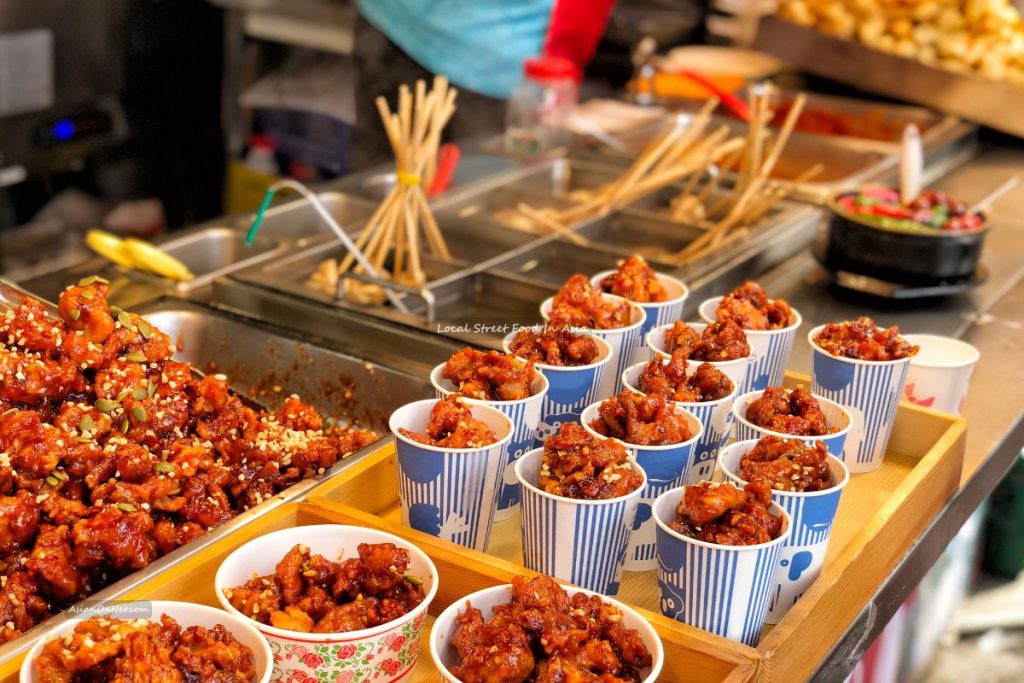
Local Street Food In Asia also reflects geography and climate. Coastal areas may feature seafood, while agricultural regions may use local rice, vegetables, herbs, or fruit. Religious traditions, migration, colonial history, and trade routes have also influenced regional recipes.
Street food can therefore reveal much more than what people enjoy eating. It may reflect:
- Local ingredients
- Family recipes
- Seasonal traditions
- Religious customs
- Regional cooking methods
- Migration and cultural exchange
- Daily working routines
- Community gathering habits
Not every street dish is ancient or traditional. New foods, international influences, and social-media trends also shape modern markets.
👉 “Readers interested in traditional Thai soup variations may also enjoy this video about Thai Tom Yum soup with fish eggs.”
Different Types Of Asian Street-Food Settings
Street food is sold in many different environments. Understanding the setting can help you know what to expect.
Traditional Street Stalls
These are small roadside or pavement-based operations. Some use pushcarts, bicycles, motorbikes, or compact cooking stations.
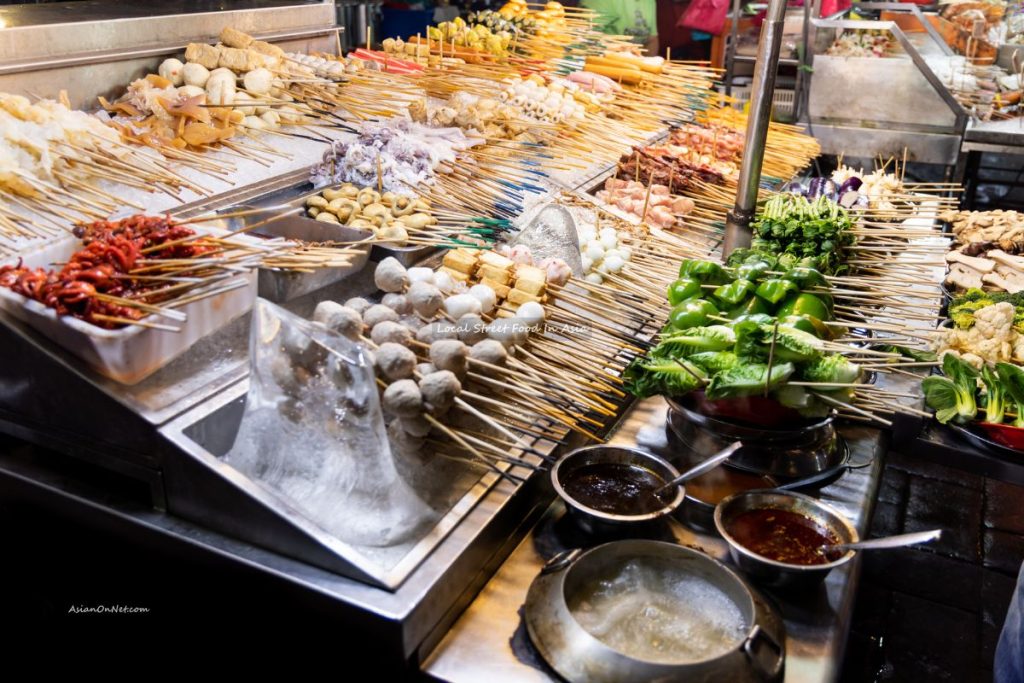
They may serve commuters, local workers, students, or nearby residents. Seating can be limited or unavailable.
Night Markets
Night markets combine food, shopping, and entertainment. They are often ideal for visitors because many dishes are displayed clearly and several vendors operate in one area.
Popular markets may become extremely busy, especially on weekends.
Hawker Centres
Hawker centres bring multiple food stalls together in a shared, organised space with tables and seating. They are especially associated with Singapore and parts of Malaysia, although similar food-court models exist elsewhere.
Each stall may specialise in a different dish, making it easy for a group to try several foods.
Morning And Fresh Markets
Morning markets often serve workers and residents beginning their day. Visitors may find breakfast dishes, fresh produce, cooked meals, snacks, and takeaway foods.
These markets can be quieter than night markets but may start and finish early.
Transport Areas
Train stations, bus terminals, ferry points, and roadside stops often have vendors selling quick meals and portable snacks.
These locations can be convenient, but travellers should leave enough time to order and eat without rushing.
Food Streets And Market Districts
Some cities have entire streets or neighbourhoods known for food. These areas may include permanent restaurants, temporary stalls, cafés, carts, and specialist shops.
They can provide a broad introduction to Local Street Food In Asia in one walkable area.
How To Find A Good Street-Food Stall
A busy stall can be a useful sign, particularly when local customers return regularly. However, popularity is only one factor to consider.
Look for stalls where:
- Food is prepared continuously
- Ingredients appear fresh
- Raw and cooked foods are separated
- Cooking surfaces look reasonably clean
- Utensils are used instead of bare hands where practical
- Customers move through quickly
- Prices are clearly displayed
- Prepared food is protected from dust and insects
- The vendor handles money separately from ready-to-eat food
Long queues may indicate quality, but they can also result from online popularity. Pay attention to how the stall operates rather than relying only on the number of people waiting.
A stall serving one or two dishes may be easier to assess than a stall displaying many foods for long periods.
Observe Before You Order
Spend a few minutes watching how the vendor prepares the food.
Notice whether the dish is:
- Cooked after ordering
- Reheated thoroughly
- Served directly from a hot pan or grill
- Assembled from ingredients stored appropriately
- Left uncovered for a long time
- Frequently handled by different people
Watching other customers can also help you understand the ordering process, portion sizes, available additions, and where payment happens.
This is one of the easiest ways to approach Local Street Food In Asia when language is a barrier.
Start With Familiar Cooking Methods
You do not need to begin with the most unusual dish in the market.
First-time visitors may feel more comfortable choosing food that is:
- Grilled
- Stir-fried
- Steamed
- Boiled
- Baked
- Cooked in a hot broth
- Prepared fresh in front of them
These methods make it easier to see how the dish is prepared and whether it is served hot.
Once you become familiar with the market, you can gradually try more complex dishes and ingredients.
Learn A Few Useful Food Words
Knowing a few words in the local language can make ordering easier and show respect for the people preparing your food.
Useful phrases may include:
- Hello
- Thank you
- How much?
- One, please
- Not spicy
- A little spicy
- No meat
- No seafood
- No peanuts
- Takeaway
- Eat here
Pronunciation does not need to be perfect. Vendors in busy markets are often accustomed to gestures, pointing, translation apps, and simple questions.
Save important allergy phrases on your phone in the local language before visiting the market. Do not rely only on spoken explanations when an allergy could cause a serious reaction.
Pointing Is Usually Acceptable
In many markets, pointing at a displayed dish, ingredient, or another customer’s order is a practical way to communicate.
Be polite and avoid touching food or serving equipment.
You can also show the vendor a photograph of the dish you want. Confirm the quantity with your fingers and check the price before the food is prepared.
When exploring Local Street Food In Asia, simple visual communication is often more effective than trying to explain a long order.
Ask About Spice Levels
“Spicy” can mean different things in different countries and regions. A dish described as mildly spicy may still feel very hot to an unfamiliar visitor.
Ask for:
- No chilli
- Chilli on the side
- A small amount of chilli
- Mild seasoning
Some sauces, curry pastes, broths, and marinades are prepared in advance, so the spice level may not always be adjustable.
Dairy products do not commonly accompany every Asian street dish. Rice, bread, noodles, or a non-spicy side may be more readily available if a dish feels too hot.
Carry Small Notes And Coins
Many traditional stalls accept cash only. Smaller notes make payment easier and reduce the need for vendors to find change during busy periods.
Some markets increasingly accept QR codes, mobile payments, or prepaid cards, but access may depend on a local bank account or payment application.
Keep money organised and easy to reach without displaying large amounts of cash.
Check whether payment is expected before or after eating. At some hawker centres, you pay the individual stall immediately. At other venues, an ordering system may be used.
Respect Queues And Local Routines
Queueing styles vary. Some places have clear lines, while others rely on informal turn-taking or numbered tickets.
Watch local customers before stepping forward.
At a busy stall:
- Decide what you want before reaching the front
- Keep your order simple
- Have payment ready
- Move aside after ordering
- Collect the food promptly
- Return reusable dishes where required
Good market etiquette helps vendors serve everyone efficiently.
Share Several Small Dishes
Trying a range of smaller portions can be more enjoyable than ordering one large meal.
Travelling with friends or family makes it possible to share:
- Dumplings
- Skewers
- Pancakes
- Noodle dishes
- Rice plates
- Fried snacks
- Fruit
- Desserts
Check whether shared eating is appropriate for the dish and setting. Use clean utensils rather than returning a used spoon directly to a communal serving plate.
Sharing also reduces waste when experimenting with unfamiliar flavours.
Thai Street Food
Thailand is known for busy markets, roadside stalls, and food courts serving a wide range of regional dishes.
Common options include:
- Pad kra pao
- Pad Thai
- Khao man gai
- Som tam
- Grilled chicken
- Pork skewers
- Noodle soup
- Mango sticky rice
- Coconut pancakes
- Fresh fruit
Thai dishes may balance salty, sour, sweet, and spicy flavours. Condiments such as chilli flakes, fish sauce, sugar, and vinegar may be placed on the table so diners can adjust the taste.
Seafood, fish sauce, shrimp paste, peanuts, and soy products are common, so people with allergies or dietary restrictions should ask carefully.
Vietnamese Street Food
Vietnamese street food frequently combines fresh herbs, noodles, rice, grilled ingredients, pickled vegetables, and light broths.
Popular foods include:
- Bánh mì
- Phở
- Bún chả
- Fresh spring rolls
- Crispy pancakes
- Broken rice dishes
- Grilled meat skewers
- Sticky rice
- Vietnamese coffee
Small stools and low tables are common at traditional stalls. Customers may order first and pay after eating, although practices vary.
Fresh herbs are central to many dishes, while fish sauce is a common seasoning.
Malaysian Street Food
Malaysia’s food culture reflects Malay, Chinese, Indian, Indigenous, and regional influences.
Visitors may encounter:
- Nasi lemak
- Char kway teow
- Satay
- Laksa
- Roti canai
- Hokkien noodles
- Curry puffs
- Apam balik
- Cendol
Hawker centres and night markets make it easy to compare different styles of Local Street Food In Asia in one location.
Ask about pork, lard, beef, seafood, and alcohol-based ingredients when dietary or religious requirements matter. Some stalls display halal certification, but visitors should verify rather than assume.
Singaporean Hawker Food
Singapore’s hawker centres offer structured seating, visible stall names, and a broad range of dishes.
Popular choices include:
- Hainanese chicken rice
- Laksa
- Char kway teow
- Satay
- Fishball noodles
- Roti prata
- Kaya toast
- Carrot cake
- Ice kacang
Busy centres may use packets of tissues or other objects to reserve seats, a practice commonly known as “chope.” Avoid moving an item from a table without checking whether someone has reserved it.
Return trays and dishes to the designated station when required.
Indonesian Street Food
Indonesia’s enormous regional diversity produces many different street-food traditions.
Common foods include:
- Nasi goreng
- Mie goreng
- Satay
- Gado-gado
- Soto
- Martabak
- Bakso
- Fried bananas
- Regional rice dishes
Sambal can vary greatly in heat and ingredients. Ask for it separately when possible.
Peanuts, shrimp paste, soy, coconut milk, and fried shallots are common components of Indonesian street food.
Japanese Street Food
Japanese street food is often associated with festivals, market areas, shrine approaches, and specialist shopping streets.
Popular dishes include:
- Takoyaki
- Okonomiyaki
- Yakitori
- Taiyaki
- Grilled seafood
- Rice crackers
- Dango
- Seasonal sweets
Eating while walking is discouraged in some traditional areas, although it is normal at certain festivals and designated market spaces.
Follow signs, use nearby eating areas, and dispose of rubbish correctly. Public bins can be limited, so vendors may expect customers to return packaging.
Korean Street Food
Korean markets often feature bold flavours, rice cakes, fried foods, pancakes, dumplings, and grilled snacks.
Common choices include:
- Tteokbokki
- Hotteok
- Gimbap
- Mandu
- Eomuk
- Korean fried chicken
- Bindaetteok
- Grilled skewers
Some stalls provide communal broth, sauces, or side dishes. Follow the vendor’s instructions and use the utensils provided.
Chilli paste, soy, sesame, seafood, and wheat may appear in sauces even when they are not obvious.
Chinese Street-Food Traditions
China contains many regional cuisines, so there is no single form of Chinese street food.
Depending on the region, visitors may find:
- Jianbing
- Baozi
- Dumplings
- Hand-pulled noodles
- Grilled skewers
- Scallion pancakes
- Rice rolls
- Stuffed breads
- Sweet soups
Breakfast markets can be especially rewarding because many dishes are prepared only in the morning.
Regional seasoning varies widely, from the numbing spice of Sichuan pepper to the lighter flavours of Cantonese food and the cumin-heavy skewers found in northwestern areas.
Taiwanese Night-Market Food
Taiwan’s night markets are known for compact snacks and dishes designed for browsing.
Popular choices include:
- Beef noodle soup
- Scallion pancakes
- Pepper buns
- Oyster omelettes
- Grilled mushrooms
- Fried chicken
- Shaved ice
- Bubble tea
Some markets can become crowded, so move away from the stall after receiving your order.
Strong aromas are part of the experience. Ingredients such as fermented tofu may be unfamiliar but remain an important element of local food culture.
South Asian Street Food
India, Pakistan, Bangladesh, Sri Lanka, Nepal, and neighbouring areas each have distinctive street-food traditions.
Visitors may encounter:
- Chaat
- Samosas
- Dosas
- Parathas
- Kebabs
- Vada
- Momos
- Kottu
- Sweet milk desserts
- Spiced tea
Vegetarian food is widely available in many places, but dairy, nuts, gluten, and ghee are common.
Chutneys and sauces may contain raw herbs or water, so choose busy vendors with steady turnover and visibly careful preparation.
Central Asian Street Food
Central Asian food markets may feature breads, dumplings, rice dishes, grilled meat, noodles, dairy products, and dried fruit.
Common examples include:
- Samsa
- Plov
- Manti
- Shashlik
- Flatbreads
- Noodle soups
- Fermented dairy drinks
Market halls and roadside cafés may be more common than Southeast Asian-style pavement stalls.
Portions can be generous, making shared dishes useful for travellers who want to sample several foods.
Food Safety Without Unnecessary Fear
Most visitors enjoy Local Street Food In Asia without serious problems, but no food environment is completely risk-free.
Sensible precautions include:
- Choosing food cooked thoroughly
- Eating dishes while they are hot
- Selecting busy stalls with fast turnover
- Drinking sealed or reliably treated water
- Checking that ice comes from a trusted source
- Washing or sanitising hands before eating
- Avoiding raw ingredients when their handling is uncertain
- Checking seafood and meat for proper cooking
- Using clean utensils
- Paying attention to personal allergies
Food that looks popular is not guaranteed to be safe, and an expensive restaurant is not automatically safer than a street stall. Observe preparation and hygiene in every setting.
Be Careful With Raw And Pre-Cut Foods
Raw shellfish, meat, eggs, sprouts, and poorly handled produce may carry greater risk.
Pre-cut fruit can be refreshing, especially in hot weather. Choose vendors who cut fruit fresh, keep it covered, and maintain clean knives and surfaces.
Salads and raw garnishes may have been washed with local water. Travellers with sensitive stomachs may prefer cooked vegetables and peeled fruit.
Personal risk tolerance varies according to health, age, pregnancy, and medical history.
Managing Food Allergies
Food allergies require more planning than ordinary preferences.
Common allergens in Asian street food include:
- Peanuts
- Tree nuts
- Shellfish
- Fish
- Soy
- Wheat
- Eggs
- Milk
- Sesame
Cross-contact is common because small stalls may use the same pans, grills, oils, utensils, and preparation surfaces for many dishes.
Carry a clearly translated allergy card. Explain that even a small amount may be dangerous. When communication is uncertain or the vendor cannot confirm the ingredients, choose another option.
People at risk of severe allergic reactions should follow their medical emergency plan and carry prescribed medication.
Vegetarian And Vegan Eating
Vegetables may be visible in a dish even when the sauce or broth contains animal ingredients.
Potential hidden ingredients include:
- Fish sauce
- Shrimp paste
- Oyster sauce
- Meat broth
- Lard
- Dried seafood
- Eggs
- Dairy products
Learn the local words for vegetarian and vegan, but also describe the ingredients you avoid. Definitions may differ between cultures.
Religious vegetarian stalls or clearly labelled specialist vendors can be easier for people following strict diets.
Avoid Treating Street Food As A Challenge
Food exploration should be enjoyable, not competitive.
You do not need to eat extremely spicy dishes, unusually large portions, or unfamiliar ingredients to prove that you are adventurous.
Respect your preferences, dietary needs, and health. A simple bowl of noodles or freshly grilled bread can provide as much cultural insight as a more dramatic dish.
Also avoid filming vendors or customers without permission. Food markets are workplaces and community spaces, not just tourist attractions.
Ask Before Photographing
Many vendors are happy for visitors to photograph their food, but asking first is polite.
Avoid:
- Blocking customers
- Leaning over cooking equipment
- Touching ingredients
- Using bright flashes close to workers
- Delaying service for repeated photographs
- Recording children without permission
Buy something when you spend time photographing a small stall. Supporting the vendor is better than treating the display only as free content.
Reduce Waste Where Possible
Street food often involves disposable bowls, cups, bags, straws, and cutlery.
You can reduce waste by:
- Refusing unnecessary bags
- Carrying reusable cutlery where appropriate
- Using a refillable water bottle when safe
- Ordering portions you can finish
- Returning reusable bowls and trays
- Sorting rubbish according to local signs
Reusable containers may not be accepted everywhere because of hygiene rules or fast service, so ask before handing one to a vendor.
Support Local Vendors Respectfully
Buying from local stalls can support family businesses and neighbourhood economies.
Respectful support includes:
- Paying the displayed price
- Avoiding aggressive bargaining over inexpensive food
- Being patient during busy periods
- Learning basic polite phrases
- Leaving the eating area clean
- Recommending good stalls accurately
- Avoiding exaggerated online criticism over minor misunderstandings
Some markets welcome bargaining for clothing or souvenirs but not for prepared food. Follow local behaviour.
How To Plan A Street-Food Evening
A small amount of planning can improve the experience.
Before going:
- Check market opening days and hours.
- Bring cash in small denominations.
- Wear comfortable shoes.
- Carry tissues and hand sanitiser.
- Save allergy translations.
- Avoid arriving completely full.
- Confirm how you will return to your accommodation.
- Check whether the market is outdoors during rainy weather.
Begin with a walk through the entire market before buying. This helps you compare choices and avoid filling up at the first stall.
Choose several small dishes, pause between them, and leave room for a dessert or drink.
Common Mistakes To Avoid
Visitors can enjoy Local Street Food In Asia more comfortably by avoiding a few common mistakes.
Ordering Too Much At Once
Portions may be larger than expected. Begin with one or two dishes and order more later.
Assuming Every Dish Can Be Adjusted
Broths, sauces, and marinades may be prepared in advance. Ask before ordering rather than expecting major changes.
Ignoring Hidden Ingredients
A simple-looking dish may contain fish sauce, nuts, shellfish, meat broth, or egg.
Choosing Only Famous Stalls
Popular stalls can be excellent, but smaller neighbourhood vendors may provide equally memorable food.
Focusing Only On Cheap Prices
Street food should be valued for taste, skill, tradition, and convenience—not only because it costs less than restaurant food.
Comparing Everything With Food At Home
Regional dishes may be prepared differently from international versions. Approach them as local foods rather than expecting familiar flavours.
Enjoy The Experience Slowly
Food markets stimulate all the senses. There may be steam, smoke, music, conversation, bright signs, unfamiliar aromas, and many dishes competing for attention.
Slow down and observe:
- How vendors organise their stations
- Which dishes local customers order
- How food is served
- Which condiments are offered
- Whether people eat standing, seated, or while moving
- How ingredients reflect the region
The most rewarding way to explore Local Street Food In Asia is often to treat the market as part of daily culture rather than a checklist of famous foods.
👉 “Families exploring local food may also find these Parenting Tips For Families In Asia useful for planning safer and more comfortable outings.”
Conclusion
Local Street Food In Asia offers an approachable way to understand regional flavours, ingredients, cooking skills, and everyday routines.
The best experiences do not require eating everything or finding the most famous stall. They come from observing how food is prepared, choosing dishes that suit your comfort level, communicating politely, respecting local customs, and staying open to unfamiliar flavours.
Start with freshly cooked foods, carry small cash, learn a few useful phrases, and share several portions when possible. Pay particular attention to allergies, hidden ingredients, hygiene, and water quality.
Above all, enjoy the experience without rushing. A market meal can provide more than food—it can offer a small but meaningful connection with the people and traditions of a place.
FAQ
What Is The Best Way To Explore Local Street Food In Asia?
Walk through the market before ordering, observe busy stalls with fresh preparation, begin with small portions, and try several dishes rather than buying one large meal.
Is Asian Street Food Safe To Eat?
No food setting is completely risk-free. Choosing food that is cooked thoroughly and served hot, watching preparation, washing your hands, and selecting stalls with fast turnover can reduce avoidable risks.
Which Country Has The Best Street Food In Asia?
There is no single answer. Thailand, Vietnam, Malaysia, Singapore, Indonesia, Japan, South Korea, China, Taiwan, India, and many other destinations have distinctive street-food cultures.
How Do I Order When I Do Not Speak The Language?
Point politely, use photographs, show the quantity with your fingers, use a translation app, and learn a few local food phrases.
Should I Choose The Busiest Stall?
A busy stall may have fresh turnover and local support, but also check cleanliness, food handling, cooking temperature, and ingredient storage.
Can Vegetarians Find Street Food In Asia?
Yes, although hidden ingredients such as fish sauce, shrimp paste, meat broth, eggs, and lard may be present. Explain the specific ingredients you avoid.
How Can I Manage A Food Allergy?
Carry a translated allergy card, ask about ingredients and shared equipment, follow your medical emergency plan, and avoid ordering when communication is uncertain.
Is It Acceptable To Photograph Street-Food Vendors?
Ask permission first, avoid blocking service, and purchase food when spending time photographing a small business.
Should I Bargain Over Street-Food Prices?
Usually not when prices are displayed. Aggressive bargaining over inexpensive prepared food can be disrespectful.
What Should I Bring To A Night Market?
Bring small cash, hand sanitiser, tissues, comfortable shoes, allergy information, and a safe plan for returning to your accommodation.