






- Introduction
- Why Traditional Customs In Asian Homes Matter
- Removing Shoes Before Entering
- Greeting Elders With Respect
- Family Comes First
- Hospitality And Welcoming Guests
- Food As A Sign Of Care
- Table Manners And Eating Habits
- Gift Giving When Visiting
- Religious And Spiritual Spaces
- Respecting Personal And Shared Space
- Cleanliness And Order
- Communication Style In The Home
- Celebrations And Special Days
- Modern Homes And Changing Customs
- Common Mistakes Visitors Should Avoid
- How To Be A Thoughtful Guest
- Conclusion
- FAQ
- What are Traditional Customs In Asian Homes?
- Do all Asian homes follow the same customs?
- Should I remove my shoes in an Asian home?
- What should I bring when visiting an Asian home?
- How should I greet elders?
- Is food important in Asian home customs?
- What should I avoid doing in an Asian home?
- How can I be respectful if I do not know the customs?
Introduction
Traditional Customs In Asian Homes can tell us a lot about family life, respect, hospitality, food, faith, and everyday values across Asia. While every country, region, religion, and family is different, many Asian homes share customs that focus on respect, harmony, cleanliness, family connection, and care for guests.
For visitors, new residents, mixed-culture families, or anyone curious about Asian culture, learning these customs can make social situations easier and more respectful. You do not need to know every rule perfectly, but showing awareness and kindness is always appreciated.
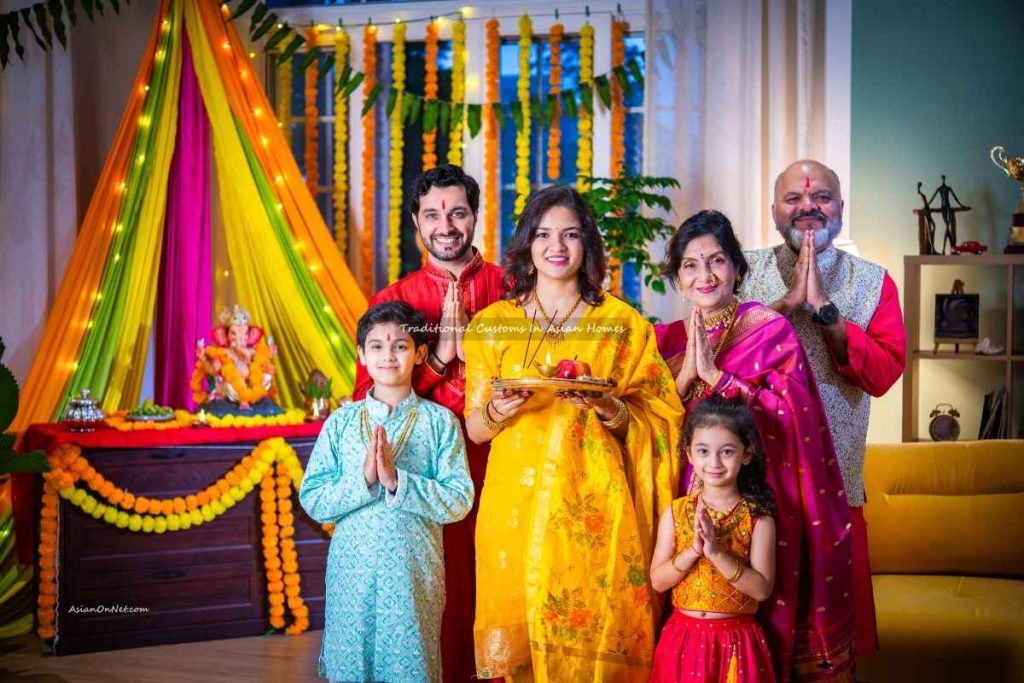
This guide explains common Traditional Customs In Asian Homes, including shoes, greetings, meals, elders, gifts, table manners, religious spaces, and everyday home etiquette.
👉 “Many home traditions are closely connected to seasonal celebrations, and readers may also enjoy this guide to Unique Cultural Festivals in Thailand.”
Why Traditional Customs In Asian Homes Matter
Traditional Customs In Asian Homes matter because the home is often seen as more than just a private space. It can be a place for family unity, hospitality, religious practice, respect for elders, and cultural identity.
In many Asian cultures, small actions can carry important meaning. Removing shoes may show cleanliness and respect. Greeting elders first may show good manners. Bringing a small gift may show appreciation. Sharing food may show warmth and care.
These customs are not always strict rules, and they can vary widely. A modern apartment in Tokyo, Bangkok, Seoul, Singapore, or Kuala Lumpur may feel different from a traditional family home in a rural village. Still, understanding the basics helps visitors behave with more confidence and respect.
Removing Shoes Before Entering
One of the most common Traditional Customs In Asian Homes is removing shoes before entering the living area. This custom is common in many countries, including Thailand, Japan, Korea, Vietnam, Malaysia, Indonesia, and parts of China.
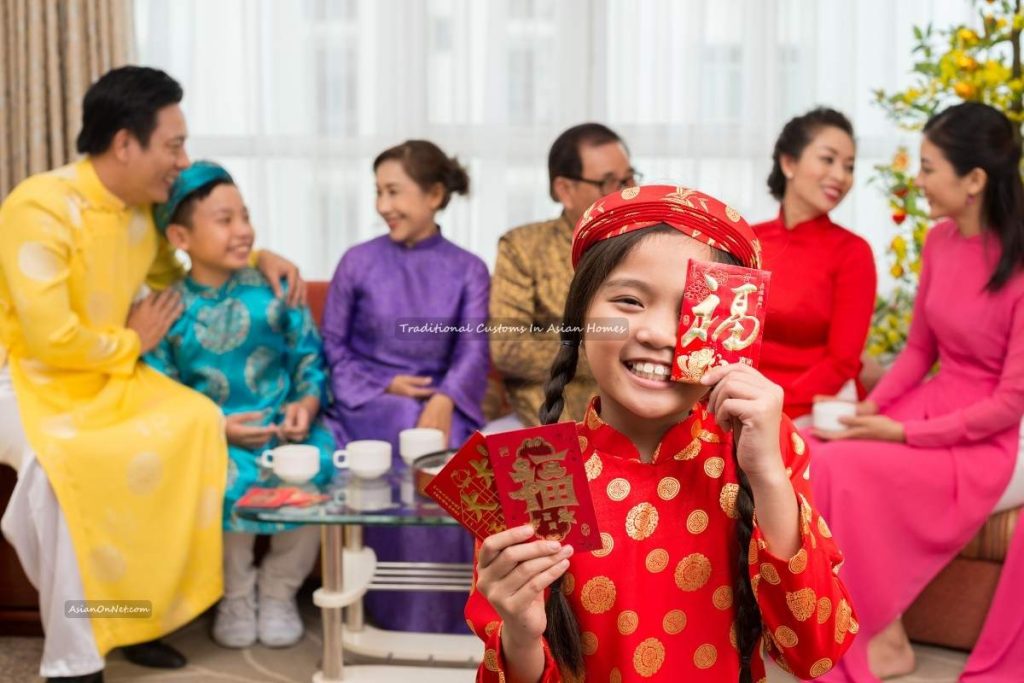
The reason is both practical and cultural. Shoes can bring dirt from outside, and removing them helps keep the home clean. It can also show respect for the household and the people living there.
If you are unsure, look near the entrance. If you see shoes lined up, slippers, or a shoe rack, it is usually a sign that you should remove your shoes. You can also politely ask, “Should I take off my shoes?”
Greeting Elders With Respect
Respect for elders is an important part of many Asian homes. Elders may be greeted first, served first, or given the most comfortable seat. This is not only about age, but also about family role, experience, and gratitude.
Different cultures show respect in different ways. In Thailand, people may use the wai greeting. In Japan and Korea, bowing may be common. In some families, younger people may use special polite language or titles for older relatives.
When visiting, a simple respectful greeting, gentle body language, and patient listening can make a good impression. You do not need to copy every custom perfectly, but it is good to show that you value the older members of the household.
Family Comes First
Many Traditional Customs In Asian Homes are built around family connection. Family meals, shared responsibilities, helping relatives, and caring for older parents are important values in many households.
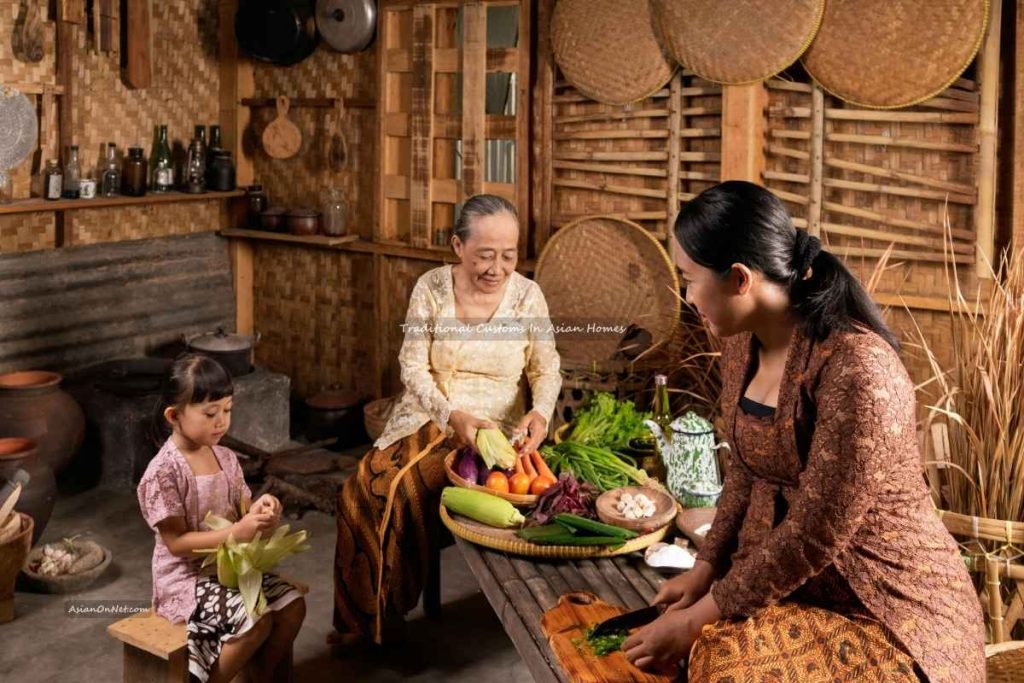
In some homes, several generations may live together or gather often. Grandparents, parents, children, aunts, uncles, and cousins may all be part of everyday family life.
This can feel different for visitors from cultures where independence is emphasized more strongly. In many Asian homes, decisions may be discussed with family, and respect for family opinion can be important.
Hospitality And Welcoming Guests
Hospitality is another common part of Traditional Customs In Asian Homes. Guests may be offered water, tea, fruit, snacks, or a meal soon after arriving. Refusing too strongly may feel impolite in some situations, while accepting a small amount can show appreciation.
Hosts may try to make guests feel comfortable by offering food, seating, or help. Sometimes guests are encouraged to eat more than they planned. This is often a sign of kindness, not pressure.
If you are full, you can politely smile and say thank you. A gentle response is usually better than a blunt refusal.
Food As A Sign Of Care
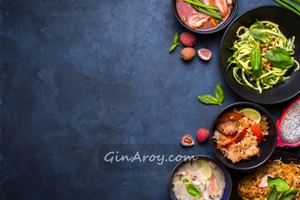
Food plays a central role in many Asian homes. A meal is often more than just eating. It can be a way to show love, welcome guests, celebrate special days, and bring family members together.
In many households, dishes are shared in the center of the table. People may take small portions from several dishes instead of eating one individual plate. In some cultures, elders or guests may be served first.
When learning about Traditional Customs In Asian Homes, food customs are especially important. Complimenting the food, trying a small amount, and thanking the cook are simple ways to show respect.
Table Manners And Eating Habits
Table manners differ across Asia. Some homes use chopsticks, some use spoons and forks, some eat with the right hand, and some use a mix of utensils depending on the meal.
In some cultures, it is polite to wait for elders to begin eating. In others, sharing food and encouraging others to eat is part of the meal. In many homes, wasting food may be seen as disrespectful.
If you are unsure what to do, watch how others behave and follow politely. Most families will understand if you are learning and trying your best.
Gift Giving When Visiting
Bringing a small gift is a common custom when visiting many Asian homes, especially for the first time or during holidays. The gift does not need to be expensive. Fruit, sweets, tea, snacks, flowers, or something from your own country can be enough.
Gift giving shows appreciation and respect for the invitation. In some cultures, gifts may be opened later rather than immediately. In others, the host may thank you warmly but set the gift aside.
When choosing a gift, keep it simple and thoughtful. Avoid gifts that may have negative meanings in certain cultures, such as items linked to funerals, sharp objects, or unlucky numbers.
Religious And Spiritual Spaces
Many Asian homes include religious or spiritual spaces. These may include Buddhist altars, ancestor tablets, Hindu shrines, Islamic prayer areas, Christian images, or other sacred objects depending on the family’s faith.
These spaces should be treated with respect. Do not touch religious items unless invited. Avoid placing bags, feet, or casual objects near sacred areas. In some homes, visitors may be asked to dress modestly or behave quietly near these spaces.
Understanding this part of Traditional Customs In Asian Homes helps visitors avoid accidental disrespect.
Respecting Personal And Shared Space
In many Asian homes, space may be shared by several family members. Bedrooms, living rooms, kitchens, and common areas may have different levels of privacy.
Visitors should avoid walking into rooms without being invited. It is polite to stay in the guest area unless the host shows you around. Ask before taking photos inside someone’s home, especially if family members, religious spaces, or private areas are visible.
Respecting space is a simple but important part of good home etiquette.
Cleanliness And Order
Cleanliness is important in many Asian households. Removing shoes, washing hands before eating, keeping floors clean, and organizing shared spaces can all be part of daily home life.
In some homes, sitting or sleeping areas may be kept especially clean. Feet may be considered less clean in some cultures, so pointing feet at people, food, elders, or religious objects can be seen as rude.
These details may vary, but being mindful of cleanliness and body language helps visitors show respect.
Communication Style In The Home
Communication in Asian homes can sometimes be indirect, especially when people want to avoid conflict or embarrassment. A person may say “maybe” or “later” instead of giving a direct no.
Harmony is often important. Speaking too loudly, arguing strongly, or criticizing someone in front of others may feel uncomfortable in many households.
When visiting, a calm and respectful tone is usually best. If you are unsure about something, ask politely rather than assuming.
Celebrations And Special Days
Many Traditional Customs In Asian Homes become more visible during festivals, weddings, religious days, birthdays, and family gatherings. Homes may be cleaned, decorated, filled with food, or prepared for guests.
Examples include Lunar New Year, Songkran, Diwali, Eid, Chuseok, Obon, Vesak, and many local festivals across Asia. Customs may include special foods, prayers, family visits, gifts, lucky colors, or honoring ancestors.
If you are invited to a celebration, ask what you should wear or bring. Showing interest in the meaning of the event is often appreciated.
Modern Homes And Changing Customs
It is important to remember that not all Asian homes follow customs in the same way. Younger generations, urban lifestyles, mixed-culture families, and international influences have changed many household habits.
Some families may be very traditional. Others may be relaxed and modern. Some may follow customs only during festivals or when elders are present.
Because of this, the best approach is to be observant, respectful, and flexible. Traditional Customs In Asian Homes are not a single fixed rulebook. They are living traditions that change from family to family.
Common Mistakes Visitors Should Avoid
Visitors do not need to be perfect, but a few mistakes are easy to avoid. Do not enter with shoes if everyone else has removed theirs. Do not touch religious items without permission. Do not point your feet at people or sacred objects if this is considered rude in that culture.
It is also wise to avoid strong criticism of the food, home, religion, or family customs. Even if something feels unfamiliar, approach it with curiosity rather than judgment.
A respectful attitude matters more than perfect knowledge.
How To Be A Thoughtful Guest
To be a thoughtful guest in an Asian home, start with simple habits. Arrive on time or close to the agreed time. Bring a small gift if appropriate. Greet elders politely. Remove shoes if the household does so. Accept hospitality with gratitude.
During meals, follow the host’s lead. Ask before taking photos. Offer thanks before leaving. A short message afterward can also be a kind gesture.
These small actions show respect for Traditional Customs In Asian Homes without making the visit feel formal or stressful.
👉 “Many home customs become even more meaningful during celebrations, and readers may also enjoy this Simple Guide To Traditional Festivals In Asia.”
Conclusion
Traditional Customs In Asian Homes reflect values such as respect, family connection, hospitality, cleanliness, and cultural identity. While customs vary across countries and families, learning the basics can help visitors feel more comfortable and show appreciation for the household.
The most important rule is to be respectful and observant. Watch what others do, ask politely when unsure, and approach unfamiliar customs with an open mind.
Whether you are visiting friends, meeting relatives, joining a festival, or learning more about Asian culture, understanding Traditional Customs In Asian Homes can make every visit warmer, smoother, and more meaningful.
FAQ
What are Traditional Customs In Asian Homes?
Traditional Customs In Asian Homes are everyday cultural practices related to respect, family life, food, greetings, hospitality, cleanliness, religion, and home etiquette.
Do all Asian homes follow the same customs?
No. Customs vary by country, region, religion, family background, and generation. It is best to observe and ask politely when unsure.
Should I remove my shoes in an Asian home?
In many Asian homes, yes. If you see shoes near the entrance or slippers provided, it is usually polite to remove your shoes.
What should I bring when visiting an Asian home?
A small gift such as fruit, tea, snacks, sweets, or something from your own culture is often appreciated, especially for a first visit.
How should I greet elders?
Greet elders respectfully and calmly. The exact greeting depends on the culture, but polite body language and respectful words are always helpful.
Is food important in Asian home customs?
Yes. Food often shows hospitality, care, and family connection. Trying a small amount and thanking the host is usually appreciated.
What should I avoid doing in an Asian home?
Avoid entering with shoes if the household removes them, touching religious objects without permission, pointing feet at sacred areas, or criticizing food and customs.
How can I be respectful if I do not know the customs?
Observe others, ask politely, follow the host’s lead, and show gratitude. Most families appreciate sincere effort more than perfect knowledge.