





- Introduction
- Why Traditional Festivals In Asia Are Important
- Common Meanings Behind Asian Festivals
- Traditional Festival Symbols In Asia
- Examples Of Traditional Festivals In Asia
- Lunar New Year
- Songkran In Thailand
- Diwali In South Asia
- Mid-Autumn Festival
- Obon In Japan
- Chuseok In Korea
- Vesak In Buddhist Communities
- Eid In Asian Muslim Communities
- Harvest Festivals Across Asia
- Local Temple And Village Festivals
- Festival Food And Family Recipes
- Music, Dance, And Performance
- How Children Learn Through Festivals
- Modern Changes In Traditional Festivals
- How To Respect Traditional Festivals In Asia
- Conclusion
- FAQ
Introduction
Traditional festivals in Asia are full of color, meaning, food, music, family, and history. They are not only special days on a calendar. They are moments when people remember the past, honor their beliefs, gather with family, and celebrate life.
This simple guide to traditional festivals in Asia explains the meaning behind these celebrations. It focuses on culture, symbols, family customs, food, and local traditions. It is not a travel calendar or month-by-month festival tour guide. Instead, it helps readers understand why these festivals matter and what they teach us about Asian life.
Asia is a large and diverse region. Every country, city, village, and community has its own customs. Some festivals are famous around the world, while others are small local events known only by nearby families. But many traditional festivals in Asia share similar values: respect, gratitude, renewal, faith, family, and community.
👉 “Watch more examples of Thai festivals and local celebrations Thai Festivals.”
Why Traditional Festivals In Asia Are Important
Traditional festivals in Asia help people stay connected to their roots. Many celebrations have been passed down through generations. Parents teach children how to prepare food, greet elders, visit temples, wear traditional clothing, or take part in family rituals.
Festivals also protect local culture. Songs, dances, crafts, recipes, costumes, and stories can survive because people continue to use them during special celebrations.
In many Asian communities, festivals are also a way to bring people together. Families return home. Neighbors meet. Temples, streets, markets, and public spaces become places of sharing and joy.
Traditional festivals remind people that culture is not only found in history books. It lives in daily actions, family habits, and community gatherings.
Common Meanings Behind Asian Festivals
Traditional festivals in Asia may look very different from one country to another, but many of them share common meanings.
Family And Reunion
Family is one of the strongest themes in Asian festivals. Many celebrations are built around returning home, eating together, visiting relatives, and showing respect to parents and grandparents.
During important festivals, people may travel from large cities back to their hometowns. Homes are cleaned, special meals are cooked, and younger family members greet older relatives.
These family traditions help children understand where they come from. They also keep family bonds strong.
Respect For Elders And Ancestors
Many traditional festivals include respect for elders and ancestors. This can include visiting graves, placing food at family altars, lighting incense, offering flowers, or saying prayers.
These customs show gratitude to those who came before. They remind people that family history is important.
In many Asian cultures, respect is not only shown through words. It is shown through actions, gestures, and rituals.
Renewal And New Beginnings
Some festivals mark a new year, a new season, or a new stage of life. Cleaning the home, wearing new clothes, lighting lamps, or using water can all symbolize a fresh start.
These traditions help people leave behind bad luck, sadness, or old problems. They also bring hope for health, happiness, and success.
Gratitude For Nature
Many traditional festivals in Asia are connected to nature. People celebrate the harvest, rain, rivers, flowers, the moon, or the changing seasons.
In the past, many communities depended strongly on farming, fishing, and natural cycles. Festivals became a way to give thanks for food, water, and good weather.
Even today, nature-based festivals remind people to respect the environment.
Faith And Spiritual Life
Religion and spirituality play an important role in many Asian festivals. Buddhism, Hinduism, Islam, Christianity, Sikhism, Taoism, Shinto, and local belief systems all shape different traditions.
Some festivals include prayers, temple visits, fasting, offerings, chanting, or acts of charity. Others combine spiritual meaning with public celebration.
These festivals show how belief and culture often live together.
Traditional Festival Symbols In Asia
Symbols are a big part of traditional festivals in Asia. They help people understand the deeper meaning of each celebration.
Light
Light often represents hope, wisdom, purity, or the victory of good over darkness. Lamps, lanterns, candles, and bright decorations are common in many Asian festivals.
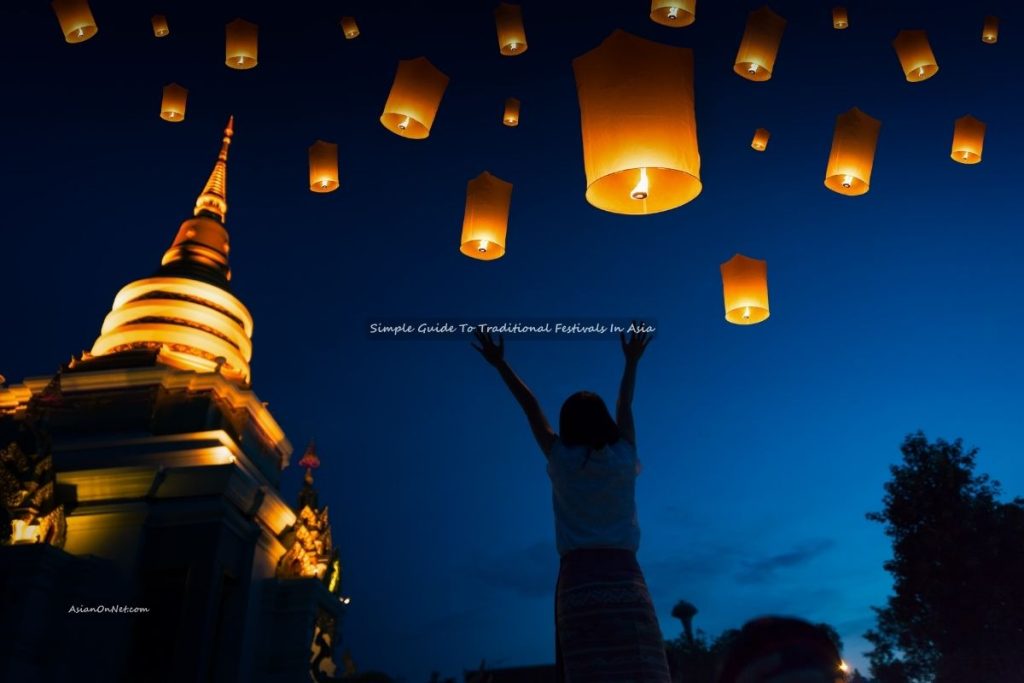
During light festivals, people may decorate homes, temples, streets, or public spaces. The glow creates beauty, but it also carries meaning.
Water
Water often symbolizes cleansing, blessing, and renewal. In some festivals, people pour water gently over the hands of elders, clean sacred objects, or join public water celebrations.
Water traditions remind people to begin again with a clean heart and good wishes.
Flowers
Flowers are used in many Asian festivals as signs of beauty, respect, purity, and blessing. They may be offered at temples, placed on altars, worn in the hair, or used to decorate homes and streets.
Different flowers may carry different meanings depending on the country or religion.
Food
Festival food is more than something to eat. Many dishes have symbolic meaning. Some foods represent luck, long life, unity, wealth, sweetness, or happiness.
Preparing food together is also part of the tradition. Recipes are often passed from grandparents to parents and children.
Traditional Clothing
Traditional clothing helps festivals feel special. People may wear national dress, religious clothing, or regional costumes.
Clothing can show identity, respect, and pride. It also helps younger generations connect with their culture.
Examples Of Traditional Festivals In Asia
There are thousands of traditional festivals across Asia. The examples below show different types of meanings, customs, and cultural values.
Lunar New Year
Lunar New Year is celebrated in several Asian communities, including Chinese, Vietnamese, Korean, and other cultures. Each country has its own customs, but the main themes often include family, luck, respect, and renewal.
Families may clean the home before the celebration, prepare special meals, visit relatives, and honor ancestors. Children may receive gifts or money, and elders are greeted with respect.
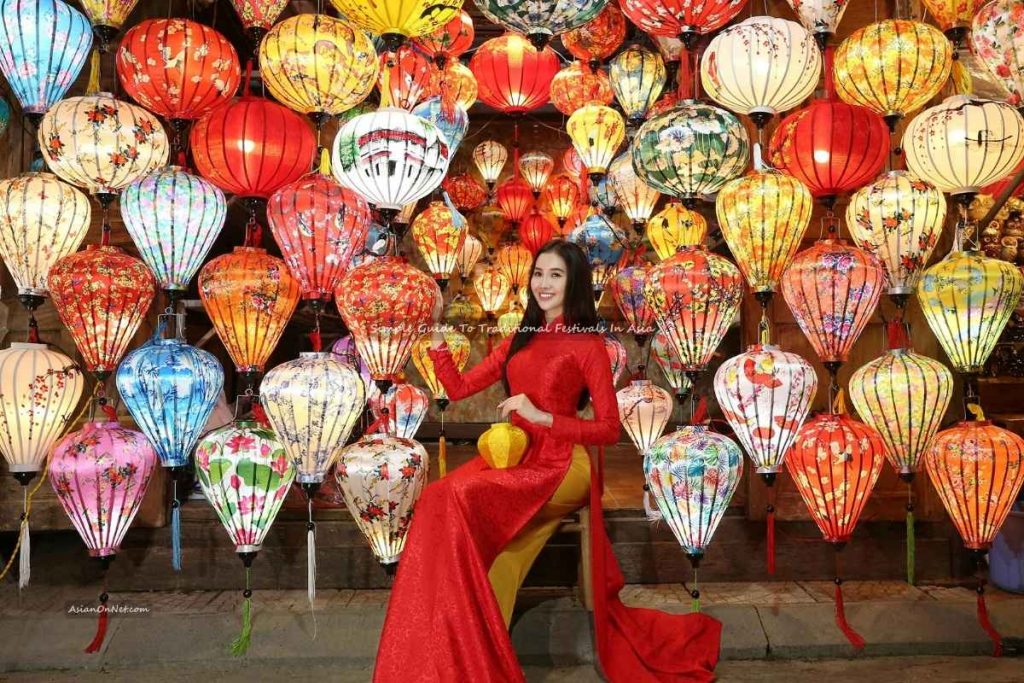
In Chinese communities, red decorations are common because red is linked to luck and happiness. In Vietnam, Tết is a major family celebration with flowers, traditional food, and ancestor customs. In Korea, Seollal includes respectful greetings, family rituals, and traditional clothing.
Lunar New Year is one of the clearest examples of how traditional festivals in Asia connect family life with hope for the future.
Songkran In Thailand
Songkran is Thailand’s traditional New Year festival. Many people know it for water celebrations, but the deeper meaning is about respect, cleansing, family, and new beginnings.
Thai families may visit temples, make merit, clean their homes, and spend time with older relatives. One meaningful custom is gently pouring water over the hands of elders to show respect and ask for blessings.
Water is used as a symbol of washing away bad luck and starting fresh.
Songkran shows how a festival can be joyful, playful, respectful, and spiritual at the same time.
Diwali In South Asia
Diwali is one of the most important festivals in India and among many Indian communities around the world. It is often called the Festival of Lights.
The main symbol of Diwali is light. Lamps and candles are used to represent hope, goodness, and the victory of light over darkness.
Families may clean and decorate their homes, wear festive clothes, prepare sweets, pray, and visit relatives. Sharing food and giving gifts are also common.
Diwali is a powerful example of how traditional festivals use symbols to teach values such as goodness, hope, and renewal.
Mid-Autumn Festival
The Mid-Autumn Festival is celebrated in Chinese and some other East and Southeast Asian communities. It is connected to the moon, harvest, family unity, and gratitude.
Families may gather to enjoy mooncakes, light lanterns, and look at the full moon. The round shape of the moon often represents reunion and completeness.
This festival shows how nature, food, and family can come together in one tradition.
Obon In Japan
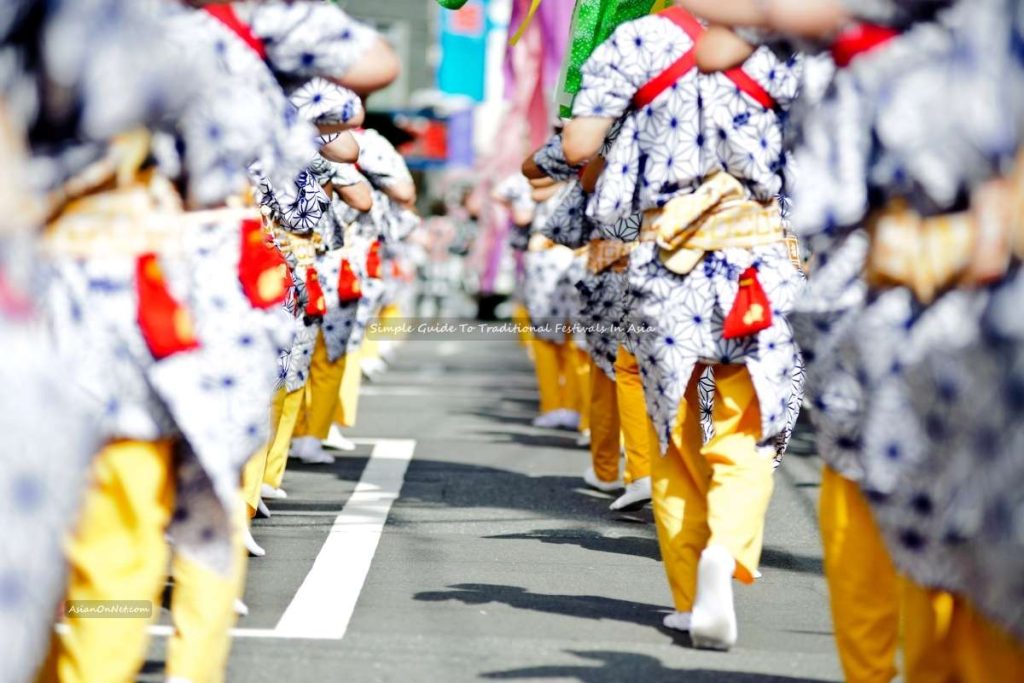
Obon is a Japanese festival connected to honoring ancestors. Families may visit graves, clean memorial sites, offer food, and join local dances known as Bon Odori.
Obon is both reflective and communal. It is a time to remember loved ones, but also a time for neighborhoods to gather through music, dance, and local events.
This festival shows the importance of memory and family history in Asian traditions.
Chuseok In Korea
Chuseok is one of Korea’s major traditional holidays. It is often connected to the harvest, family reunion, and respect for ancestors.
Families may visit ancestral graves, prepare special meals, and give thanks for the harvest. A traditional rice cake called songpyeon is often linked to Chuseok.
Chuseok shows how food, family, farming history, and gratitude can become part of one meaningful celebration.
Vesak In Buddhist Communities
Vesak is an important Buddhist festival celebrated in many Asian countries, including Thailand, Sri Lanka, Myanmar, Cambodia, Laos, and others.
It honors the life and teachings of the Buddha. People may visit temples, offer flowers and candles, listen to teachings, practice kindness, and give to charity.
Vesak is often peaceful and reflective. It reminds people of compassion, mindfulness, and good actions.
Eid In Asian Muslim Communities
Eid is celebrated by Muslim communities across Asia, including Indonesia, Malaysia, Brunei, India, Pakistan, Bangladesh, Central Asia, and many other regions.
Eid traditions may include prayer, family visits, festive meals, new clothes, charity, and greetings between friends and neighbors.
Food, generosity, and community are central parts of the celebration.
Eid shows the importance of faith, gratitude, and care for others.
Harvest Festivals Across Asia
Many traditional festivals in Asia are linked to harvest time. These festivals give thanks for food, farming, rain, and nature.
Harvest festivals may include rice dishes, fruit offerings, songs, dances, and family meals. In some places, people thank gods, spirits, ancestors, or nature for protection and abundance.
These celebrations remind us that food is deeply connected to culture.
Local Temple And Village Festivals
Not every traditional festival is known across a whole country. Many are local temple or village festivals.
These may honor a local guardian spirit, temple founder, religious event, river, mountain, or village history. They may include music, dance, processions, handmade decorations, food stalls, and community meals.
Local festivals are very important because they protect smaller traditions. They help each village or town keep its own identity.
Festival Food And Family Recipes
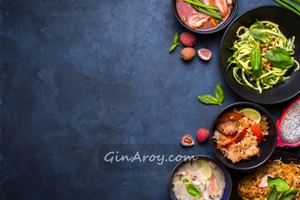
Food is one of the most important parts of traditional festivals in Asia. Many families prepare dishes that are only made during certain holidays.
Festival food can carry special meaning. For example, round foods may represent unity. Sweet foods may represent happiness. Rice dishes may represent life, harvest, or blessing.
Cooking is also a way to teach culture. Children may help parents or grandparents prepare food and learn the story behind each dish.
In this way, recipes become family memories.
Music, Dance, And Performance
Traditional festivals in Asia often include music, dance, and performance. These are not only for entertainment. They may tell stories, honor spiritual beliefs, or protect old art forms.
Examples include drum performances, folk dances, dragon dances, lion dances, temple music, shadow puppets, and local theater.
These performances keep old stories alive and make festivals exciting for the whole community.
How Children Learn Through Festivals
Festivals are one of the easiest ways for children to learn about culture. They learn by watching, helping, eating, listening, and joining.
Children may learn how to greet elders, why certain foods are important, what clothes to wear, how to behave in temples, and why families remember ancestors.
This kind of learning feels natural because it happens through family life.
Traditional festivals help culture continue from one generation to the next.
Modern Changes In Traditional Festivals
Traditional festivals in Asia are still important, but they are also changing. In big cities, festivals may include concerts, shopping events, light shows, tourism activities, or social media campaigns.
Families living abroad may celebrate in smaller ways. Some people keep old traditions exactly, while others adapt them to modern life.
This does not always mean the tradition is lost. Sometimes it means the tradition is finding a new form.
The most important part is the meaning behind the celebration.
How To Respect Traditional Festivals In Asia
Visitors and outsiders can enjoy traditional festivals, but respect is important. Many festivals have religious, family, or community meaning.
Here are simple ways to be respectful:
• Learn the basic meaning of the festival
• Dress properly, especially near temples or religious places
• Ask before taking close photos of people or ceremonies
• Follow local rules
• Be polite around elders, monks, priests, or community leaders
• Do not touch sacred objects without permission
• Try local food with respect
• Remember that the festival belongs to the local community
Respect helps visitors enjoy festivals in a better and more meaningful way.
👉 “Plan your trip with this month-by-month guide to festival tours in Asia Month-by-Month Guide.”
Conclusion
This simple guide to traditional festivals in Asia shows that festivals are much more than public celebrations. They are about family, memory, faith, food, nature, respect, and community.
Some festivals are bright and loud. Others are quiet and reflective. Some are celebrated across whole countries, while others belong to one village or temple.
Together, traditional festivals in Asia show the rich cultural life of the region. They help people remember the past, celebrate the present, and pass important values to the next generation.
FAQ
What are traditional festivals in Asia?
Traditional festivals in Asia are cultural, religious, seasonal, or family celebrations that have been passed down through generations. They often include food, music, clothing, rituals, and community gatherings.
Why are traditional festivals important in Asia?
They are important because they protect culture, bring families together, honor ancestors, celebrate nature, and teach younger generations about local values and customs.
Are all traditional festivals in Asia religious?
No. Some are religious, but others are cultural, seasonal, historical, or local community celebrations. Many festivals combine more than one meaning.
What are common symbols in Asian festivals?
Common symbols include light, water, flowers, food, traditional clothing, incense, candles, lanterns, and music. Each symbol can have a special meaning.
Why is food important in traditional festivals?
Food brings families together and often has symbolic meaning. Many festival dishes represent luck, unity, happiness, long life, or gratitude.
Can tourists join traditional festivals in Asia?
Yes, many public festivals welcome visitors. However, tourists should be respectful, learn the meaning of the festival, follow local customs, and avoid disturbing private or religious ceremonies.