


- Introduction
- January: New Year Traditions & Cultural Renewal
- February: Love, Fire, and Lanterns
- March: Colors and Celebrations
- April: Water, Renewal & Rebirth
- May: Cultural Richness and Faith
- June: Summer Vibes and Heritage
- July: Music, Rituals & Community
- August: Fireworks and Spiritual Awe
- September: Harvests and Heritage
- October: Lights, Legends & Local Lore
- November: Feasts and Fireworks
- December: Winter Wonderlands & Year-End Festivities
- Conclusion: Planning Your Festival Tour Calendar
- FAQ – Festival Tours in Asia
Introduction
Asia is a continent of breathtaking diversity. From towering Himalayan peaks to tropical beaches, bustling megacities to tranquil temple towns, every corner of this vast region holds its own story, its own flavor—and perhaps most enchantingly, its own festivals. These celebrations are more than just events on a calendar. They’re living expressions of heritage, faith, community, and joy. For travelers seeking not just sights but soul, festival tours in Asia offer a rare and immersive glimpse into the very heart of each culture.
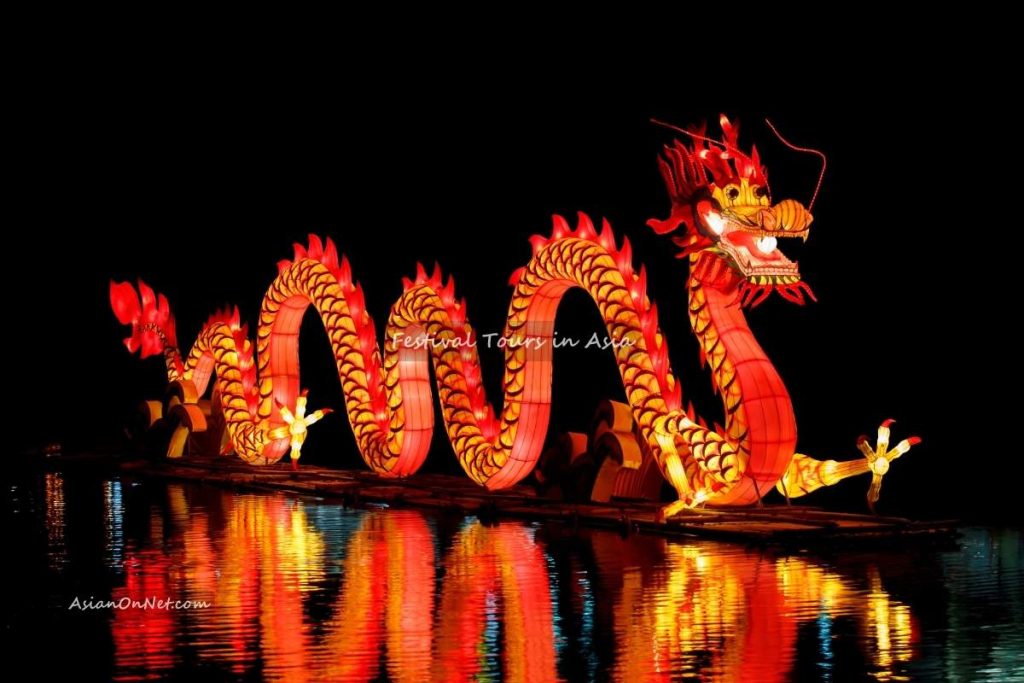
Whether you’re drawn to the spiritual resonance of Diwali in India, the colorful chaos of Holi, the serene lantern-lit nights in Thailand, or the drumbeats of Japan’s Obon festivals, the continent’s celebration calendar is as rich and rhythmic as its landscapes. Planning your trip around these cultural highlights doesn’t just enhance your itinerary—it transforms your entire travel experience.
That’s where festival tours in Asia come in. These curated journeys are designed to align with local festival dates, providing insider access, historical context, and often once-in-a-lifetime opportunities to take part in traditions tourists rarely see. Imagine participating in a water fight with half of Bangkok during Songkran or making offerings during Bali’s Nyepi Day silence. These aren’t just vacations—they’re vivid, unforgettable stories you’ll carry for life.
In this comprehensive, month-by-month guide, we’ll explore how you can align your adventures with Asia’s most iconic and offbeat festivities. From firecrackers in January to fireworks in December, we’ll walk you through the best times and places to plan your festival tours in Asia—making sure your travels are timed with the continent’s most spectacular moments of celebration.
🏙️ “Curious about everyday life in Asia’s bustling hubs? Don’t miss our guide on Insights into the Daily Routine in Urban Asian Cities.”
January: New Year Traditions & Cultural Renewal
The new year in Asia kicks off with a crescendo of celebration, reflection, and spiritual renewal. January is one of the most exhilarating times to embark on festival tours in Asia, as many countries embrace the season with culturally rich and visually spectacular festivities.
🧧 Chinese New Year (Lunar New Year) – China, Taiwan, Singapore
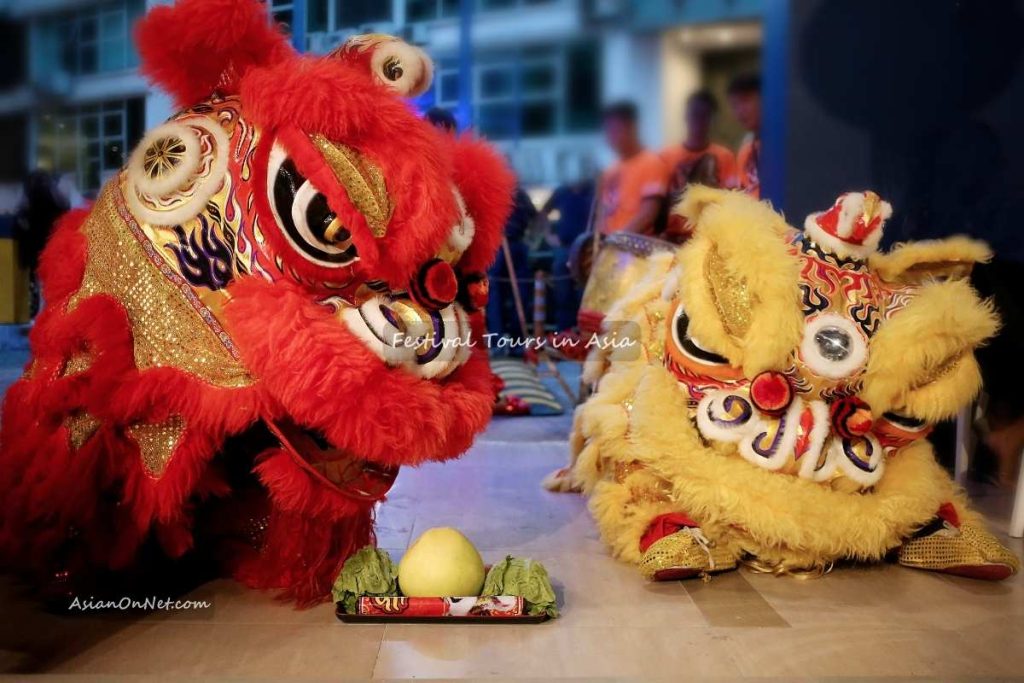
Arguably the grandest celebration in the Chinese-speaking world, Chinese New Year usually falls in late January or early February. The holiday is marked by firecrackers, dragon dances, red lanterns, and family reunions. Cities like Beijing, Taipei, and Singapore become vibrant with parades and street markets. For travelers, this is a chance to witness traditions that have shaped Eastern culture for thousands of years. Tour operators offering festival tours in Asia often include temple visits, food tastings, and behind-the-scenes access to lion dance troupes.
🔱 Thaipusam – Malaysia, Singapore
Celebrated primarily by Tamil Hindus, Thaipusam is both visually stunning and spiritually intense. In places like Kuala Lumpur and Singapore, devotees pierce their bodies with hooks and spears as offerings to Lord Murugan, culminating in a pilgrimage to sacred temples. It’s an unforgettable highlight on many festival tours in Asia, providing a raw and respectful view into spiritual devotion.
🌅 Why January is Ideal for Festival Travel
January’s festivals not only highlight Asia’s cultural depth but also offer mild weather and fewer crowds in some regions. This makes it a perfect month to start your year with inspiration, color, and connection. Whether you’re chasing fireworks or quiet temple prayers, January sets a powerful tone for your festival tours in Asia.
February: Love, Fire, and Lanterns
February continues Asia’s festive momentum with a blend of fire, ice, light, and romance. This month is perfect for travelers seeking a deeper emotional connection to culture—whether through dazzling visuals or spiritual renewal. It’s a golden time to embark on festival tours in Asia, especially if you crave variety in climates and traditions.
❄️ Harbin Ice and Snow Festival – China
In the frozen city of Harbin, northeast China transforms into a glowing ice kingdom. This month-long spectacle features intricately carved ice palaces, glowing sculptures, and snow art that stretch across massive fairgrounds. Visitors can walk through castles made of ice blocks lit by LED lights and even stay in ice hotels. As one of the world’s largest winter festivals, Harbin’s wonderland is a highlight of winter festival tours in Asia, blending art, innovation, and Arctic adventure.
🎉 Lantern Festival – Taiwan
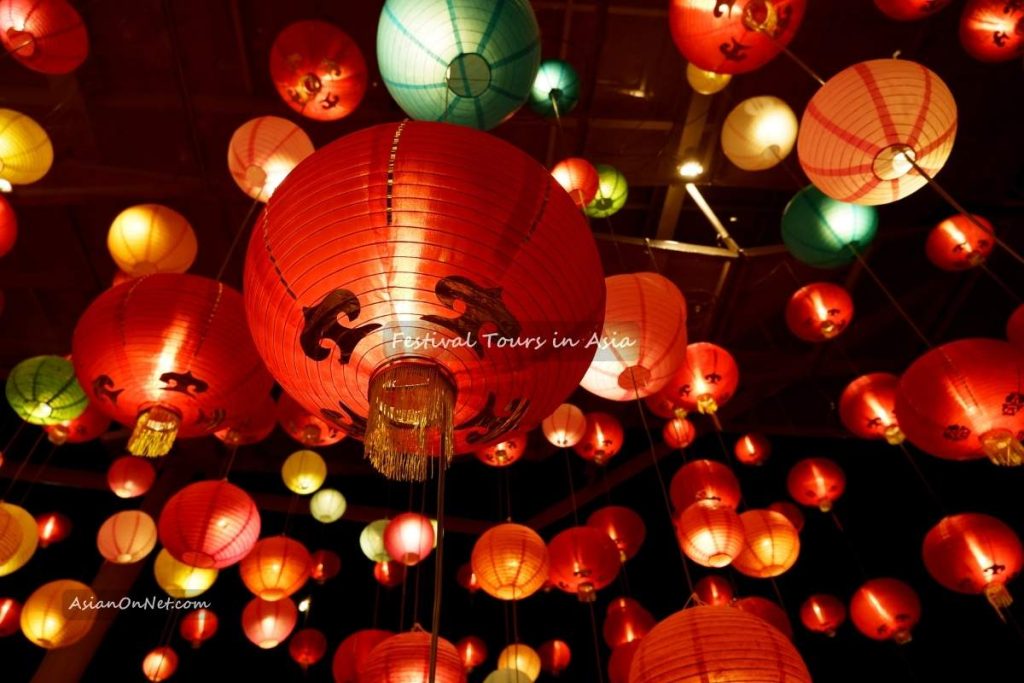
Falling on the 15th day of the Lunar New Year, the Lantern Festival brings Taiwan’s skies alive with floating lanterns, especially in Pingxi. It’s a moving and magical tradition where wishes are written on lanterns before they’re released into the night sky. Travelers on festival tours in Asia during February often describe this moment as one of deep personal connection and reflection.
🕉️ Losar – Tibetan New Year
Celebrated in Tibet, Nepal, and Bhutan, Losar blends Buddhist rituals with unique regional traditions. The celebrations last several days, involving masked dances, offerings, and family feasts. It’s a rare cultural opportunity, and one many festival tours in Asia now include to provide spiritual depth.
February offers romance, wonder, and inner stillness—making it a month where festival tours in Asia become not just visually breathtaking, but emotionally resonant too.
March: Colors and Celebrations
As spring begins to whisper across Asia, March ignites in vibrant hues and joyous sound. It’s a prime month to immerse yourself in festival tours in Asia, giving travelers the chance to celebrate renewal and cultural vibrancy.
Holi – India & Nepal
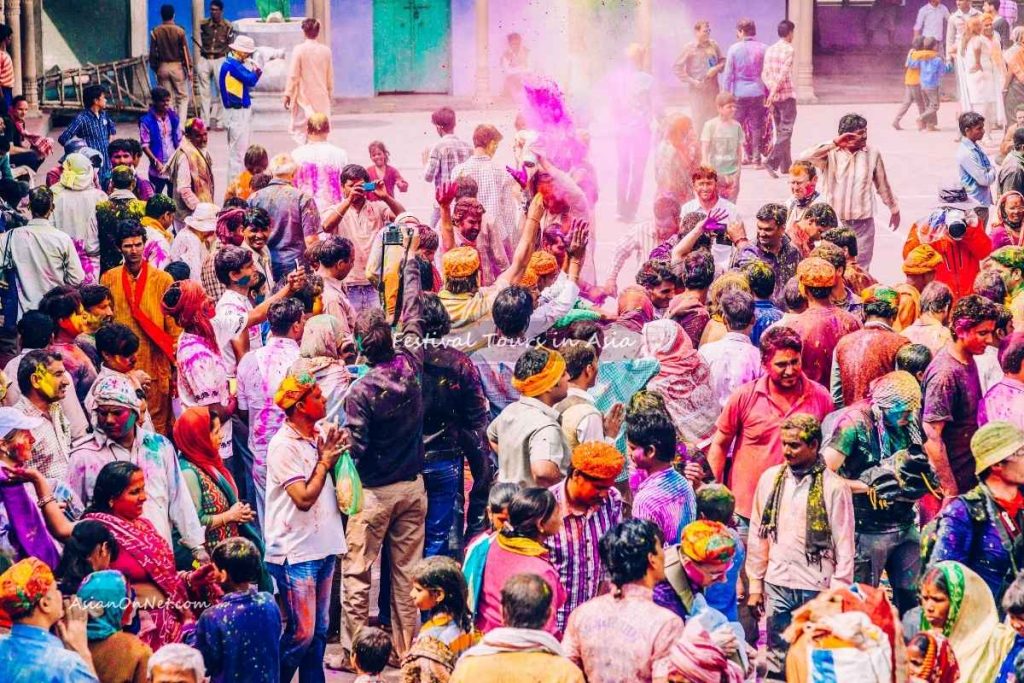
Known as the Festival of Colors, Holi is one of the most exuberant and beloved celebrations across India and parts of Nepal. Revelers fling colored powders, dance to traditional tunes, and share sweets—spontaneity and laughter are in the air. For those booking festival tours in Asia, Holi provides an immersive, sensory-rich experience that’s often described as life-changing.
Nyepi – Bali, Indonesia
In stark contrast, Bali’s Hindu New Year—Nyepi—is celebrated in serene silence. The island observes “Day of Silence” with fasting, meditation, and no fires or electricity. Tourists on tailored festival tours in Asia often stay in secluded resorts, experiencing Bali’s spiritual side in profound peacefulness.
Cherry Blossom Festivals – Japan
Though peak bloom varies (late March to early April), Japan’s sakura season often begins in March. Cities like Tokyo and Kyoto host hanami (flower-viewing) parties that celebrate the fleeting beauty of blossoms. Many tour companies now include “Cherry Blossom Festival” packages as part of their festival tours in Asia, meshing scenic beauty with cultural insight.
March is perfect for festival tours in Asia that celebrate both riotous joy and sacred stillness. Here, cultural contrasts unfold in full vibrancy.
April: Water, Renewal & Rebirth
April showers may bring May flowers—but in Asia, they bring a cascade of water fights, joyous ceremonies, and temple festivity. This month is a standout for planning festival tours in Asia focused on renewal and shared laughter.
Songkran – Thailand
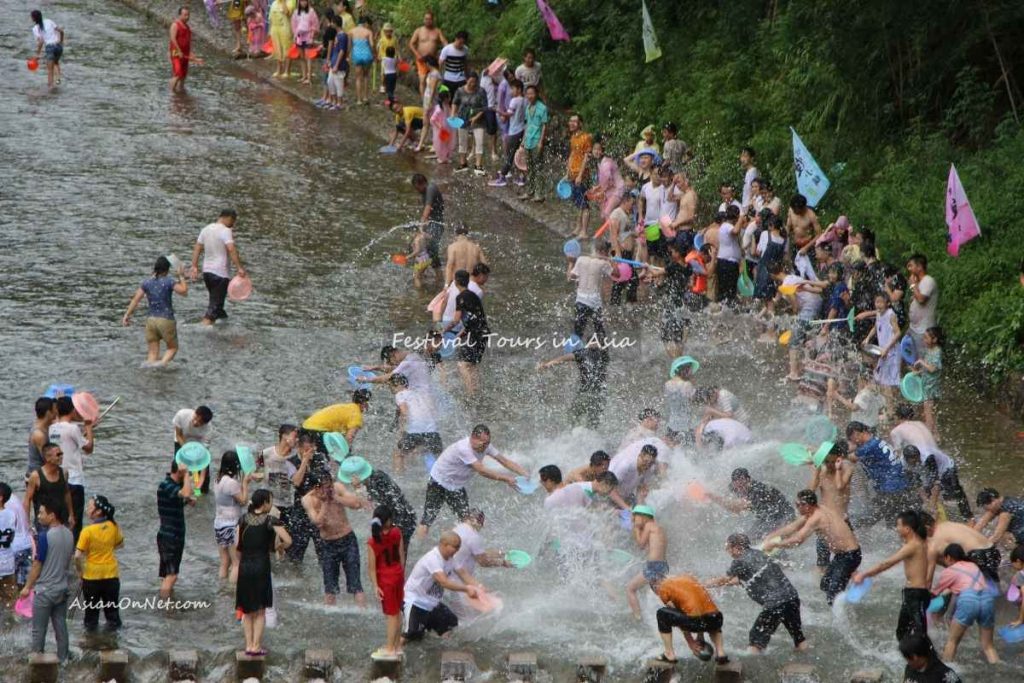
Thailand’s New Year festival, Songkran, transforms streets into playful battlegrounds with water guns and buckets. Beyond the fun, traditional customs like visiting temples and giving alms frame the celebration. Many festival tours in Asia include Songkran essentials: local guides, temple rituals, and water-safe gear.
💦 “Ready to dive into Thailand’s biggest celebration? Don’t miss our guide on The Complete Guide To Songkran: Thailand’S Water Festival.”
Khmer New Year – Cambodia
In Cambodia, April marks the Khmer New Year, celebrated with respectful temple visits, traditional dances, and local games. Authentic festival tours in Asia ensure respectful immersion alongside local communities—sharing in ceremonies and laughter.
Thingyan – Myanmar
Similar to Songkran, Myanmar’s Thingyan New Year includes water splashing, temple offerings, and community feasts. Travelers on festival tours in Asia during April enjoy this blend of spirituality and merriment, often guided with cultural sensitivity.
April’s water-soaked energy, rich spiritual overtones, and communal joy make it a top choice for festival tours in Asia promising both fun and meaning.
May: Cultural Richness and Faith
As spring transitions to early summer, May unfolds with luminous spiritual celebrations and cultural parades across Asia—ideal for planning inspired festival tours in Asia.
Buddha’s Birthday & Vesak Day – Sri Lanka, South Korea, Vietnam
Vesak Day, celebrating the birth, enlightenment, and death of Buddha, is marked with vibrant lanterns, floral offerings, and processions. Whether in Sri Lanka, South Korea, or Vietnam, festival tours in Asia during May offer peaceful, enriching encounters with Buddhist tradition.
Golden Week – Japan
Japan’s Golden Week spans late April into early May. Highlighted by national holidays, it’s a time for travel, festivities, and seasonal views—from parades to flower festivals. Festival tours in Asia curating Golden Week trips often include cultural workshops, museum visits, and local dining experiences.
May brings spiritual reflection, national pride, and accessible seasonal beauty—making it a perfect canvas for festival tours in Asia that blend calm heritage with celebratory spark.
June: Summer Vibes and Heritage
With warmer days, June welcomes festival-goers to celebrations rooted in tradition and artistic expression. Festival tours in Asia flourishing in June often combine cultural depth with festive energy.
Dragon Boat Festival – China & Taiwan
Marked by dragon boat races and sticky rice dumplings (zongzi), the Dragon Boat Festival is a vibrant and communal holiday. Attending the races or preparing zongzi is a popular highlight in festival tours in Asia, offering a genuine taste of local customs.
Bali Arts Festival – Indonesia
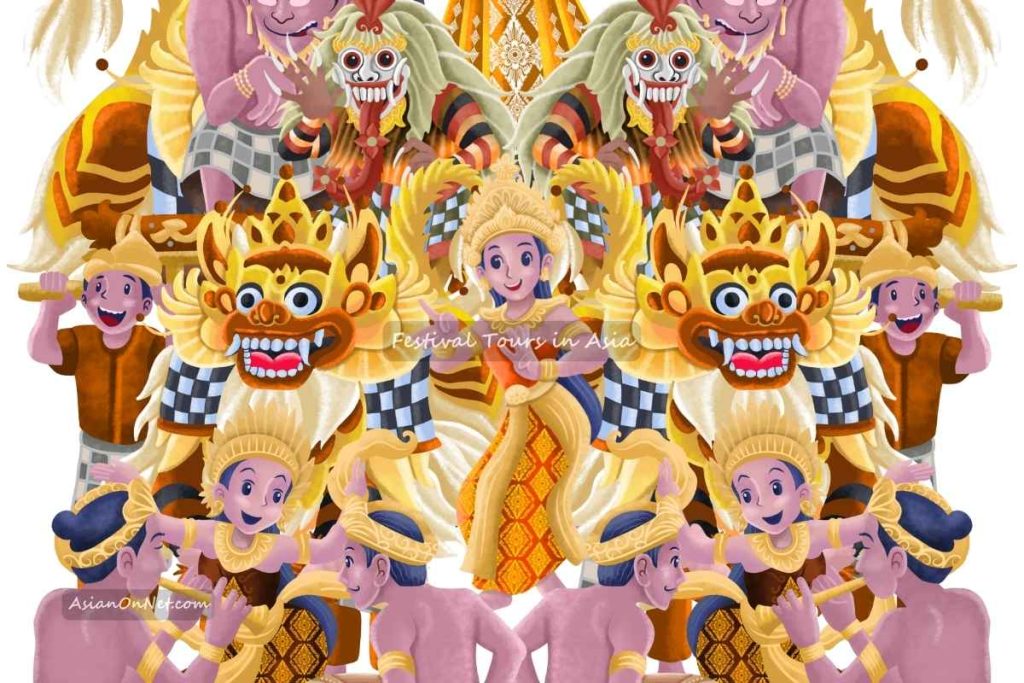
Bali’s month-long Arts Festival showcases dance, music, visual arts, and competitions celebrating Balinese heritage. Festival tours in Asia during June tap into this creative spectrum—giving visitors access to performances, galleries, and interactive workshops.
Gawai Dayak – Malaysia
Celebrated in Sarawak, Gawai Dayak honors the Dayak people through dance, feasting, and community gatherings. Tailored festival tours in Asia in June often include homestays, ritual demonstrations, and traditional craft sessions.
June blends competitive spirit, artistic celebration, and cultural heritage—perfect for festival tours in Asia with varied interests.
July: Music, Rituals & Community
July pulses with celebratory rhythms and ancestral homage. For experience-driven travelers, festival tours in Asia this month offer a dynamic mosaic of memory, music, and mindful connection.
Obon Festival – Japan
Obon honors ancestral spirits with lanterns, dances (Bon Odori), and family gatherings. Travel packages weaving in festival tours in Asia create tranquil experiences—taking part in dances and temple rituals under the summer night sky.
Naadam – Mongolia
Mongolia’s Naadam festival embodies festivity through “the three manly sports”: archery, wrestling, and horse racing. Festival tours in Asia that include Naadam immerse travelers in nomadic culture, traditional attire, and rural competition.
Boryeong Mud Festival – South Korea
A highlight of lively tourism, Boryeong Mud Festival offers everything mud-related—races, slides, massages. It’s light-hearted, messy, and social. Many festival tours in Asia pair this fun with cultural day-trips nearby, balancing play with exploration.
July’s vibrancy—anchored in ancestral reverence and spirited competition—makes it a standout month for festival tours in Asia catering to diverse tastes.
August: Fireworks and Spiritual Awe
Late summer in Asia glows with light, ceremony, and symbolic displays—making August a beautifully dramatic time for festival tours in Asia.
Hungry Ghost Festival – Singapore, Malaysia, Hong Kong
Honoring ancestral spirits, this festival includes traditional opera, offerings, and incense ceremonies. Festival tours in Asia that align with the Hungry Ghost Festival offer ethnographic insight, storytelling evenings, and respectful participation.
Tanabata – Japan
Also known as the Star Festival, Tanabata features elaborate decorations and handwritten poems hung from bamboo. Festival tours in Asia during August may include local shrine visits and craft-making sessions celebrating this poetic tradition.
Independence Day Festivals – Various Countries
August hosts national celebrations—from parades to fireworks—in countries like India (August 15), Pakistan (August 14), and others. Attending these national ritual and display events via festival tours in Asia provides powerful context and camaraderie.
August’s blend of luminous celebration and spiritual tradition makes it ideal for festival tours in Asia that embrace emotional resonance and cultural depth.
September: Harvests and Heritage
With the harvest moon glowing bright, September brings reflection, reunion, and gratitude—perfectly balanced for festival tours in Asia centered on tradition and community.
Mid-Autumn Festival – China, Vietnam, Taiwan
Also known as Moon Festival, this time brings families together to enjoy mooncakes and lanterns. Engaging festival tours in Asia during this period may include moonlit nights of poetry, food tasting, and lantern crafting.
Dashain – Nepal
Nepal’s Dashain festival celebrates the victory of good over evil with family gatherings, blessings, and kite flying. Festival tours in Asia that include Dashain often feature temple visits, rural homestays, and traditional feasting.
Chuseok – South Korea
A time of family reunions and ancestral tribute, South Korea’s Chuseok includes food offerings, folk games, and gratitude. Cultural experience festival tours in Asia in September may incorporate traditional attire (hanbok), dance, and communal meals.
September is all about warmth, heritage, and union—ideally suited for festival tours in Asia that focus on personal connection and local tradition.
October: Lights, Legends & Local Lore
As autumn deepens, Asia flourishes with illuminated traditions, legendary myths, and folklore. October is a top month for festival tours in Asia that combine light, story, and spectacle.
Diwali – India, Nepal, Sri Lanka
The Festival of Lights, Diwali celebrates the triumph of light over darkness with lamps, fireworks, sweets, and prayers. Many travelers include festival tours in Asia during Diwali to experience multi-sensory wonder, spiritual ambience, and rich pageantry.
Thimphu Tshechu – Bhutan
This Bhutanese festival showcases masked dances and dramatic performances held in monasteries. Cultural travel packages labeled festival tours in Asia often pair Tshechu with trekking and local guesthouse experiences for deep immersion.
Takayama Festival – Japan
Held in the historic town of Takayama, this two-day event features ornate floats and traditional music. Heritage-minded festival tours in Asia during October weave in this procession with architecture, local crafts, and sake tasting.
October’s mix of divine light, dramatic performance, and ancient tales makes it a standout period for festival tours in Asia focused on storytelling and spectacle.
November: Feasts and Fireworks
November’s evenings sparkle with lantern light and gratitude-filled feasts. It’s a cozy, festive time for festival tours in Asia that balance tradition and romance.
Loy Krathong – Thailand
Thailand’s festival of light involves floating lanterns (krathongs) on rivers as acts of gratitude. Festival tours in Asia timed for Loy Krathong allow guests to build their own lanterns and release them under candlelit skies.
Yi Peng Lantern Festival – Thailand
Often running in tandem with Loy Krathong, the Yi Peng Lantern Festival in Chiang Mai fills the sky with thousands of glowing lanterns—an unforgettable sight included in many festival tours in Asia.
Tihar – Nepal
A multi-day Nepali festival honoring animals and deities, Tihar features lights, music, and color—Dogs, cows, and crows are worshipped with garlands. Cultural festival tours in Asia may take guests into village homes for shared feasts and ceremonies.
November’s gentle illumination, spiritual homage, and collective joy make it a quietly spectacular month for festival tours in Asia designed for connection.
December: Winter Wonderlands & Year-End Festivities
The year closes with glittering lights, spiritual reflection, and festive cheer across Asia—perfectly aligning with festival tours in Asia built for holiday magic.
Christmas in the Philippines
With one of the world’s longest Christmas seasons, the Philippines celebrates with lights, songs, and midnight Mass. Many festival tours in Asia in December include parol-making workshops and local holiday meals.
Dongzhi Festival – China
The Winter Solstice celebration brings families together for tangyuan (sweet rice balls) and ancestor offerings. Festival tours in Asia that include Dongzhi offer culinary workshops and home visits for a winter spiritual touch.
New Year’s Eve Fireworks – Across Asia
From skyscraper fireworks in Hong Kong to beach parties in Bali, Asia welcomes the new year with dazzling displays. Travelers often book festival tours in Asia to join popular midnight gatherings with guided access and local celebrations.
December’s mix of warmth, ritual, cuisine, and sparkle rounds out a year of celebrations—ending your festival tours in Asia journey on a high note.
Conclusion: Planning Your Festival Tour Calendar
As our year-long journey through Asia’s festivals comes to a close, one thing is clear: planning festival tours in Asia around the continent’s calendar isn’t just a way to fill your travel itinerary—it’s a way to connect so deeply with culture, community, and memory that your trip becomes part of a story you’ll carry forever.
Tips for Planning Successful Festival Tours in Asia:
- Book early: Popular festivals fill quickly—secure accommodations and tours months in advance.
- Know the calendar: Many Asian festivals follow lunar or cultural calendars (e.g., Chinese Lunar dates, Hindu tithis). Cross-reference early to align travel.
- Respect customs: Dress modestly, honor temple rules, ask before photographing, and be aware of cultural sensitivities.
- Go local: Choose authentic festival tours in Asia offered by regional guides or cultural NGOs to ensure respectful immersion.
- Stay flexible: Weather, local schedules, and the lunar calendar can shift; build buffer days for adjustments.
FAQ – Festival Tours in Asia
1. What are festival tours in Asia?
Festival tours in Asia are curated travel experiences that align with cultural festivals across Asian countries. They offer travelers the chance to witness, and often participate in, traditional celebrations—ranging from religious ceremonies to street parades and community feasts.
2. Why should I plan my trip around a festival?
Planning around a festival enhances cultural immersion. You’ll not only visit famous sites but also engage with local traditions, foods, and stories that are only accessible during these celebrations.
3. When is the best time to book festival tours in Asia?
Ideally, you should book 3–6 months in advance, especially for major festivals like Diwali, Songkran, or Chinese New Year, which attract global travelers and locals alike.
4. Are these tours suitable for families or solo travelers?
Yes! Many festival tours in Asia are designed for all types of travelers. Some focus on group dynamics and guided immersion, while others offer private, customizable experiences.
5. What should I pack for a festival tour?
Pack modest clothing, comfortable shoes, weather-appropriate gear, and (if needed) culturally respectful items like head coverings. Check your tour details for specific festival guidelines.