





- Introduction
- Why Asian Food Traditions Are Worth Exploring
- Rice As A Daily Foundation
- Noodles And Everyday Comfort
- Tea Traditions
- Street Food Culture
- Family-Style Eating
- Food And Hospitality
- Festival Foods
- Seasonal Ingredients
- Spices, Herbs, And Aromas
- Fermented Foods
- Food Markets
- Cooking Together
- Respect At The Table
- Religious And Spiritual Food Traditions
- Regional Diversity
- Modern Life And Food Traditions
- How To Explore Asian Food Traditions Respectfully
- Common Mistakes To Avoid
- Simple Checklist For Food Explorers
- Conclusion
- FAQ
- What Are Asian Food Traditions?
- Why Are Asian Food Traditions Important?
- Is Asian Food Only Spicy?
- What Are Common Foods Across Asia?
- Why Is Rice Important In Asian Food Culture?
- What Is Family-Style Eating?
- Are Street Foods Part Of Asian Food Traditions?
- What Are Festival Foods?
- How Can I Explore Asian Food Respectfully?
- What Is The Best Way To Start Exploring Asian Food?
Introduction
Asian Food Traditions are rich, diverse, and deeply connected to daily life. Across Asia, food is not only about eating. It is also about family, festivals, hospitality, memory, religion, farming, markets, seasons, and community.
Asia is not one single food culture. A meal in Thailand may look very different from a meal in Japan, India, Korea, Vietnam, China, Indonesia, Malaysia, the Philippines, or Central Asia. Even within one country, food habits can change by region, climate, religion, family background, and local ingredients.
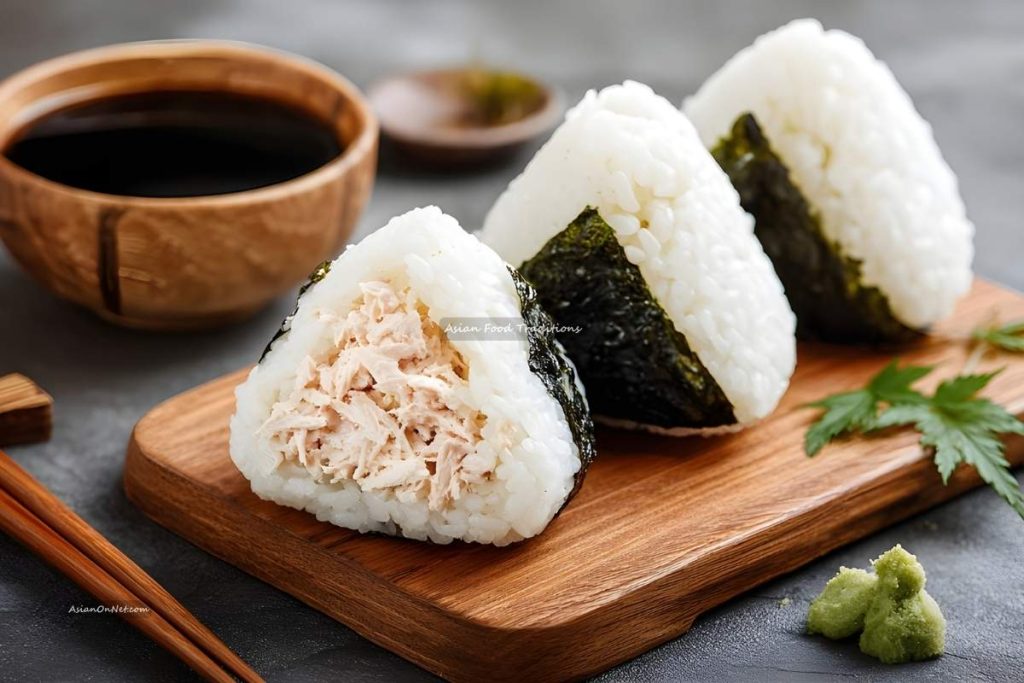
For asianonnet.com readers, Asian Food Traditions are a friendly way to explore how people live, gather, celebrate, share, and care for one another through food.
👉 Readers exploring Asian food traditions may also enjoy these ideas for Thai Food To Make Without Special Tools.”
Why Asian Food Traditions Are Worth Exploring
Asian Food Traditions are worth exploring because they show how food connects people to culture. A bowl of rice, a cup of tea, a family soup, a festival sweet, a noodle dish, or a market snack can tell a story about place and identity.
Food traditions may show:
- Family values
- Local ingredients
- Religious customs
- Seasonal habits
- Hospitality
- Community sharing
- Farming history
- Regional identity
- Festival celebrations
- Respect for elders
- Daily routines
- Local creativity
- Migration and trade
- Cooking skills passed down over time
Food is often one of the easiest ways to understand culture because it is part of everyday life.
Rice As A Daily Foundation
Rice is one of the most important foods in many parts of Asia. It appears in daily meals, family gatherings, religious offerings, desserts, snacks, and festival dishes.
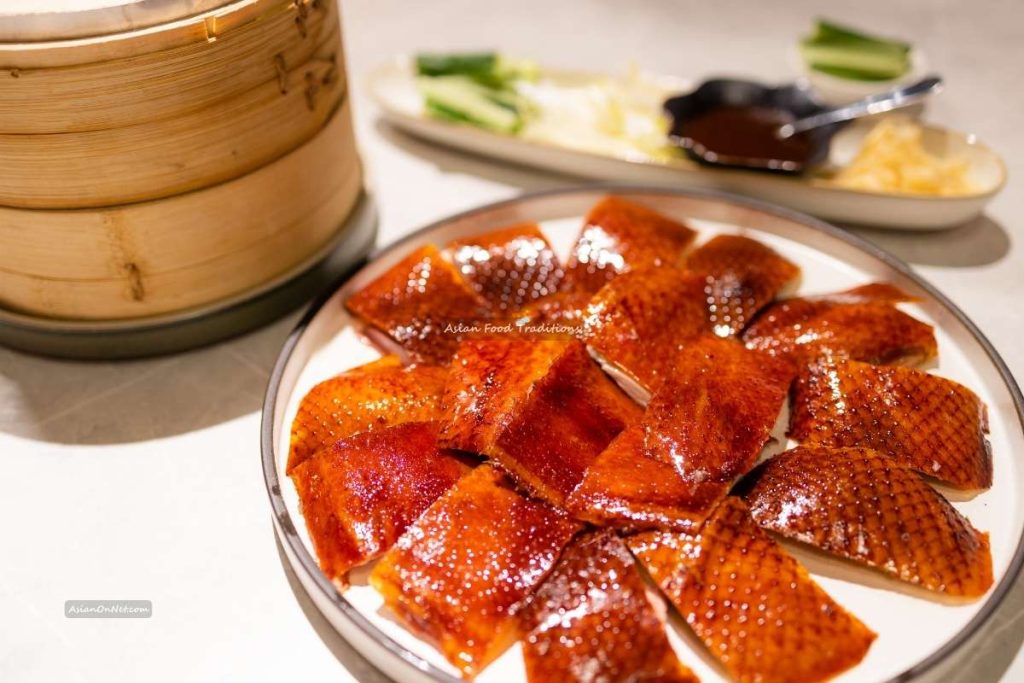
Rice may be served as:
- Steamed rice
- Sticky rice
- Fried rice
- Rice porridge
- Rice noodles
- Rice cakes
- Rice desserts
- Rice paper
- Rice soup
- Coconut rice
In many Asian homes, rice is not just a side dish. It is the centre of the meal. Other dishes are often served around it, including vegetables, meat, fish, soup, pickles, sauces, and herbs.
One of the most important Asian Food Traditions is the idea that a simple bowl of rice can bring people together.
Noodles And Everyday Comfort
Noodles are found across Asia in many forms. They may be served in soups, stir-fries, cold dishes, street food bowls, festive meals, or quick family dinners.
Different noodle traditions may include:
- Rice noodles
- Egg noodles
- Wheat noodles
- Glass noodles
- Hand-pulled noodles
- Soba
- Udon
- Ramen
- Pho
- Pad Thai
- Laksa
- Lo mein
- Pancit
- Boat noodles
Noodles are often linked with comfort and convenience. In some cultures, long noodles can also symbolise long life, especially during birthdays or celebrations.
Noodle dishes show how simple ingredients can become deeply meaningful.
Tea Traditions
Tea is one of the most graceful Asian Food Traditions. Tea can be part of hospitality, meditation, family conversation, business meetings, temple visits, daily rest, and formal ceremonies.
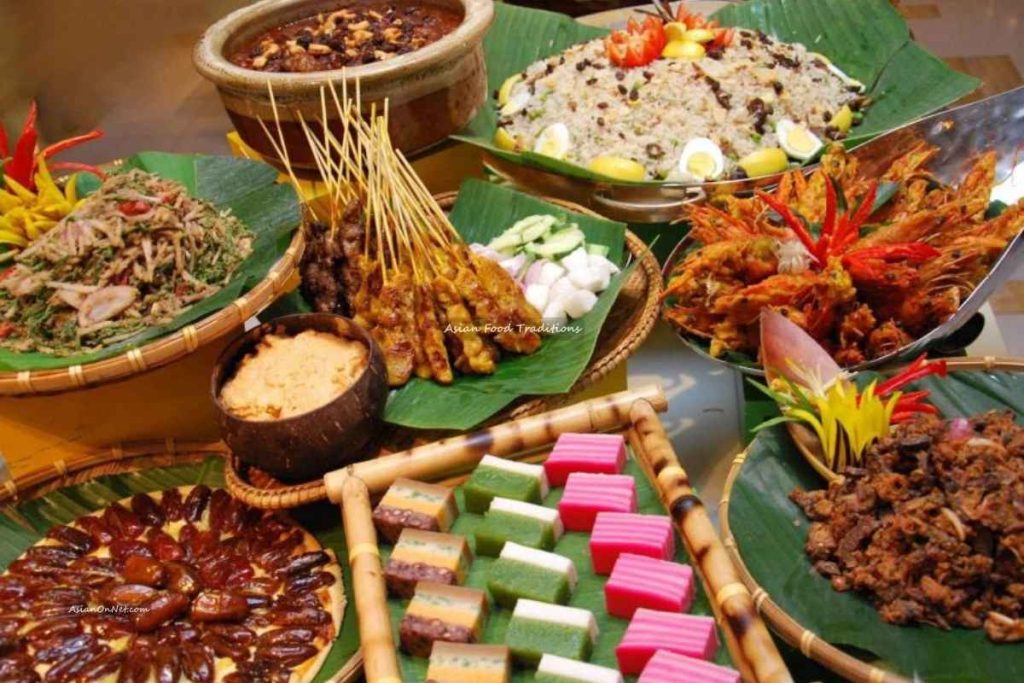
Tea traditions vary widely. Some are simple and casual, while others are highly detailed and ceremonial.
Common tea experiences include:
- Green tea
- Black tea
- Oolong tea
- Jasmine tea
- Milk tea
- Masala chai
- Matcha
- Barley tea
- Chrysanthemum tea
- Lemongrass tea
- Pandan tea
- Ginger tea
Tea is not only a drink. It can be a pause, a welcome, a sign of respect, or a moment of calm.
Street Food Culture
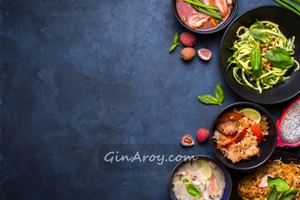
Street food is one of the most exciting ways to explore Asia. Markets, roadside stalls, night markets, food carts, and hawker centres show how everyday food becomes part of public life.
Street food may include:
- Grilled skewers
- Noodle soup
- Dumplings
- Fried snacks
- Pancakes
- Curry rice
- Fruit
- Sweet desserts
- Satay
- Spring rolls
- Roti
- Buns
- Rice dishes
- Local drinks
Street food is often affordable, fast, and full of local flavour. It also shows how people eat during work breaks, evening walks, school runs, family outings, and festivals.
For travellers, street food can be a window into local culture. Cleanliness, freshness, and busy stalls are important things to watch for.
Family-Style Eating
Family-style eating is common in many Asian cultures. Instead of each person having one separate plate, several dishes may be placed in the middle for everyone to share.
A shared meal may include:
- Rice
- Soup
- Vegetable dishes
- Meat or fish
- Pickles
- Sauces
- Noodles
- Small side dishes
- Tea
- Fruit
Family-style eating encourages conversation, sharing, and attention to others. People may serve elders first, offer food to guests, or make sure everyone has enough.
This tradition shows that food is not only personal. It is social.
Food And Hospitality
Hospitality is an important part of many Asian Food Traditions. Guests are often welcomed with food, tea, fruit, snacks, sweets, or a full meal.
In some families, offering food is a way to show love and respect. A guest may be encouraged to eat more, try a special dish, or accept tea before conversation begins.
Hospitality may include:
- Serving tea
- Offering fruit
- Preparing extra dishes
- Sharing homemade food
- Giving snacks to visitors
- Cooking for guests
- Sending food home
- Preparing festival meals
- Offering sweets during celebrations
Food can say “welcome” even before words are spoken.
Festival Foods
Festivals across Asia often have special foods connected to memory, belief, family, and celebration. These dishes may be prepared only during certain times of the year, which makes them feel meaningful.
Festival foods may include:
- Mooncakes
- Dumplings
- Rice cakes
- Sweet sticky rice
- New Year noodles
- Spring rolls
- Curry dishes
- Festival sweets
- Special soups
- Grilled meats
- Coconut desserts
- Temple offerings
- Fruit baskets
- Lucky foods
Food can mark time. It helps people remember seasons, ancestors, religious events, harvests, family gatherings, and community traditions.
Seasonal Ingredients
Seasonal eating is another important part of Asian food culture. Many traditional meals use ingredients that are fresh, local, and suited to the weather.
Seasonal ingredients may include:
- Mango
- Coconut
- Bamboo shoots
- Mushrooms
- Leafy greens
- Root vegetables
- Tropical fruit
- Fresh fish
- Seasonal herbs
- Pickled vegetables
- Rice harvest products
- Tea leaves
- Local spices
Seasonal eating connects food to nature. It reminds people that meals are shaped by climate, harvests, and local land.
Spices, Herbs, And Aromas
Asian cooking often uses spices, herbs, and aromatics to create flavour, warmth, freshness, and balance.
Common ingredients may include:
- Ginger
- Garlic
- Lemongrass
- Turmeric
- Chilli
- Coriander
- Mint
- Basil
- Galangal
- Cardamom
- Cinnamon
- Star anise
- Cumin
- Curry leaves
- Kaffir lime leaves
These ingredients do more than add taste. They create the smell of home, markets, festivals, and family kitchens.
Asian Food Traditions often use aroma as part of the eating experience.
Fermented Foods
Fermented foods are important in many Asian cuisines. They can add sour, salty, deep, or complex flavours to meals.
Examples may include:
- Kimchi
- Miso
- Soy sauce
- Fish sauce
- Pickled vegetables
- Fermented bean paste
- Tempeh
- Natto
- Fermented tea leaves
- Shrimp paste
- Rice wine vinegar
- Fermented tofu
Fermented foods show how people preserved ingredients before modern refrigeration. They also show patience, skill, and family knowledge passed down through generations.
Some fermented foods are everyday side dishes, while others are central to national or regional identity.
Food Markets
Markets are central to many Asian Food Traditions. A food market is not only a place to buy ingredients. It is also a place to see daily life.
Markets may offer:
- Fresh vegetables
- Fruit
- Rice
- Fish
- Meat
- Herbs
- Spices
- Snacks
- Desserts
- Noodles
- Tea
- Cooked meals
- Flowers
- Festival foods
Markets connect farmers, cooks, families, vendors, and visitors. They also show what people actually eat in daily life.
For cultural travellers, markets can be more meaningful than famous restaurants because they show everyday food habits.
Cooking Together
Cooking together is an important tradition in many families. Parents, grandparents, children, aunts, uncles, and neighbours may all take part in preparing food for festivals, weddings, religious events, or family gatherings.
Cooking together may involve:
- Washing vegetables
- Grinding spices
- Wrapping dumplings
- Making rice cakes
- Preparing curry paste
- Folding snacks
- Cutting fruit
- Stirring sauces
- Preparing desserts
- Making festival dishes
Through cooking, younger people learn recipes, stories, manners, and family memory.
Food traditions survive because people practise them together.
Respect At The Table
Table manners vary across Asia, but many food traditions include respect. Respect may be shown through seating, serving, sharing, waiting, offering food, or using chopsticks, spoons, hands, or bowls properly.
Common ideas may include:
- Serving elders first
- Sharing dishes politely
- Not wasting food
- Waiting for others
- Accepting food with gratitude
- Eating calmly
- Respecting religious food rules
- Using utensils correctly
- Not taking the last piece without offering
- Thanking the cook
These habits show that food is connected to behaviour and relationships.
Religious And Spiritual Food Traditions
Religion and spirituality influence food traditions across Asia. Some communities avoid certain foods, fast during certain periods, prepare offerings, eat vegetarian meals, or cook special dishes for religious events.
Food may be connected to:
- Temple offerings
- Ancestor remembrance
- Fasting
- Vegetarian festivals
- Halal food
- Buddhist practices
- Hindu customs
- Islamic traditions
- Christian celebrations
- Local spiritual beliefs
- New Year rituals
Understanding these practices helps readers see food as more than flavour. Food can be part of faith, memory, gratitude, and respect.
Regional Diversity
Asia’s food traditions are extremely diverse. Even one ingredient can be used in many different ways.
Rice may become sushi, biryani, sticky rice, congee, nasi lemak, rice cakes, fried rice, or rice noodles. Tea may be served plain, spiced, sweet, iced, powdered, or ceremonial. Noodles may be eaten in broth, stir-fried, cold, or handmade.
This diversity is one reason Asian Food Traditions are so interesting. There is always more to learn.
Readers should avoid thinking of Asian food as one single style. It is a wide world of regional stories.
Modern Life And Food Traditions
Modern life has changed how people eat. Many families now use delivery apps, supermarkets, frozen ingredients, restaurant meals, and quick recipes. Younger generations may live far from grandparents or traditional markets.
Still, many food traditions continue in new ways.
Modern food traditions may include:
- Sharing recipes online
- Ordering festival foods
- Cooking family dishes on weekends
- Visiting heritage restaurants
- Watching cooking videos
- Buying traditional snacks from small businesses
- Teaching children simple recipes
- Mixing old flavours with modern habits
- Preserving family recipes digitally
Traditions do not always disappear. Sometimes they adapt.
How To Explore Asian Food Traditions Respectfully
Exploring food traditions should be done with respect. Food is personal and cultural, not only something to photograph or consume.
Respectful exploration means:
- Learning the story behind a dish
- Pronouncing names carefully when possible
- Supporting local cooks
- Avoiding stereotypes
- Respecting religious rules
- Asking before taking photos of people
- Not mocking unfamiliar flavours
- Understanding regional differences
- Giving credit to origins
- Being open-minded
A respectful visitor learns with curiosity, not judgement.
Common Mistakes To Avoid
When exploring Asian Food Traditions, avoid common mistakes such as:
- Thinking all Asian food is spicy
- Treating one country’s food as all of Asia
- Ignoring regional differences
- Assuming street food is always unsafe
- Assuming expensive restaurants are always more authentic
- Mocking unfamiliar ingredients
- Forgetting religious food rules
- Ignoring food allergies
- Confusing fusion food with traditional food
- Expecting every dish to match online trends
- Wasting food
- Taking photos without permission
Food exploration should be enjoyable and thoughtful.
Simple Checklist For Food Explorers
Use this checklist when exploring Asian Food Traditions:
- I know which country or region the food comes from
- I understand the basic ingredients
- I respect local eating customs
- I ask about spice level if needed
- I check for allergens
- I choose clean and busy food places
- I avoid mocking unfamiliar foods
- I support local cooks when possible
- I try small portions first
- I learn the story behind the dish
- I avoid wasting food
- I stay curious and respectful
This simple approach makes food travel more meaningful.
👉 “Readers exploring Asian food traditions may also enjoy this simple guide to Food And Drink In Asia.”
Conclusion
Asian Food Traditions are a beautiful way to understand culture, family, history, hospitality, faith, markets, seasons, and everyday life. From rice and noodles to tea, street food, festival dishes, family meals, fermented foods, spices, herbs, and shared dining, food tells stories across Asia.
For asianonnet.com readers, the best way to explore Asian food is with curiosity and respect. Asia is diverse, and every dish has its own background. Some traditions are formal and ceremonial, while others are simple daily habits shared at home.
By learning about Asian Food Traditions, readers can appreciate not only what people eat, but also how food connects generations, welcomes guests, celebrates festivals, and keeps culture alive.
FAQ
What Are Asian Food Traditions?
Asian Food Traditions are cultural food practices connected to family life, festivals, hospitality, religion, markets, seasons, cooking methods, and shared meals across Asia.
Why Are Asian Food Traditions Important?
They are important because food helps preserve identity, memory, family stories, community values, and cultural practices.
Is Asian Food Only Spicy?
No. Asian food can be mild, sweet, sour, salty, fresh, rich, simple, or spicy depending on the country, region, and dish.
What Are Common Foods Across Asia?
Common foods include rice, noodles, soups, tea, vegetables, fish, herbs, spices, fermented foods, dumplings, curry dishes, and fruit.
Why Is Rice Important In Asian Food Culture?
Rice is a daily staple in many Asian countries and is often central to meals, festivals, family life, and traditional cooking.
What Is Family-Style Eating?
Family-style eating means several dishes are shared at the table, often with rice, soup, vegetables, sauces, and side dishes.
Are Street Foods Part Of Asian Food Traditions?
Yes. Street food is an important part of everyday food culture in many Asian countries and shows how people eat in public spaces.
What Are Festival Foods?
Festival foods are special dishes prepared during religious events, New Year celebrations, harvest festivals, weddings, or family gatherings.
How Can I Explore Asian Food Respectfully?
Learn the story behind dishes, respect local customs, avoid stereotypes, check religious food rules, and support local cooks.
What Is The Best Way To Start Exploring Asian Food?
Start with simple dishes such as rice meals, noodle soups, tea, dumplings, fresh fruit, family-style meals, and local market foods.