






- Introduction: Setting the Scene
- Morning Rush: Waking Up with the City
- Workday Patterns in Asia
- Education and Student Life
- Lunchtime Culture: Flavors of the City
- Afternoon Flow: Balancing Work, Errands, and Leisure
- Evening Commutes & Family Time
- Nightlife and City Lights
- Challenges of Urban Daily Routine
- Conclusion: Shared Patterns, Unique Flavors
- FAQ Section
Introduction: Setting the Scene
Asia’s cities are alive with contrasts. On one side stand ancient temples and quiet rituals, while on the other, neon lights and skyscrapers dominate the skyline. Yet what truly defines these metropolises is not only their landmarks but also the ordinary moments that millions live out every single day.
The daily routine in urban Asian cities is shaped by early mornings, long commutes, demanding work hours, vibrant food traditions, and evenings filled with family or nightlife. In Tokyo, efficiency rules every hour. In Bangkok, mornings begin with spicy street food. In Mumbai, crowded trains pulse like arteries carrying millions to work. And in Seoul, high-tech lifestyles blend with old-fashioned values.
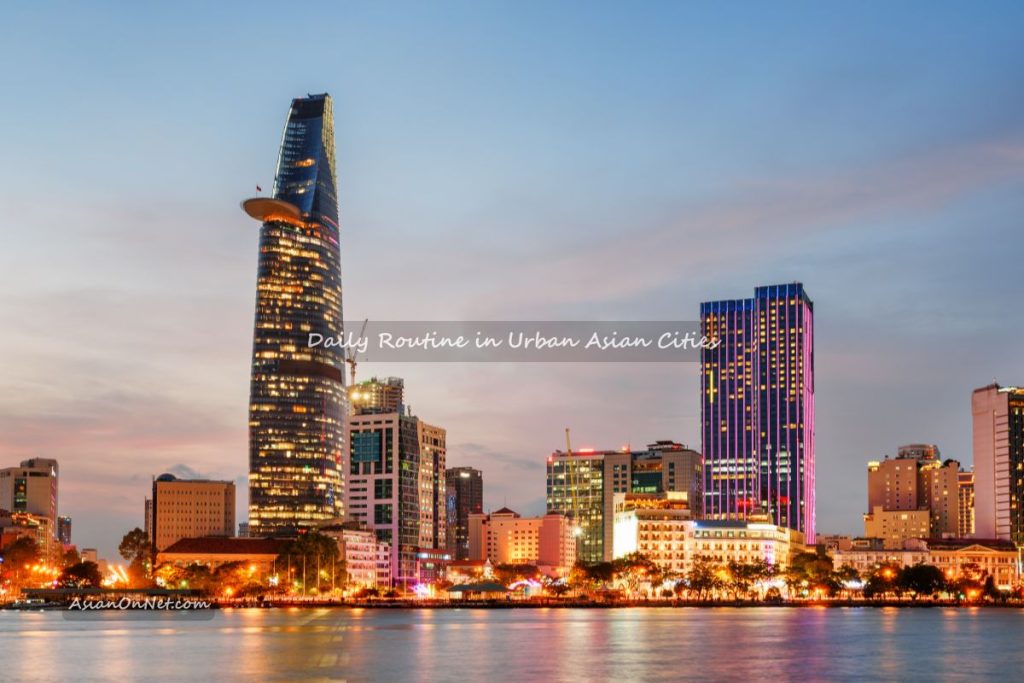
This article takes you hour by hour through everyday life across Asia’s biggest cities, showing not just what people do but how culture, history, and modern pressures shape their patterns. From the morning rush to late-night markets, we’ll explore the balance of tradition and modernity that makes life in Asia both demanding and deeply human.
🌆 “Want to experience Thailand like a local? Don’t miss our guide on The Definitive Guide: Dive Into The Bangkok´s Lifestyle.”
Morning Rush: Waking Up with the City
As dawn breaks, the city hums with energy. Across Asia, mornings reveal a lot about cultural rhythms.
In Tokyo, commuters line up with quiet discipline, boarding trains that leave to the second. In Bangkok, street vendors serve rice porridge or grilled skewers to families on scooters weaving through traffic. In Hanoi, sidewalks transform into open-air kitchens, where steaming bowls of pho fuel workers before a busy day.
The daily routine in urban Asian cities often hinges on one defining factor: the commute. Long hours in traffic jams or standing shoulder-to-shoulder in crowded subways shape the way millions begin their day. In India, dabbawalas deliver home-cooked lunches in Mumbai while mothers prepare children for school. In Manila, jeepneys—colorful shared buses—buzz down the avenues, carrying students and workers alike.
Yet mornings are not only about speed. Many still honor traditions before starting work: Buddhist devotees in Thailand offering alms to monks, Koreans sharing breakfast with family, or city dwellers practicing tai chi in Chinese parks. These rituals remind us that, even in crowded megacities, moments of mindfulness anchor the day.
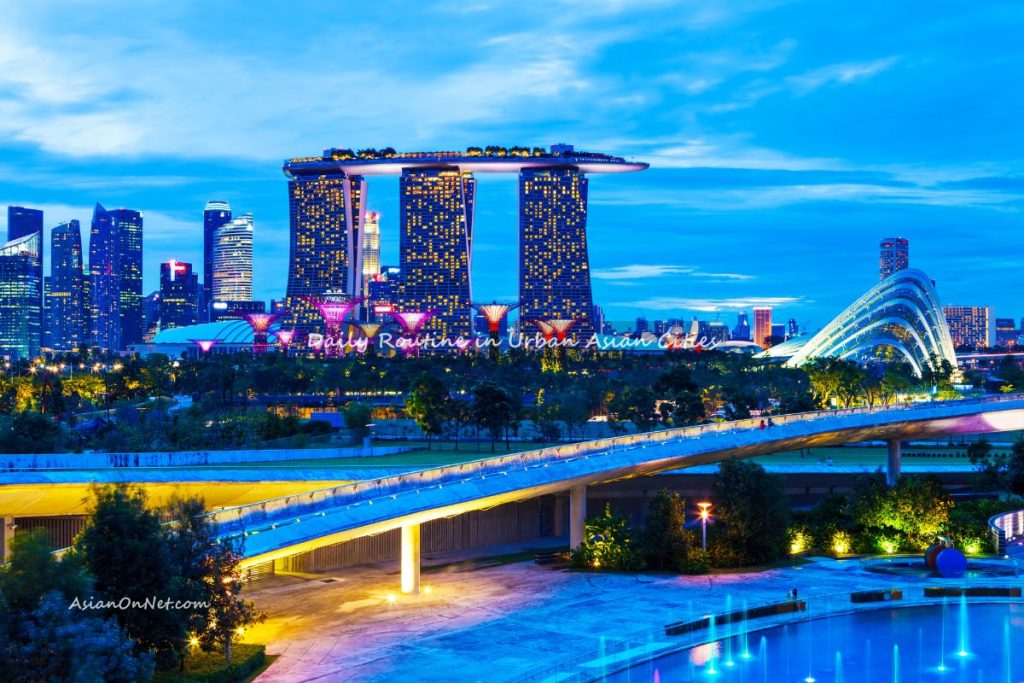
No matter the country, mornings highlight a balance between chaos and calm—a universal theme in the daily routine in urban Asian cities.
🌿 “Dreaming of nature adventures? Don’t miss our guide on **Best Rainforests to Visit in Southeast Asia **.”
Workday Patterns in Asia
Once the morning rush settles, work begins. Office life varies greatly, but certain themes repeat.
In Japan and South Korea, work culture is famously intense. Employees often stay beyond official hours, showing dedication to their companies. In Singapore, precision and efficiency drive office environments. Meanwhile, in Bangalore and Ho Chi Minh City, tech startups and outsourcing hubs foster youthful energy and global connections.
The daily routine in urban Asian cities reflects these work traditions. For many, the day stretches well beyond 9-to-5. In Manila and Jakarta, employees juggle multiple jobs or side hustles. In China’s so-called “996 culture” (9 a.m. to 9 p.m., six days a week), long hours define urban professional life.
But the landscape is changing. Remote work and flexible arrangements are emerging. Co-working cafés in Bangkok, digital nomad hubs in Bali, and startup incubators in Kuala Lumpur are reshaping how younger generations work. This contrast—traditional corporate rigidity vs. modern flexibility—shows how Asia balances heritage with globalization.
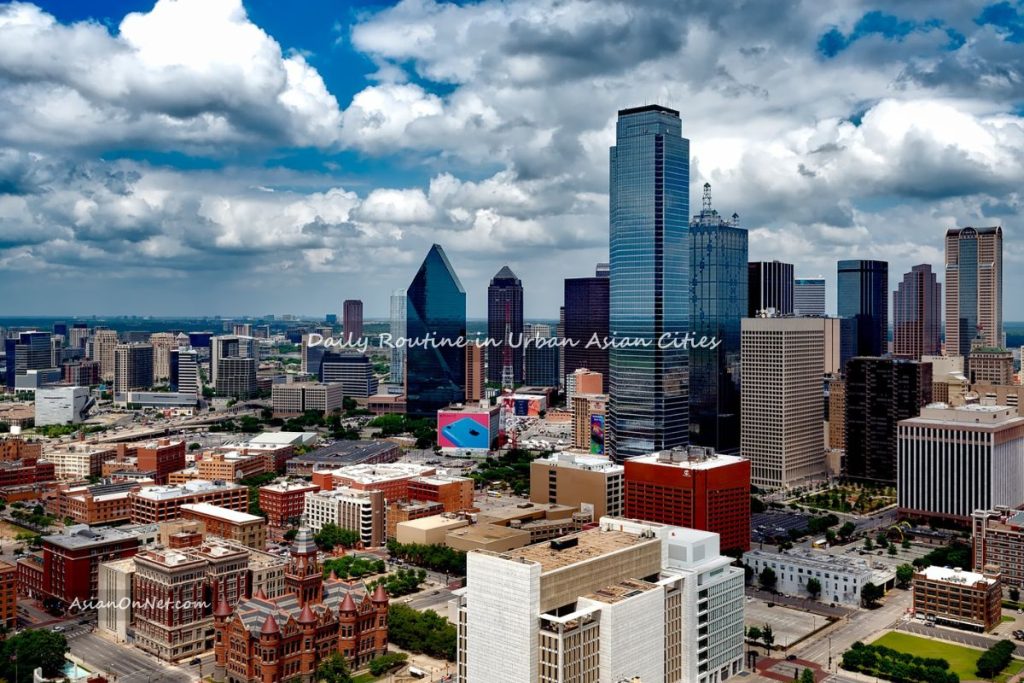
For millions, though, the story is about endurance. Office towers, call centers, and factories all beat to the rhythm of productivity. And through it all, the daily routine in urban Asian cities reminds us that work isn’t just economic survival—it’s also a reflection of cultural values: discipline, family responsibility, and ambition.
Education and Student Life
Education is central to life in Asia, and it deeply influences daily schedules.
In Tokyo, Seoul, and Beijing, school begins early, often with morning assemblies. Students spend long hours in classrooms and then attend after-school programs or cram schools. In India, children juggle heavy workloads, with parents emphasizing academic success as the pathway to stability.
The daily routine in urban Asian cities for students is demanding. South Korean children might finish school at 3 p.m. only to continue studying until late evening in private institutes. In China, students balance competitive academics with extracurricular achievements. In Bangkok or Manila, schools also act as community hubs, where festivals, sports, and family activities intertwine.
Technology plays a growing role: online classes, digital tutoring, and e-learning platforms are becoming normal, especially post-pandemic. Yet the pressure remains: grades and test scores carry heavy weight.
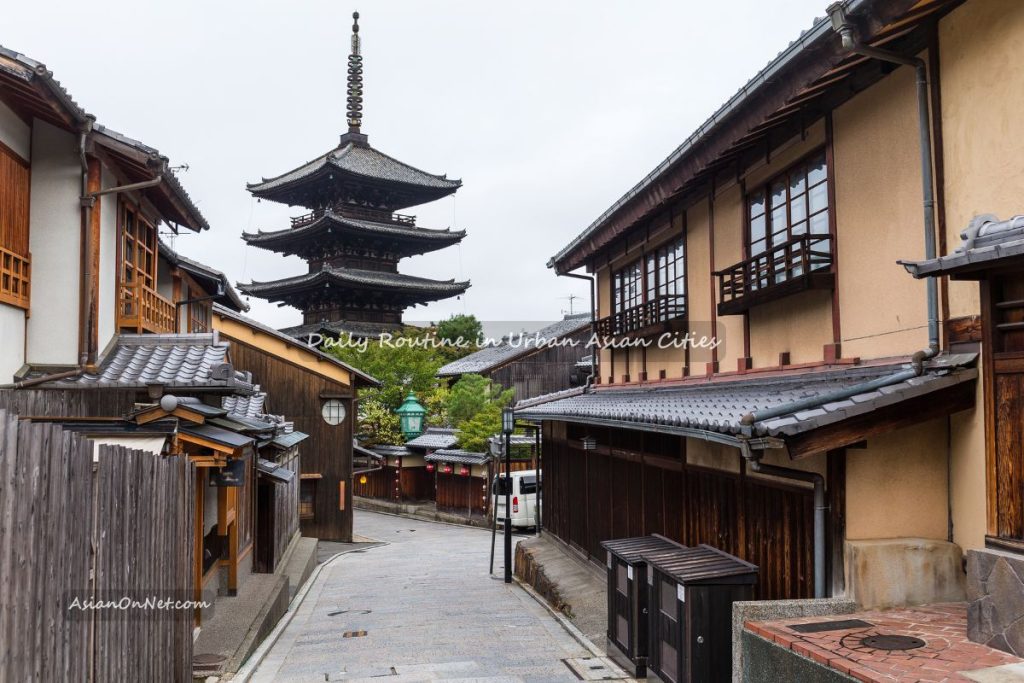
Despite these challenges, student life also includes joy—hanging out in cafés, gaming centers, and parks. These small escapes mirror the broader theme of urban life: balancing tradition and modern expectations within the daily routine in urban Asian cities.
Lunchtime Culture: Flavors of the City
Lunch breaks in Asia are about much more than food. They reflect community, efficiency, and the role of cuisine in identity.
Office workers in Japan crowd into ramen shops; in Thailand, employees flock to street vendors selling curry and rice. In Singapore, hawker centers buzz with stalls offering multicultural flavors. In India, office canteens serve thali meals while dabbawalas deliver hot tiffins packed at home.
Food is a central moment in the daily routine in urban Asian cities. Lunch is often short but sacred—an escape from the pressure of work or study. It also serves as social glue: coworkers bond over shared meals, and friendships are maintained through food rituals.
This midday break captures the heart of Asia’s food culture: fast, flavorful, and community-driven.
Afternoon Flow: Balancing Work, Errands, and Leisure
As the day stretches on, energy dips—but cities keep buzzing.
In offices, productivity slows after lunch. Workers often grab coffee, tea, or small snacks to recharge. In some places, such as India or Indonesia, afternoon tea breaks are cultural traditions.
The daily routine in urban Asian cities also involves errands. People squeeze in grocery runs, banking, or online shopping deliveries. Malls and convenience stores play a huge role in this part of the day—offering everything from bill payments to household essentials.
Leisure, too, is important. Gaming cafés in Seoul, manga cafés in Tokyo, and karaoke spots in Manila attract young crowds. Social media browsing and online entertainment also define this part of urban life, especially for the younger generation.
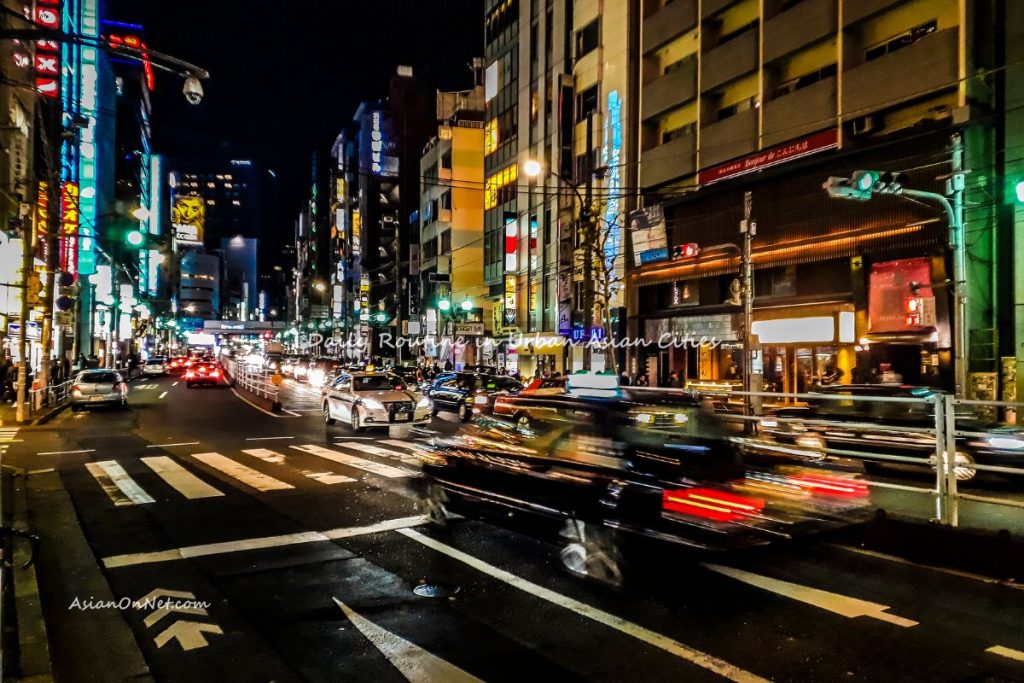
Afternoons show a softer side of the city: moments of rest in the middle of relentless speed.
Evening Commutes & Family Time
The sun sets, but the city doesn’t slow down—it transforms.
Commutes can be exhausting. Tokyo’s rush-hour trains pack commuters like sardines. In Bangkok and Jakarta, traffic jams stretch for hours. Workers listen to podcasts, scroll through their phones, or simply endure the journey home.
Once home, family becomes central. In India, extended families gather around dinner tables. In Thailand, meals are often shared at night markets or street stalls. In South Korea, families may eat together late at night, balancing long work hours.
The daily routine in urban Asian cities often ends with these family rituals. Dinner is not just food but storytelling, bonding, and connection. For many, evenings are the only chance to reconnect before another busy day begins.
This rhythm—commute, dinner, bonding—cements the role of family as the anchor of urban life.
Nightlife and City Lights
Not everyone heads home. For some, evenings are just beginning.
Night markets in Taipei, Kuala Lumpur, and Bangkok keep cities alive until dawn. Karaoke bars in Japan, teahouses in China, and pubs in Seoul offer escape. Youth flock to malls, cinemas, and cafés, while professionals unwind with colleagues.
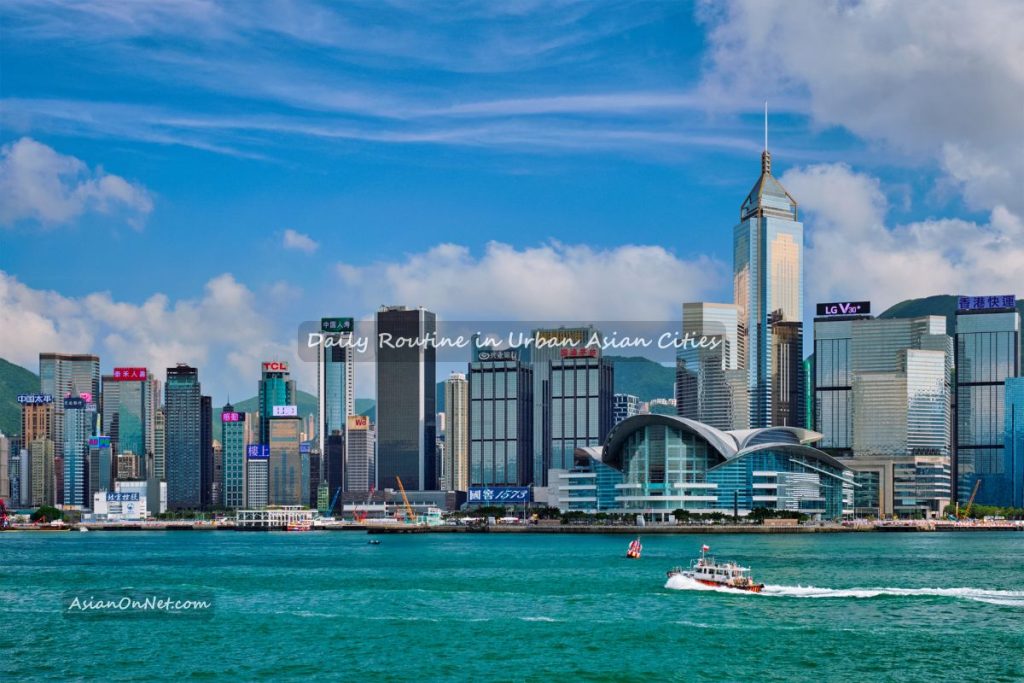
This layer of the daily routine in urban Asian cities shows diversity. For some, nightlife is relaxation; for others, it’s networking and professional obligation. Work culture often extends into social drinking sessions in places like Tokyo or Seoul.
The nightlife pulse reflects ambition, entertainment, and the search for release from daily pressures.
Challenges of Urban Daily Routine
While vibrant, life in Asia’s cities isn’t easy.
Crowded transport, pollution, high living costs, and long hours take a toll. Many juggle multiple responsibilities: professional work, family obligations, and social expectations. Stress, burnout, and lack of work-life balance are common struggles.
The daily routine in urban Asian cities highlights both resilience and hardship. From factory workers to office professionals, endurance defines much of daily existence. Yet communities adapt, finding joy in small rituals like food, family, and cultural traditions.
Conclusion: Shared Patterns, Unique Flavors
Every city tells its own story. Yet across Tokyo, Mumbai, Bangkok, Seoul, and beyond, shared themes emerge: early mornings, demanding work, strong family ties, and vibrant nightlife.
The daily routine in urban Asian cities blends modern pressures with deep traditions. What stands out is resilience: despite traffic jams, long hours, and crowded spaces, people carve out moments of joy through food, family, and culture.
Urban Asia is not just about skylines and economies—it’s about people finding meaning in ordinary rhythms.
FAQ Section
What defines the daily routine in urban Asian cities?
A: It usually includes early mornings, long commutes, intensive work or study hours, community-focused meals, and evenings spent with family or nightlife.
How does commuting shape the daily routine in urban Asian cities?
A: Commuting is central—whether through crowded subways in Tokyo, scooters in Bangkok, or trains in Mumbai. It sets the rhythm for the day and often consumes hours of time.
How do students experience the daily routine in urban Asian cities?
A: Students face long school hours and additional tutoring. Their schedules reflect cultural values of discipline and achievement, often leaving little free time.
How is food part of the daily routine in urban Asian cities?
A: Food is both fuel and social connection—street vendors, hawker centers, family dinners, and night markets all play vital roles in urban life.
What challenges affect the daily routine in urban Asian cities?
A: Overcrowding, pollution, long hours, and rising costs make life difficult. Yet people balance these struggles with traditions and social rituals.