






- Introduction
- Why Streaming Is Growing Across Asia
- Mobile-First Viewing Is A Major Habit
- Short-Form Video Is Shaping Entertainment
- Local Content Still Matters
- Asian Entertainment Is Becoming More Global
- Social Media Influences What People Watch
- Creator Culture Is Becoming More Important
- Streaming Subscriptions And Free Platforms Coexist
- Live Streaming Adds Real-Time Connection
- Music And Video Platforms Are Closely Connected
- Gaming And Digital Entertainment Are Overlapping
- Language And Subtitles Help Content Travel
- Families Watch In Different Ways
- What These Trends Mean For Viewers
- What These Trends Mean For Creators
- Common Mistakes When Understanding Asian Media Trends
- Conclusion
- FAQ
- What are Streaming And Digital Media Trends In Asia?
- Why is mobile viewing important in Asia?
- Is local content still popular in Asia?
- Why are short videos popular?
- Do people still watch long-form content?
- How does social media affect streaming?
- Why are subtitles important?
- What should creators learn from these trends?
Introduction
Streaming And Digital Media Trends In Asia are changing how people watch shows, follow creators, listen to music, enjoy live events, and connect with pop culture. Across the region, audiences are moving between streaming platforms, social media, mobile apps, short videos, online communities, and local entertainment services every day.
Asia is not one single media market. Viewer habits in Japan, South Korea, Thailand, India, Indonesia, China, Vietnam, the Philippines, Malaysia, and Singapore can be very different. However, many countries share similar patterns: mobile viewing is strong, local content matters, short-form video is growing, and audiences expect flexible digital entertainment.
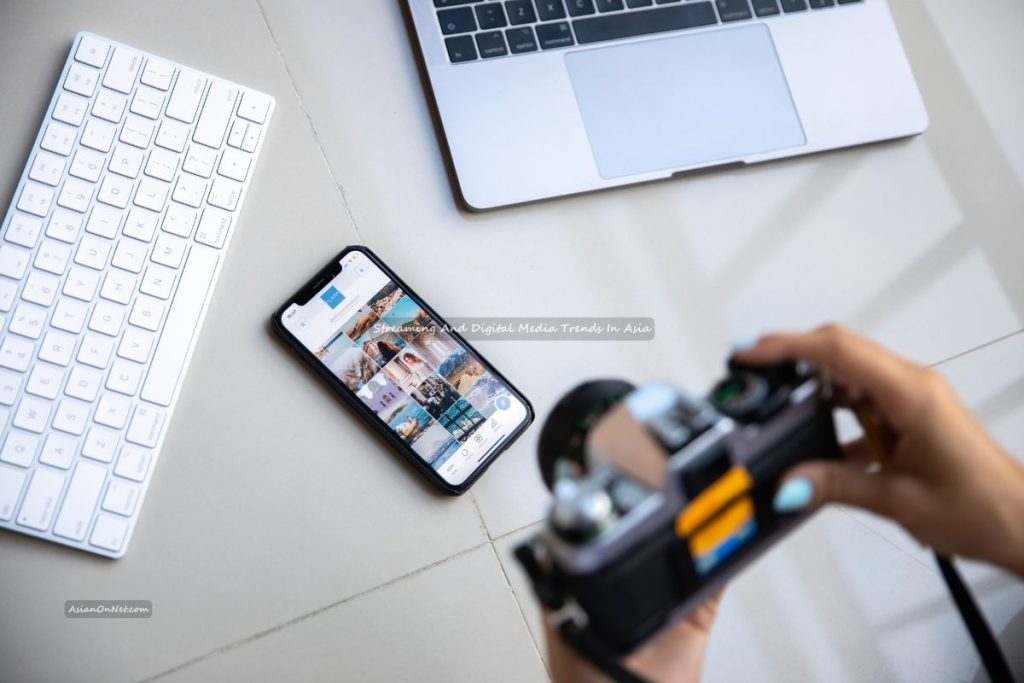
This guide explains Streaming And Digital Media Trends In Asia in a simple way, including mobile-first viewing, local stories, short-form content, social media influence, paid subscriptions, creator culture, and how Asian entertainment is reaching global audiences.
👉 “Streaming and digital media also help preserve cultural performances, and readers may enjoy learning about The Art of Thai Traditional Dance.”
Why Streaming Is Growing Across Asia
Streaming has become popular in Asia because it is flexible and easy to access. Viewers no longer need to wait for a fixed TV schedule. They can watch dramas, films, music videos, sports clips, documentaries, anime, variety shows, and creator content when it suits them.
Smartphones, faster internet, affordable data packages, and digital payment options have helped more people access entertainment online. For many users, a phone is the main screen for watching content, especially in busy cities and younger audiences.
This is one reason Streaming And Digital Media Trends In Asia are strongly connected to mobile habits. Entertainment is no longer limited to the living room. It follows people on commutes, during breaks, at cafés, at school, at work, and at home.
Mobile-First Viewing Is A Major Habit
One of the clearest changes in Asian digital media is mobile-first viewing. Many people use smartphones to watch short clips, full episodes, live streams, music videos, news updates, and social entertainment.
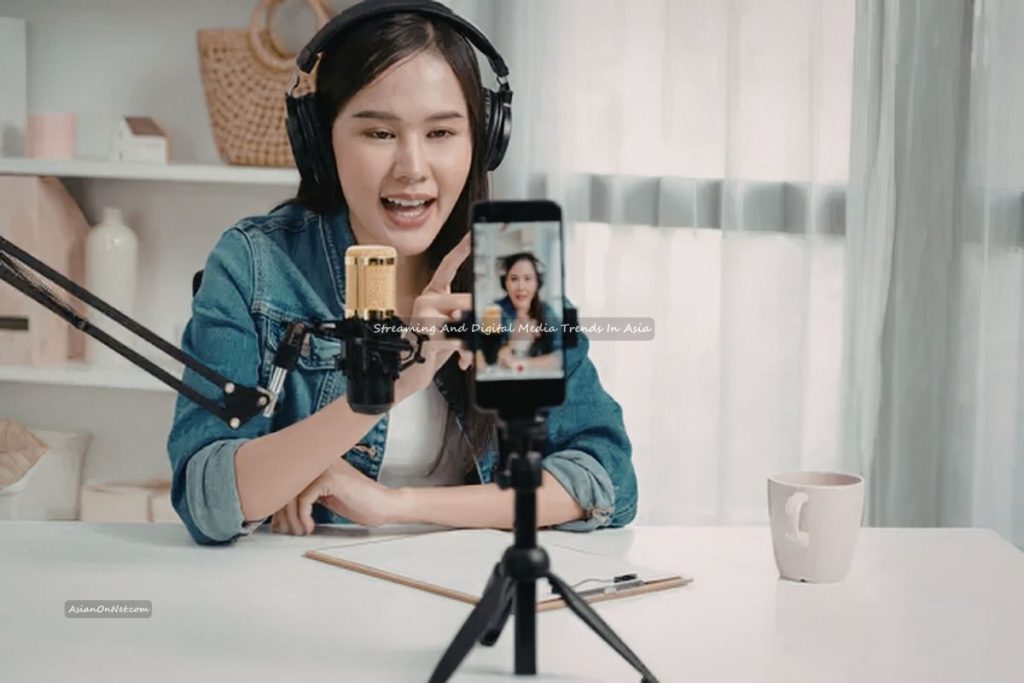
This has changed how content is made. Videos are often shorter, faster, more visual, and easier to watch without a large screen. Subtitles, vertical video, quick previews, and short highlights have become more important.
For media companies, mobile-first behavior means content must be easy to discover, easy to share, and easy to continue watching later. A show may start on a streaming platform, become popular through clips on social media, and then turn into a larger cultural trend.
Short-Form Video Is Shaping Entertainment
Short-form video has become one of the strongest digital habits in Asia. Many viewers discover songs, shows, actors, food trends, fashion styles, travel ideas, and news topics through short clips before watching longer content.
This does not mean long-form content is disappearing. Instead, short videos often work as a doorway. A 30-second clip can introduce a drama, a music performance, a comedy scene, or a creator. If viewers like it, they may search for the full episode, playlist, or channel.
Short-form video is also important for younger audiences because it fits quick daily routines. It is easy to watch, easy to share, and easy to discuss with friends.
Local Content Still Matters
Even though global platforms are popular, local content remains very important in Asia. Viewers often want stories in their own language, with familiar humor, family situations, social issues, food, music, and cultural details.
Korean dramas, Japanese anime, Thai dramas, Indian films, Chinese variety shows, Filipino entertainment, Indonesian creators, and Vietnamese digital content all show how strong local and regional storytelling can be.
This is an important part of Streaming And Digital Media Trends In Asia. Audiences may enjoy global entertainment, but they still connect deeply with stories that reflect their own culture and daily life.
Asian Entertainment Is Becoming More Global
Asian entertainment is no longer only regional. Korean pop music, Japanese anime, Thai series, Indian films, Chinese dramas, and Southeast Asian creators now reach viewers around the world.
Streaming platforms and social media have made this easier. A show can become popular in one country and then spread internationally through subtitles, fan edits, reaction videos, online discussions, and recommendation algorithms.
This global reach is changing how Asian media is produced. Creators and studios may think about both local viewers and international audiences. At the same time, the most successful content often keeps a strong cultural identity rather than trying to feel too generic.
Social Media Influences What People Watch
Social media has become a powerful discovery tool for entertainment. Many people decide what to watch after seeing clips, memes, reviews, reactions, or recommendations from friends and creators.
A drama scene, song performance, funny moment, or emotional quote can spread quickly online. This can push viewers toward a full series, film, playlist, or artist profile.
For this reason, digital media is no longer only about publishing content. It is also about conversation. Comments, shares, fan communities, live chats, and creator reactions can turn entertainment into a shared experience.
Creator Culture Is Becoming More Important
Creators are now a major part of Asian digital media. They produce videos, podcasts, livestreams, tutorials, reviews, comedy sketches, travel content, beauty advice, food videos, gaming content, and lifestyle stories.
Many audiences trust creators because they feel more personal than traditional media. A creator may speak directly to viewers, answer comments, show daily life, and build a loyal community.
This trend also gives smaller voices a chance to grow. A person with a phone and a clear idea can reach an audience without needing a large TV studio or production company.
Streaming Subscriptions And Free Platforms Coexist
Paid streaming services are popular in many parts of Asia, but free or ad-supported platforms are also important. Some viewers subscribe to one or two services, while others rely more on free video apps, social media, or broadcaster platforms.
Subscription fatigue can happen when users feel there are too many paid services. Because of this, people may cancel, switch, share with family, or choose platforms based on specific shows.
This creates a competitive market. Platforms need strong content, fair pricing, local language support, easy payment options, and good mobile experiences to keep users engaged.
Live Streaming Adds Real-Time Connection
Live streaming is another important trend in Asia. It is used for concerts, gaming, shopping, education, interviews, religious events, sports discussions, and creator Q&A sessions.
Live content feels different from recorded video because viewers can react in real time. They can comment, send questions, join polls, or feel part of a shared moment.
For creators and brands, live streaming builds trust and energy. For audiences, it creates a feeling of closeness, especially when they can interact directly with the host.
Music And Video Platforms Are Closely Connected
Music discovery in Asia is closely linked to video. A song may become popular because of a dance trend, drama soundtrack, short video challenge, concert clip, or fan edit.
Artists no longer rely only on radio, TV, or album sales. They also grow through streaming platforms, video apps, social media, and fan communities.
This connection between music and video is one of the most visible Streaming And Digital Media Trends In Asia. A song can travel across borders quickly when it connects with the right visual moment.
Gaming And Digital Entertainment Are Overlapping
Gaming is also part of digital media culture in Asia. Many viewers watch game streams, esports events, gaming highlights, and creator commentary. For some audiences, watching games is as normal as watching a TV show.
Gaming culture also connects with music, fashion, animation, livestreaming, and online communities. Esports events can feel like entertainment festivals, while game characters may become part of wider pop culture.
This overlap shows that digital media is becoming less separated. Viewers may move from a game stream to a music video, then to a drama clip, then to a creator livestream in the same evening.
Language And Subtitles Help Content Travel
Subtitles and dubbing are important for Asian streaming. They help viewers enjoy content from other countries and make regional entertainment more accessible.
For example, a viewer in Thailand may watch Korean dramas, Japanese anime, Chinese series, or Indian films with subtitles. International viewers may also discover Thai, Korean, Japanese, or Indian content through translated versions.
Good subtitle quality matters because it affects how people understand humor, emotion, culture, and story details. Poor translation can make good content harder to enjoy.
Families Watch In Different Ways
Digital media habits can vary within the same home. Parents may watch news, dramas, or cooking shows. Children may watch cartoons, educational videos, or gaming content. Teenagers may follow creators, music, anime, or short-form trends.
This means streaming platforms need different types of content for different age groups. Family controls, kid-friendly profiles, language options, and safe content settings have become more important.
For families, the best approach is to balance entertainment with healthy screen habits. Streaming can be fun and useful, but it should fit into daily life in a healthy way.
What These Trends Mean For Viewers
For viewers, the biggest benefit is choice. People can watch more types of content, discover new cultures, follow creators, learn skills, and enjoy entertainment from across Asia and beyond.
However, too much choice can also feel overwhelming. Viewers may spend more time searching than watching. They may also feel pressure to follow every trend, subscribe to many services, or keep up with online discussions.
A simple solution is to choose platforms and content that match your real interests. You do not need to follow every trend to enjoy digital media.
What These Trends Mean For Creators
For creators, Streaming And Digital Media Trends In Asia bring many opportunities. Creators can reach audiences through short videos, long-form content, live streams, podcasts, social media, and community platforms.
However, competition is strong. Good creators need clear topics, consistent posting, strong storytelling, audience understanding, and trust. They also need to adapt to changing platform habits without losing their own voice.
The creators who often stand out are those who understand both local culture and digital behavior. They know how to make content feel personal, useful, entertaining, and easy to share.
Common Mistakes When Understanding Asian Media Trends
One common mistake is treating Asia as one single audience. The region is diverse, and each country has its own languages, platforms, cultures, regulations, and viewing habits.
Another mistake is assuming that global platforms always dominate. In many places, local platforms, local creators, and regional entertainment remain very strong.
A third mistake is thinking short-form content replaces everything else. In reality, short videos, long dramas, films, live streams, music, and creator content often support each other.
👉 “Streaming often connects closely with music, dramas, creators, and online trends, so readers may also enjoy this guide to What To Know About Pop Culture In Asia.”
Conclusion
Streaming And Digital Media Trends In Asia show how quickly entertainment is changing. Mobile-first viewing, short-form video, local stories, creator culture, subtitles, live streaming, and global interest in Asian content are all shaping the way people watch and share media.
For viewers, these trends mean more choice and easier access to entertainment from many countries. For creators and media companies, they mean more opportunities but also more competition.
The most important thing to remember is that Asia is diverse. The strongest digital media trends often succeed because they respect local culture while using modern platforms to reach wider audiences. That balance is what makes Asian streaming and digital media so exciting today.
FAQ
What are Streaming And Digital Media Trends In Asia?
Streaming And Digital Media Trends In Asia include mobile viewing, short-form video, local content, live streaming, creator culture, subtitles, paid platforms, free platforms, and global interest in Asian entertainment.
Why is mobile viewing important in Asia?
Mobile viewing is important because many people use smartphones as their main screen for entertainment, social media, music, short videos, and live content.
Is local content still popular in Asia?
Yes. Local dramas, films, music, anime, variety shows, creators, and cultural stories remain very important across Asian markets.
Why are short videos popular?
Short videos are easy to watch, share, and discover. They help people find songs, shows, creators, and trends quickly.
Do people still watch long-form content?
Yes. Short videos often help people discover long-form content such as dramas, films, documentaries, and full episodes.
How does social media affect streaming?
Social media helps people discover what to watch through clips, memes, reviews, reactions, fan edits, and recommendations.
Why are subtitles important?
Subtitles help content travel across countries and languages, making Asian dramas, anime, films, and creator content easier for wider audiences to enjoy.
What should creators learn from these trends?
Creators should understand local culture, mobile habits, short-form discovery, audience trust, and the importance of consistent, useful, and shareable content.