





- Introduction
- Understanding Asian Family Values
- Navigating Asian Family Traditions
- Raising Kids in Asia – Tips and Ideas
- Navigating Asian Family Dynamics
- Child-Friendly Activities in Asia
- Tips for a Smooth Family Life in Asia
- Conclusion
- FAQ
- Why is simple guide to family life in asia useful?
- How can beginners use simple guide to family life in asia?
- What are some cultural differences I should be aware of when raising a family in Asia?
- How do I balance traditional values with modern parenting techniques in Asia?
- What are some kid-friendly activities I can do with my family in Asia?
- How do I navigate the healthcare system in Asia as a foreign parent?
- What are some tips for teaching children about Asian traditions and customs?
- Can I expect any unique challenges when parenting in Asia?
- How do I find community and support as a foreign parent in Asia?
- What are some common health concerns for children in Asia?
- Can I expect any differences in parenting styles between Asian cultures?
Introduction
simple guide to family life in asia is the main topic of this guide, and the article explains it with practical details, useful examples, and beginner-friendly advice.
Living in Asia can be a truly enriching experience, especially when it comes to family life. With its diverse cultures and traditions, each country offers a unique perspective on what it means to build strong, loving families. From the bustling streets of Tokyo to the tranquil temples of Bali, every corner of Asia is steeped in history and customs that can shape your family’s lifestyle.
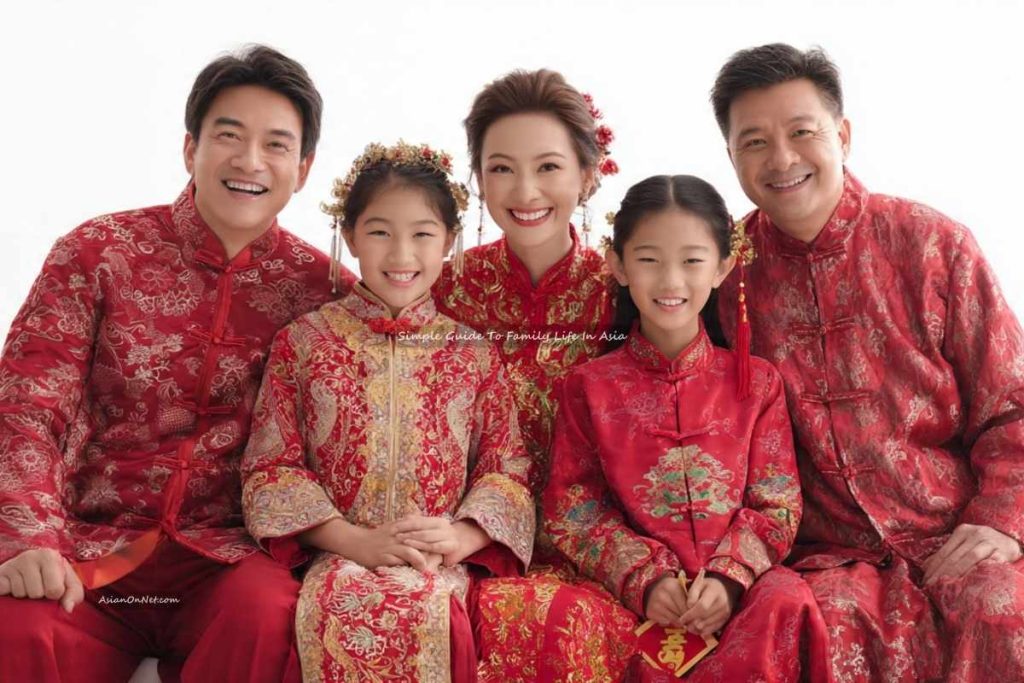
However, navigating the complexities of Asian culture as a parent or partner can be daunting, especially for those new to the region. This simple guide to family life in Asia aims to provide practical advice and helpful tips for building a harmonious and fulfilling family life in this vibrant continent.
Whether you’re an expat looking to start a new chapter with your loved ones or a local seeking to enhance your parenting skills, this guide is designed to offer you the tools and insights needed to thrive in Asian society. In this first part of our journey together, we’ll explore some essential aspects of family life in Asia that every parent should know.
👉 “Families interested in everyday wellbeing may also find useful ideas in this guide to Raising Healthy Kids.”
Understanding Asian Family Values
In many Asian cultures, family ties are considered paramount, with respect for elders and tradition playing a significant role in shaping daily life. For example, in Japan, the concept of “wa” (harmony) emphasizes the importance of group cohesion and social harmony, while in India, the traditional joint family system is still prevalent in many parts of the country.
As you navigate your own family’s lifestyle in Asia, it’s essential to understand these cultural nuances. By embracing Asian values such as filial piety, respect for authority, and community involvement, you can build stronger bonds with your loved ones and create a more harmonious home environment.
In our next section, we’ll delve into the world of kids’ activities in Asia, exploring fun and engaging ideas to keep your little ones entertained and happy.
Navigating Asian Family Traditions
One of the most significant aspects of family life in Asia is the emphasis on respect for tradition and cultural heritage. In many Asian countries, family traditions are deeply ingrained and play a vital role in shaping family values and customs.
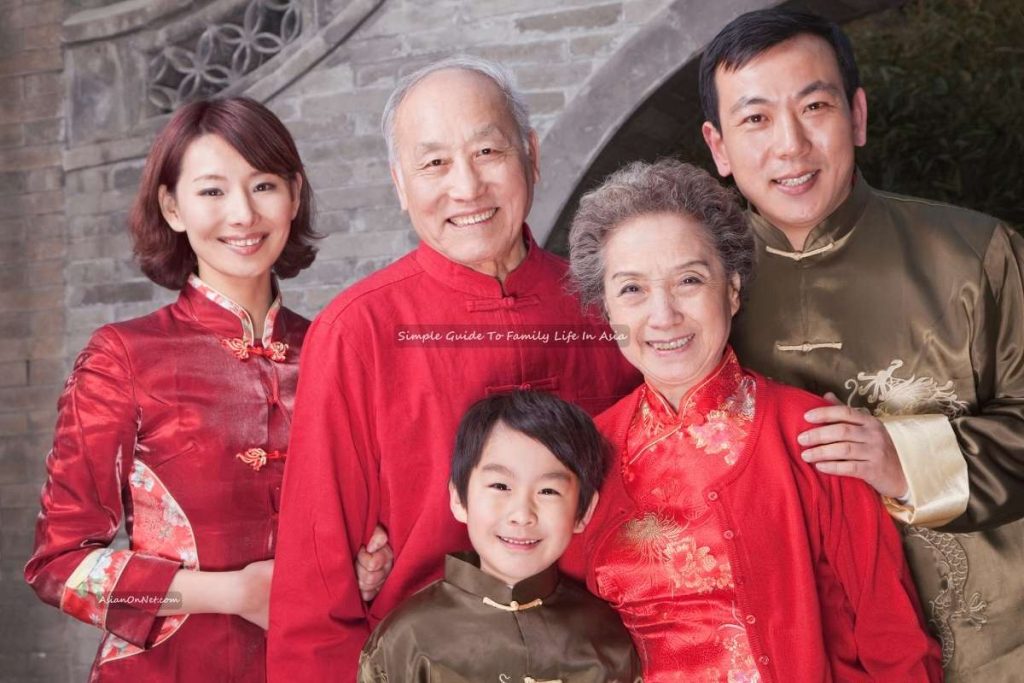
In Japan, for example, the concept of “wa” (harmony) is deeply rooted in family life. This means that family members prioritize unity and cooperation over individual interests. To navigate this tradition, it’s essential to understand the importance of respect for elders and the role of family hierarchy.
In China, the concept of “filial piety” is also highly valued. This refers to the duty of children to care for their aging parents. To demonstrate filial piety, families often come together to celebrate traditional holidays like the Chinese New Year or Dragon Boat Festival.
Step-by-Step Guide to Understanding Asian Family Traditions
Here are some practical tips for understanding and navigating Asian family traditions:
- Research the specific tradition you’re interested in learning about. For example, if you’re interested in Japanese culture, learn about the concept of “omotenashi” (hospitality) and how it’s practiced in everyday life.
- Observe and participate in family gatherings and celebrations. This will give you a deeper understanding of the tradition and its significance to the family.
- Ask questions politely and respectfully. If you’re unsure about a particular custom or tradition, don’t be afraid to ask your host or family member for clarification.
By taking these steps, you’ll be better equipped to navigate Asian family traditions and build stronger relationships with your hosts and their families.
Raising Kids in Asia – Tips and Ideas
Raising kids in Asia can be a unique and rewarding experience. From outdoor playdates to cultural festivals, there are countless ways to keep your little ones engaged and entertained.
In many Asian countries, outdoor play is highly valued. For example, in Singapore, children love playing at the nearby parks or beaches during school holidays.
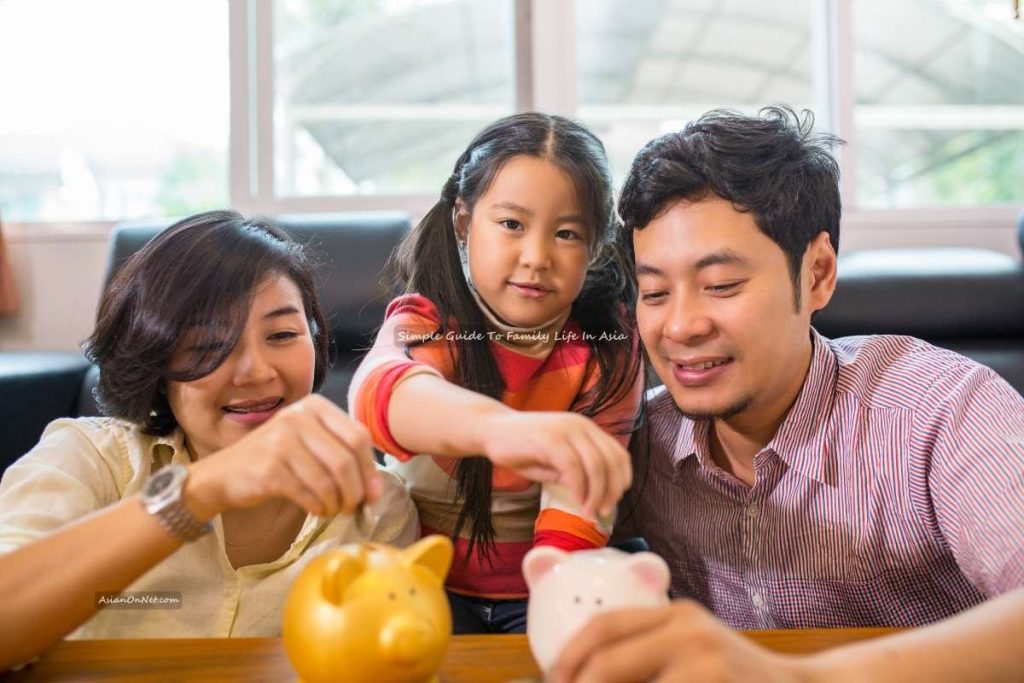
Another great way to engage kids with local culture is through traditional activities like calligraphy, martial arts, or cooking classes. These activities not only teach valuable skills but also introduce your child to new traditions and customs.
Child-Friendly Ideas for Raising Kids in Asia
Here are some more ideas for raising kids in Asia:
- Visit local markets or bazaars with your child. This is a great way to introduce them to new sights, sounds, and smells.
- Take a cooking class together. Many Asian countries offer cooking classes specifically designed for families.
- Attend cultural festivals and events. These are often kid-friendly and provide a unique opportunity to experience local traditions firsthand.
By incorporating these activities into your daily routine, you’ll be giving your child a well-rounded education that combines Western values with Asian culture and traditions.
Navigating Asian Family Dynamics
When moving to Asia with family, navigating the local culture and customs can be overwhelming. Understanding how to interact with your extended family, colleagues, and neighbors is crucial for a smooth transition. In many Asian cultures, respect for elders and tradition plays a significant role in daily life.
Respecting Elders
In many Asian societies, elderly individuals are revered for their wisdom and experience. When interacting with older relatives, it’s essential to show respect through various gestures, such as:
- Greeting them with a bow or a handshake, depending on the culture
- Using honorific titles, such as “aunt” or “uncle”
- Offering food or tea as a sign of respect
By understanding and respecting these cultural norms, you can build stronger relationships with your Asian family and colleagues.
Child-Friendly Activities in Asia
Asia offers a diverse range of child-friendly activities that cater to different interests and ages. From theme parks to outdoor games, there’s something for every type of family.
Outdoor Games and Sports
Many Asian cities have public parks or playgrounds where kids can burn off energy while enjoying the outdoors. Some popular outdoor games include:
- Tag and hide-and-seek in Singapore’s Gardens by the Bay
- Playing soccer in Tokyo’s Yoyogi Park
- Exploring the mangrove forests of Kuala Lumpur’s Taman Negara National Park
In addition to outdoor games, many Asian cities also have indoor play centers and theme parks that offer a range of activities, such as laser tag, trampolining, and virtual reality experiences.
Tips for a Smooth Family Life in Asia
Planning ahead is crucial when moving to a new country with family. Researching the local culture, customs, and way of life can help you prepare your children for their new environment. Understanding the Asian lifestyle will also enable you to make informed decisions about education, healthcare, and extracurricular activities.
Here are some additional tips to consider:
- Research schools: Look into different types of schools in Asia, such as international schools, local public schools, and private schools. Consider factors like curriculum, teaching style, and extracurricular opportunities.
- Understand healthcare options: Familiarize yourself with the local healthcare system, including hospitals, clinics, and medical facilities. Some countries may have specific requirements for health insurance or vaccinations.
- Plan for childcare: If you plan to work, research childcare options like daycare centers, nanny services, or family-friendly workplaces.
- Learn about local customs: Understanding Asian traditions and customs will help you navigate everyday situations, such as dining etiquette, gift-giving, and social interactions.
Additionally, consider the following tips to ensure a smooth transition for your children:
- Get familiar with local transportation: Research public transportation options, bike lanes, or walking routes to school.
- Find child-friendly activities: Look into local parks, playgrounds, and recreational facilities that cater to families with young children.
- Connect with expat communities: Join online forums, social media groups, or attend expat events to connect with other families who have made the move.
By doing your research and planning ahead, you can set yourself up for success in Asia. Remember to stay flexible and open-minded, as every experience will be unique.
👉 “Family life is often shaped by values passed down over time, including Traditional Asian Parenting.”
Conclusion
Family life in Asia is shaped by strong traditions, respect for elders, community values, education, food, celebrations, and daily routines. For families moving to Asia or trying to understand Asian culture more deeply, these values can offer a rich and meaningful way to build stronger family connections.
At the same time, every country and family is different. Parenting styles, school systems, healthcare, childcare, and social expectations can vary widely across Asia. That is why it is important to stay open-minded, ask respectful questions, and learn from the local culture around you.
By understanding Asian family values, planning ahead, finding child-friendly activities, and connecting with local or expat communities, families can create a smoother and more enjoyable life in Asia. With patience, respect, and flexibility, family life in Asia can become a rewarding experience filled with learning, connection, and cultural discovery.
FAQ
Why is simple guide to family life in asia useful?
simple guide to family life in asia is useful because it gives readers a clear starting point and helps them understand the topic step by step.
How can beginners use simple guide to family life in asia?
Beginners can use simple guide to family life in asia by starting with simple tips, learning the basic ideas, and applying them gradually.
What are some cultural differences I should be aware of when raising a family in Asia?
Raising a family in Asia can be a rewarding experience, but it’s essential to understand the local culture and customs. For example, in some Asian countries, it’s customary to show respect to elders by using honorific titles or bowing upon greeting. Additionally, mealtime is often seen as an opportunity for bonding and sharing stories, so be prepared to engage with your family over a meal.
How do I balance traditional values with modern parenting techniques in Asia?
Balancing tradition and modernity can be challenging, but it’s not impossible. Many Asian families value education and personal development, so encourage your children to explore their interests and pursue their passions. At the same time, respect for elders and tradition is still important, so find ways to incorporate these values into your daily life.
What are some kid-friendly activities I can do with my family in Asia?
Asia offers a wealth of exciting activities for families to enjoy together. Consider visiting theme parks, national parks, or cultural festivals. Many cities also have children’s museums, zoos, and aquariums that offer interactive exhibits and hands-on learning experiences.
How do I navigate the healthcare system in Asia as a foreign parent?
Navigating the healthcare system in Asia can be overwhelming, but it’s essential to take care of your family’s health. Research local hospitals and medical facilities, and consider investing in travel insurance that covers medical expenses. Additionally, many Asian countries have excellent public health systems, so don’t hesitate to seek medical attention if you or your child needs it.
What are some tips for teaching children about Asian traditions and customs?
Teaching children about Asian traditions and customs can be a great way to promote cultural understanding and respect. Start by introducing them to traditional foods, clothing, and celebrations. You can also involve them in family activities, such as cooking or participating in cultural festivals.
Can I expect any unique challenges when parenting in Asia?
Yes, there are several unique challenges that parents may face when raising a family in Asia. For example, some countries have strict laws around children’s education and behavior, so be prepared to adapt your parenting style accordingly. Additionally, cultural differences can sometimes lead to misunderstandings or conflicts, so it’s essential to stay patient and flexible.
How do I find community and support as a foreign parent in Asia?
Finding community and support as a foreign parent in Asia can be challenging, but there are many resources available. Look for expat groups, online forums, or social media communities that cater to international families. You can also attend local events, join clubs or organizations, or volunteer for causes you care about.
What are some common health concerns for children in Asia?
Children in Asia may be more susceptible to certain health concerns, such as respiratory infections, allergies, and skin conditions. Regular check-ups with your child’s doctor, practicing good hygiene, and taking preventative measures like vaccination can help mitigate these risks.
Can I expect any differences in parenting styles between Asian cultures?
Yes, there are some differences in parenting styles between Asian cultures. For example, in some countries, children are expected to respect their elders and follow rules without question. In other countries, parents may be more hands-on and involved in their child’s daily life. Understanding these cultural nuances can help you navigate different parenting styles and find what works best for your family.