




- Introduction
- Why Asia Works Well For Family Travel
- Interactive Museums
- Science Centres
- Theme Parks
- Water Parks
- Indoor Playgrounds
- Aquariums
- Zoos And Wildlife Attractions
- Farm Visits
- Beaches And Island Activities
- Nature Walks
- Botanical Gardens
- Public Parks And Playgrounds
- Cultural Workshops
- Cooking Classes
- Local Food Markets
- Traditional Performances
- Temple And Heritage Visits
- Train Journeys
- Boat Trips
- Cycling Activities
- Crafts And Souvenir Making
- Family-Friendly Festivals
- Rainy-Day Activities
- Free And Low-Cost Activities
- Choosing Activities By Age
- Planning A Balanced Family Day
- Transport Tips
- Food Tips For Families
- Heat And Sun Protection
- Safety And Comfort
- Respectful Family Travel
- Common Mistakes To Avoid
- A Simple Family Activity Plan
- Conclusion
- FAQ
- What Are The Best Kids Activities In Asia?
- Which Asian Destinations Are Good For Families?
- Are There Free Kids Activities In Asia?
- What Can Families Do On Rainy Days?
- Are Asian Theme Parks Suitable For Young Children?
- Are Wildlife Attractions Safe For Children?
- What Should Families Pack For A Day Out?
- How Many Activities Should A Family Plan Each Day?
- Are Cooking Classes Suitable For Children?
- How Can Parents Make Cultural Activities More Interesting?
Introduction
Asia offers an enormous variety of experiences for families. Children can explore interactive museums, enjoy theme parks, visit beaches, join craft workshops, discover wildlife, try new foods, and learn about different cultures.
The best kids activities in Asia are not always the biggest or most expensive attractions. A short boat ride, a local market visit, a train journey, a quiet park, or a simple cooking activity can become one of the most memorable parts of a family holiday.
Every country and city offers something different. Singapore is known for organised family attractions and easy transport, Japan combines modern entertainment with cultural experiences, and Thailand offers beaches, nature, food, and indoor family activities. Official tourism guides for Singapore, Japan, and Thailand all highlight experiences designed for families and children.
This guide explains some of the best kids activities in Asia, how to choose suitable experiences, and how to keep family travel comfortable. It covers indoor attractions, outdoor adventures, cultural activities, animals, food, beaches, transport, and practical planning.
👉 “Families looking for weather-friendly activity ideas may also explore these indoor family activities to enjoy in Thailand.”
Why Asia Works Well For Family Travel
Asia includes busy cities, quiet islands, mountain towns, historic neighbourhoods, tropical beaches, and modern entertainment districts. This variety allows families to combine learning, relaxation, nature, and fun within the same trip.
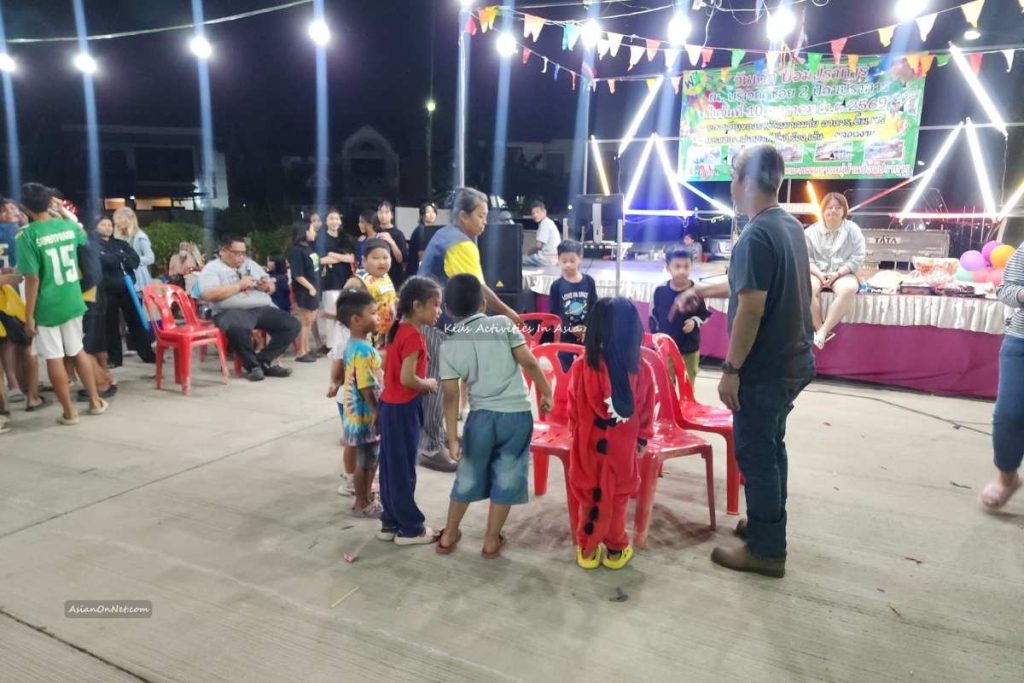
Families may find:
- Interactive museums
- Theme parks
- Indoor playgrounds
- Aquariums
- Zoos and wildlife centres
- Beaches
- National parks
- Cultural workshops
- Cooking classes
- Markets
- Boat trips
- Scenic train journeys
- Children’s play areas
- Family-friendly restaurants
- Affordable local experiences
The right kids activities in Asia depend on the children’s ages, interests, energy levels, and previous travel experience. A toddler may enjoy a shaded playground, while an older child may prefer a science museum, cycling tour, or cultural workshop.
Interactive Museums
Interactive museums can help children learn through touch, movement, games, models, and experiments. They are also practical during hot, rainy, or polluted days.
Families can look for:
- Science museums
- Children’s museums
- Transport museums
- Railway museums
- Technology centres
- Natural history museums
- Space exhibitions
- Digital art spaces
- Maritime museums
- Local history museums
The best museums for children usually include hands-on displays rather than only objects behind glass.
Interactive museums are useful kids activities in Asia because they combine education with air-conditioned comfort. They can also work well for families with children of different ages when the museum has several themed areas.
Before visiting, check:
- Recommended age groups
- Opening days
- Ticket requirements
- Language support
- Stroller access
- Family toilets
- Nursing rooms
- Food rules
- Scheduled workshops
- Entry times
Some popular museums require advance reservations, particularly during weekends and school holidays.
Science Centres
Science centres are often designed around curiosity and experimentation. Children may be able to test motion, light, sound, electricity, weather, space, biology, and engineering through simple activities.
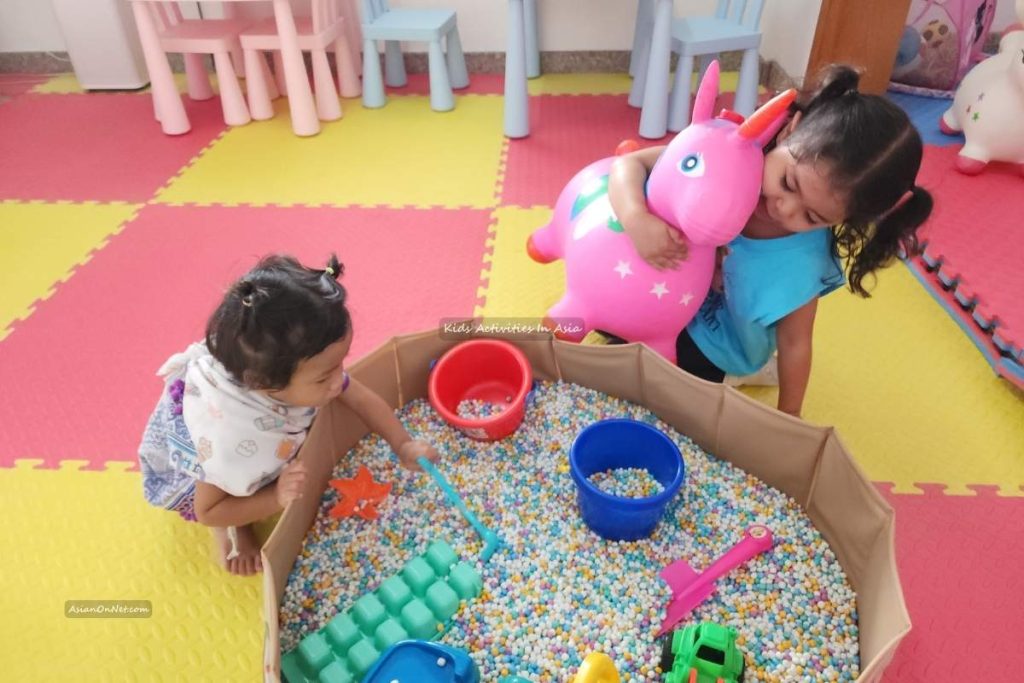
Common features include:
- Experiment stations
- Space displays
- Planetariums
- Robotics
- Water-play learning areas
- Optical illusions
- Building challenges
- Live demonstrations
- Children’s laboratories
- Temporary exhibitions
Science centres are among the most useful kids activities in Asia for families who want both education and entertainment.
Allow enough time for children to repeat activities. Young visitors often enjoy returning to the same experiment rather than rushing through every section.
Theme Parks
Asia has theme parks ranging from large international resorts to smaller local amusement parks. These attractions may include roller coasters, family rides, live shows, playgrounds, parades, character experiences, and water attractions.
Theme parks can suit families looking for:
- A full day of entertainment
- Rides for different ages
- Live performances
- Themed dining
- Character experiences
- Family photographs
- Evening shows
- Indoor and outdoor attractions
Theme parks are popular kids activities in Asia, but they require careful planning. Entrance fees, food, transport, lockers, and souvenirs can make the day expensive.
Check height and age restrictions before booking. A park may look ideal online but offer only a limited number of rides for very young children.
It is also helpful to plan rest periods. Children can become tired from heat, noise, walking, queues, and excitement.
Water Parks
Water parks can be refreshing in hot destinations. They may offer shallow pools, splash zones, lazy rivers, slides, wave pools, and shaded family areas.
Before visiting a water park:
- Check age and height rules
- Bring suitable swimwear
- Apply water-resistant sunscreen
- Use flotation equipment when required
- Supervise children continuously
- Follow lifeguard instructions
- Take regular breaks
- Encourage children to drink water
- Keep valuables secure
- Check whether towels are provided
Water parks can be enjoyable kids activities in Asia, but supervision remains essential even when lifeguards are present.
Young children should stay within an adult’s immediate reach near water.
Indoor Playgrounds
Indoor playgrounds are common in many Asian cities and shopping malls. They can include climbing frames, ball areas, slides, roleplay rooms, trampolines, sensory zones, and spaces for toddlers.
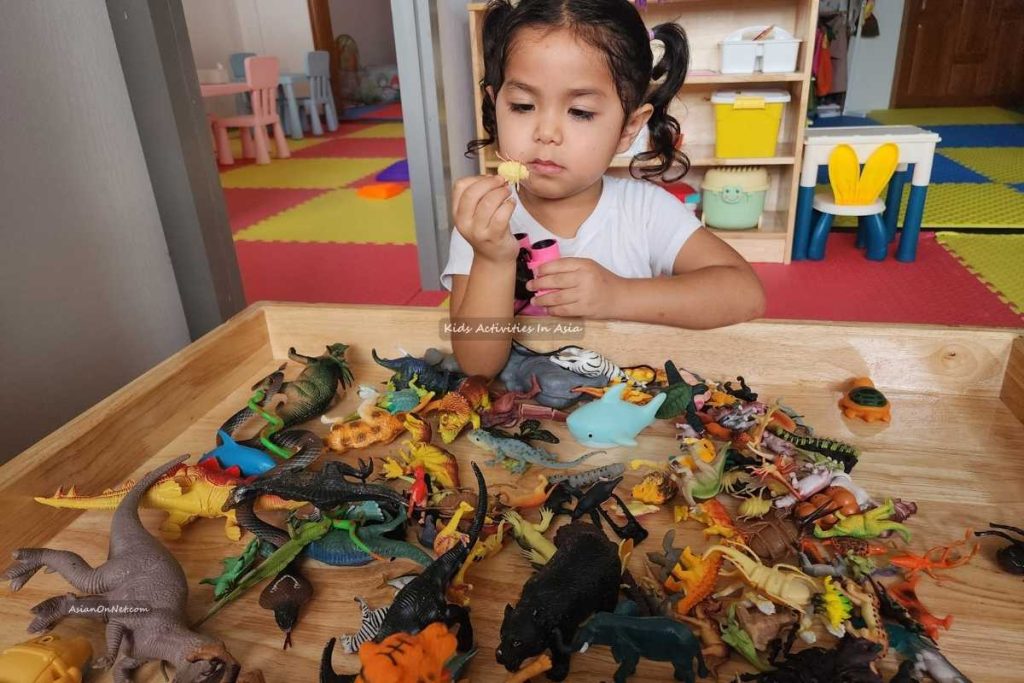
These venues are practical when:
- The weather is very hot
- Heavy rain interrupts outdoor plans
- Children need active play
- Parents want a shorter activity
- The family is staying in a city
- Younger children need familiar entertainment
Indoor playgrounds are convenient kids activities in Asia because they are often close to restaurants, toilets, supermarkets, and public transport.
Check whether socks are required and whether adults must pay admission. Some playgrounds have time limits or different zones for toddlers and older children.
Aquariums
Aquariums can introduce children to fish, coral reefs, sharks, rays, jellyfish, and marine environments. Large Asian cities often have modern aquariums inside malls, entertainment districts, or waterfront areas.
Children may enjoy:
- Underwater tunnels
- Feeding sessions
- Touch pools
- Marine-life talks
- Coral displays
- Interactive screens
- Conservation exhibitions
- Behind-the-scenes activities
Aquariums are useful kids activities in Asia for mixed-age families because they usually allow visitors to move at their own pace.
To avoid crowds, consider visiting early in the day or on a weekday. Feeding schedules and special programmes may change, so check the official attraction information before travelling.
Zoos And Wildlife Attractions
Wildlife experiences can help children learn about animals, habitats, conservation, and responsible behaviour.
Possible attractions include:
- Modern zoos
- Bird parks
- Butterfly gardens
- Reptile centres
- Marine rescue centres
- Wildlife sanctuaries
- Farm parks
- Insect museums
Choose animal attractions carefully. Look for facilities that provide appropriate space, professional care, education, and conservation information.
Avoid experiences that encourage unsafe handling, forced performances, or close contact that may harm animals or visitors.
Responsible wildlife visits can be meaningful kids activities in Asia when the focus is observation, learning, and respect.
Farm Visits
Farm visits can be especially enjoyable for younger children. Depending on the destination, families may find fruit farms, rice farms, flower farms, dairy farms, or educational agriculture centres.
Activities may include:
- Feeding suitable farm animals
- Picking fruit
- Planting vegetables
- Learning about rice
- Making simple food products
- Riding farm vehicles
- Exploring gardens
- Joining seasonal workshops
Farm visits can help children understand where food comes from. They also offer slower kids activities in Asia away from busy city attractions.
Wear comfortable shoes and check whether the farm has shade, toilets, drinking water, and food suitable for children.
Beaches And Island Activities
Asia has many family-friendly coastal destinations. Beaches can provide simple, flexible entertainment without requiring a full schedule.
Children may enjoy:
- Building sandcastles
- Collecting shells where permitted
- Paddling in shallow water
- Swimming
- Watching small crabs
- Taking short boat rides
- Playing beach games
- Watching the sunset
- Joining beginner water activities
Beach days are among the most relaxing kids activities in Asia, but conditions vary. Some beaches have strong currents, sharp rocks, jellyfish, boat traffic, or sudden changes in depth.
Choose supervised swimming areas when available and follow local warnings. Children should remain closely supervised around the sea, pools, rivers, and boats.
Bring shade, drinking water, sunscreen, hats, and dry clothing.
Nature Walks
Nature walks can introduce children to forests, mountains, waterfalls, mangroves, birds, insects, and local plants.
Family-friendly options may include:
- Short forest paths
- Botanical gardens
- Mangrove boardwalks
- Lakeside walks
- Waterfall viewpoints
- City nature parks
- Easy mountain trails
- Guided wildlife walks
Nature experiences are valuable kids activities in Asia because they allow children to move, observe, ask questions, and learn outside a classroom.
Choose trails that match the youngest family member. Check the distance, weather, path condition, elevation, toilets, transport, and return route before starting.
Avoid difficult trails during heavy rain, extreme heat, or poor air quality.
Botanical Gardens
Botanical gardens can offer open space, shade, flowers, ponds, walking routes, and educational displays. They are often calmer than theme parks and easier to explore with grandparents or young children.
Children can look for:
- Unusual trees
- Orchids
- Butterflies
- Birds
- Ponds
- Waterfalls
- Sculptures
- Children’s gardens
- Greenhouses
- Seasonal flowers
Singapore’s official tourism guidance presents its gardens, wildlife attractions, and city spaces as part of its family travel experience.
Botanical gardens are simple kids activities in Asia for families who want a slower morning or afternoon.
Public Parks And Playgrounds
A local public park can be one of the easiest family activities during a city trip. Parks give children space to move freely after visiting temples, museums, or shopping areas.
Families may find:
- Playgrounds
- Bicycle paths
- Lakes
- Picnic spaces
- Exercise areas
- Gardens
- Small boats
- Sports courts
- Food stalls
- Walking paths
Public parks are often affordable or free kids activities in Asia. They can also help families experience ordinary local life rather than only tourist attractions.
Visit during cooler parts of the day and check playground equipment before use, particularly after rain.
Cultural Workshops
Hands-on cultural activities can make traditions more understandable for children. Watching a demonstration is interesting, but making something often creates a stronger memory.
Workshops may include:
- Pottery
- Batik painting
- Paper crafts
- Lantern making
- Umbrella painting
- Calligraphy
- Traditional toy making
- Textile printing
- Flower arranging
- Mask painting
Cultural workshops are excellent kids activities in Asia because they combine creativity with learning. Children may also take home something they made themselves.
Choose workshops designed for the child’s age. Younger children may need shorter sessions and simpler materials, while older children may enjoy more detailed instruction.
Cooking Classes
Food is an important part of travel, and a family cooking class can help children understand ingredients and local traditions.
Classes may include:
- Market visits
- Fruit tasting
- Dumpling making
- Noodle preparation
- Rice dishes
- Simple desserts
- Sushi making
- Curry preparation
- Spring rolls
- Local snacks
Cooking classes can be memorable kids activities in Asia, especially for children who enjoy helping in the kitchen.
Before booking, ask:
- Is the class designed for children?
- What is the minimum age?
- Are knives or hot equipment used?
- Can allergies be accommodated?
- How long is the class?
- Is the food spicy?
- Can younger children participate with an adult?
Always explain serious allergies clearly before the activity begins.
Local Food Markets
A food market can become a family activity when the visit is slow and focused.
Children can:
- Identify unfamiliar fruit
- Compare colours and shapes
- Watch food being prepared
- Choose a snack
- Learn simple local words
- Look for spices
- Observe everyday shopping
- Try mild local dishes
Market visits are flexible kids activities in Asia, but they can become tiring when crowded, hot, or noisy.
Keep children close, bring water, carry small cash, and avoid blocking vendors. Choose freshly prepared food and be careful with allergies.
Traditional Performances
Dance, music, puppetry, theatre, and storytelling can introduce children to local culture.
Family-friendly performances may include:
- Puppet shows
- Traditional dance
- Music
- Masked performances
- Cultural storytelling
- Festival parades
- Light shows
- Martial arts demonstrations
These kids activities in Asia may work better when the performance is not too long and includes movement, colour, music, or visual storytelling.
Explain the basic story before the show when possible. This can help children follow what is happening even when they do not understand the language.
Temple And Heritage Visits
Temples, palaces, shrines, old towns, and historic buildings can be interesting for children when visits are kept short and interactive.
Instead of giving a long history lesson, ask children to look for:
- Animal statues
- Colours
- Roof shapes
- Bells
- Gardens
- Wall paintings
- Carvings
- Gates
- Towers
- Traditional clothing
Cultural visits can become enjoyable kids activities in Asia when children are encouraged to observe rather than remain silent for hours.
Teach children basic respectful behaviour:
- Dress appropriately
- Speak quietly
- Do not climb on sacred structures
- Remove shoes when required
- Follow photography rules
- Do not interrupt worship
- Keep food outside restricted areas
Train Journeys
Asia has many train systems that can turn transport into part of the family experience.
Children may enjoy:
- High-speed trains
- Mountain railways
- City metros
- Scenic rural routes
- Sleeper trains
- Heritage railways
- Station food
- Railway museums
Japan’s official tourism information highlights train travel, family facilities, stroller support, nursing rooms, and practical services for families travelling with children.
Train journeys are practical kids activities in Asia because they combine movement, scenery, and transport between destinations.
Bring snacks, water, quiet activities, and an extra layer of clothing for air-conditioned carriages.
Boat Trips
Boat trips can provide a different view of a city, river, lake, or island.
Family options may include:
- Short river ferries
- Canal boats
- Lake cruises
- Glass-bottom boats
- Island transfers
- Traditional boats
- Evening cruises
Boat rides can be exciting kids activities in Asia, but safety standards vary.
Choose a reliable operator, use life jackets, keep children seated when required, and avoid trips during dangerous weather or rough sea conditions.
Short boat trips are often more suitable for younger children than long excursions.
Cycling Activities
Cycling can help families explore parks, quiet islands, countryside routes, or car-free areas.
Suitable options may include:
- Park bicycle rentals
- Family bicycle paths
- Guided village tours
- Island cycling
- Bicycle trailers
- Child seats
- Short countryside routes
Cycling is one of the more active kids activities in Asia, but traffic conditions vary greatly between destinations.
Use helmets, choose calm routes, avoid extreme heat, and do not assume that ordinary city streets are suitable for children.
Crafts And Souvenir Making
A souvenir becomes more meaningful when children help create it.
Possible activities include:
- Painting ceramics
- Decorating fans
- Making bracelets
- Printing fabric
- Carving simple stamps
- Folding paper
- Making postcards
- Painting umbrellas
- Creating small lanterns
Creative kids activities in Asia can provide a quiet break between busy sightseeing days.
Check whether paints, glues, tools, or small pieces are suitable for the child’s age.
Family-Friendly Festivals
Festivals can include parades, lanterns, music, food, traditional clothing, crafts, and community celebrations.
They may offer memorable kids activities in Asia, but families should prepare for crowds, noise, road closures, and late finishing times.
Before attending:
- Check the exact date
- Choose a meeting point
- Write contact information for children
- Keep valuables secure
- Bring water
- Protect hearing near loud music
- Leave before children become exhausted
- Follow local rules
Festival schedules can change, so check official tourism or event information close to the date.
Rainy-Day Activities
Rain does not need to cancel a family day.
Indoor kids activities in Asia may include:
- Aquariums
- Museums
- Indoor playgrounds
- Craft workshops
- Cooking classes
- Cinemas
- Libraries
- Shopping-mall play zones
- Bowling
- Indoor climbing designed for children
Keep one or two indoor alternatives in your plan. This is particularly useful during tropical rainy seasons, when heavy showers may arrive quickly.
Free And Low-Cost Activities
Family travel does not need to depend on expensive attractions.
Low-cost kids activities in Asia may include:
- Public parks
- Playgrounds
- Beach walks
- Temple visits
- Local markets
- Street-art walks
- Free museum days
- Botanical gardens
- River ferries
- Public festivals
- Neighbourhood walks
- Picnics
Mixing paid and free activities can help families control their budget while keeping the trip varied.
Choosing Activities By Age
Babies And Toddlers
Young children usually benefit from:
- Short outings
- Playgrounds
- Aquariums
- Parks
- Shaded gardens
- Gentle boat rides
- Indoor play areas
- Early meal times
- Regular naps
Primary-School Children
Children in this age group may enjoy:
- Science centres
- Theme parks
- Wildlife attractions
- Cooking classes
- Craft workshops
- Easy nature walks
- Water parks
- Train journeys
Teenagers
Older children may prefer:
- Digital art
- Adventure parks
- Cycling
- Photography
- Food tours
- Shopping
- Cultural workshops
- Water sports with professional supervision
- Longer nature trips
The best kids activities in Asia match the child’s interests rather than relying only on age.
Planning A Balanced Family Day
A good family day usually includes one main activity rather than several major attractions.
A simple plan might include:
- A morning museum
- Lunch nearby
- A short rest
- A playground or park
- An early dinner
Another plan could include:
- A morning nature walk
- A relaxed lunch
- Swimming
- Quiet evening activities
Balanced kids activities in Asia leave space for rest, meals, transport delays, and unexpected changes.
Trying to complete too much can lead to tired children and stressed parents.
Transport Tips
Family transport can be easier when you:
- Avoid rush hour
- Keep journeys short
- Use trains where practical
- Check stroller access
- Carry the accommodation address
- Download offline maps
- Keep small snacks available
- Use child restraints where available
- Allow extra transfer time
- Plan the return journey
Japan’s official travel guidance notes facilities such as nursing rooms, stroller rentals, and family-friendly restaurants, showing how practical services can make family travel easier.
Transport itself can become one of the most interesting kids activities in Asia when children enjoy trains, boats, buses, or cable cars.
Food Tips For Families
Children may need time to adjust to unfamiliar flavours.
Helpful ideas include:
- Order rice or noodles
- Ask for mild food
- Share several dishes
- Carry familiar snacks
- Try new foods gradually
- Check allergy ingredients
- Keep drinking water available
- Eat before children become overtired
Food experiences can be enjoyable kids activities in Asia, but children should not be pressured to eat unfamiliar dishes.
Allow them to smell, observe, or taste a small amount first.
Heat And Sun Protection
Many Asian destinations can be hot and humid.
To keep activities comfortable:
- Start early
- Carry water
- Use sunscreen
- Bring hats
- Wear light clothing
- Rest in the shade
- Choose indoor midday activities
- Avoid overloading the schedule
Children may become tired or dehydrated before they clearly explain how they feel.
Regular breaks make outdoor kids activities in Asia more comfortable and safer.
Safety And Comfort
Basic preparation can prevent many common problems.
Carry:
- Water
- Snacks
- Sunscreen
- Insect repellent
- Wet wipes
- Hand sanitiser
- A change of clothes
- Basic medication normally used
- Insurance information
- Emergency contacts
Teach children what to do if separated. Older children should know the accommodation name and a parent’s telephone number.
Choose kids activities in Asia that match the weather, location, supervision available, and the child’s confidence.
Respectful Family Travel
Family holidays are also opportunities to teach respect.
Encourage children to:
- Greet people politely
- Follow local rules
- Dress appropriately at religious sites
- Avoid touching sacred objects
- Ask before photographing people
- Keep noise down
- Avoid littering
- Treat animals carefully
- Wait patiently
- Learn a few local words
Responsible kids activities in Asia should benefit the family without disturbing local communities, wildlife, or cultural places.
Common Mistakes To Avoid
Avoid these common mistakes:
- Planning too many attractions
- Ignoring nap or rest times
- Choosing activities only for adults
- Underestimating heat
- Forgetting rain alternatives
- Booking without checking age limits
- Assuming every activity is stroller-friendly
- Staying too late at festivals
- Choosing unsafe animal encounters
- Ignoring food allergies
- Using unreliable transport
- Expecting children to enjoy every cultural site
A flexible plan usually creates a better family holiday.
A Simple Family Activity Plan
A balanced city day could include:
- A science centre in the morning
- Lunch at a family restaurant
- Rest at the accommodation
- A public park in the afternoon
- A local food market in the early evening
A beach day could include:
- Early swimming
- Breakfast
- Sand play
- A shaded lunch
- Rest
- A sunset walk
A cultural day could include:
- A short heritage visit
- A craft workshop
- A simple local meal
- A park or playground
- An early return
These plans show how kids activities in Asia can combine learning, movement, food, culture, and rest without making the day exhausting.
👉 “Families looking for more entertainment ideas may also explore this Guide To Movies Music And Media In Asia for age-appropriate cultural inspiration.”
Conclusion
The best kids activities in Asia include much more than theme parks. Families can explore museums, aquariums, beaches, gardens, wildlife attractions, cultural workshops, cooking classes, markets, trains, boats, and local neighbourhoods.
The right activities depend on the children’s ages, interests, confidence, and energy. A successful family trip usually combines one main attraction with simple experiences, comfortable transport, regular meals, and enough rest.
Families should check opening hours, age limits, weather, safety requirements, and transport before visiting. Plans should remain flexible because children may enjoy an unexpected playground or train ride more than a famous attraction.
Responsible kids activities in Asia also teach children to respect cultures, communities, animals, and natural places. With thoughtful planning, Asia can offer family experiences that are exciting, educational, relaxing, and memorable.
FAQ
What Are The Best Kids Activities In Asia?
Popular options include interactive museums, aquariums, theme parks, water parks, beaches, nature walks, cultural workshops, cooking classes, train journeys, and indoor playgrounds.
Which Asian Destinations Are Good For Families?
Singapore, Japan, Thailand, Malaysia, South Korea, Vietnam, Indonesia, Taiwan, and other destinations offer family activities. The best choice depends on budget, weather, transport, and the children’s ages.
Are There Free Kids Activities In Asia?
Yes. Families can visit public parks, playgrounds, beaches, markets, neighbourhoods, temples, botanical gardens, and some festivals for free or at low cost.
What Can Families Do On Rainy Days?
Rainy-day options include museums, aquariums, indoor playgrounds, craft workshops, cinemas, cooking classes, shopping-mall play zones, and science centres.
Are Asian Theme Parks Suitable For Young Children?
Many have areas for young children, but height and age restrictions vary. Check the official attraction information before buying tickets.
Are Wildlife Attractions Safe For Children?
Choose reputable facilities focused on animal welfare, education, and conservation. Avoid attractions that encourage unsafe handling or harmful performances.
What Should Families Pack For A Day Out?
Carry water, snacks, sunscreen, insect repellent, wipes, sanitiser, suitable clothing, emergency contacts, and any medication normally required.
How Many Activities Should A Family Plan Each Day?
One major activity plus a smaller park, meal, or neighbourhood visit is often enough. Allow time for rest, transport, food, and unexpected changes.
Are Cooking Classes Suitable For Children?
Many are, but check the minimum age, class length, use of knives or hot equipment, spice levels, and allergy arrangements before booking.
How Can Parents Make Cultural Activities More Interesting?
Keep visits short, ask children to look for colours and shapes, join hands-on workshops, explain basic stories, and combine cultural stops with play or food.