








- Introduction
- Traditional Breakfasts in Japan: Steaming Goodness
- Exploring Asian Breakfast Traditions
- Easy Recipes to Try at Home
- Exploring Asia's Breakfast Staples
- Regional Breakfast Specialties
- Practical Tips For Enjoying Traditional Breakfasts Across Asia
- Conclusion
- FAQ
- Why is easy guide to traditional breakfasts across Asia useful?
- How can beginners use easy guide to traditional breakfasts across Asia?
- What are some traditional breakfast foods in Asia?
- Are traditional Asian breakfasts healthy?
- Can I find modern twists on traditional Asian breakfasts?
- Are there any traditional drinks that I should try with my Asian breakfast?
- Can I make traditional Asian breakfasts at home?
- Are there any cultural differences I should know about when eating traditional Asian breakfasts?
- Can I find vegan or vegetarian options in traditional Asian breakfasts?
- Are there any regional variations within Asia that I should know about?
Introduction
easy guide to traditional breakfasts across Asia is the main topic of this guide, and the article explains it with practical details, useful examples, and beginner-friendly advice.
Breakfast – a meal often overlooked in our busy lives. However, for many people around the world, breakfast is an essential part of their day, providing energy and sustenance to tackle whatever comes next. In Asia, traditional breakfasts are a vital part of the daily routine, reflecting the unique culture and lifestyle of each country. From steaming bowls of noodles in Japan to spicy curries in India, every nation has its own distinct breakfast traditions.
In this easy guide to traditional breakfasts across Asia, we will take you on a culinary journey through some of the most popular and delicious breakfast dishes from around the continent. Whether you’re looking to try new foods, learn about local customs, or simply broaden your horizons, this guide is perfect for anyone interested in exploring the rich food culture of Asia.
👉 “If you want to try a specific country at home, start with these Easy Thai Breakfast Recipes For Beginners.”
Traditional Breakfasts in Japan: Steaming Goodness
Japan is famous for its vibrant breakfast scene, with steaming bowls of noodles and savory rice dishes being staples of many households. One of the most popular traditional Japanese breakfasts is the humble bowl of steamed rice, miso soup, and grilled fish or eggs.
For a more filling breakfast, try the Japanese-style onigiri – triangular-shaped rice balls filled with tuna, salmon, or pickled plum. These tasty treats are easy to make at home and can be enjoyed on-the-go.
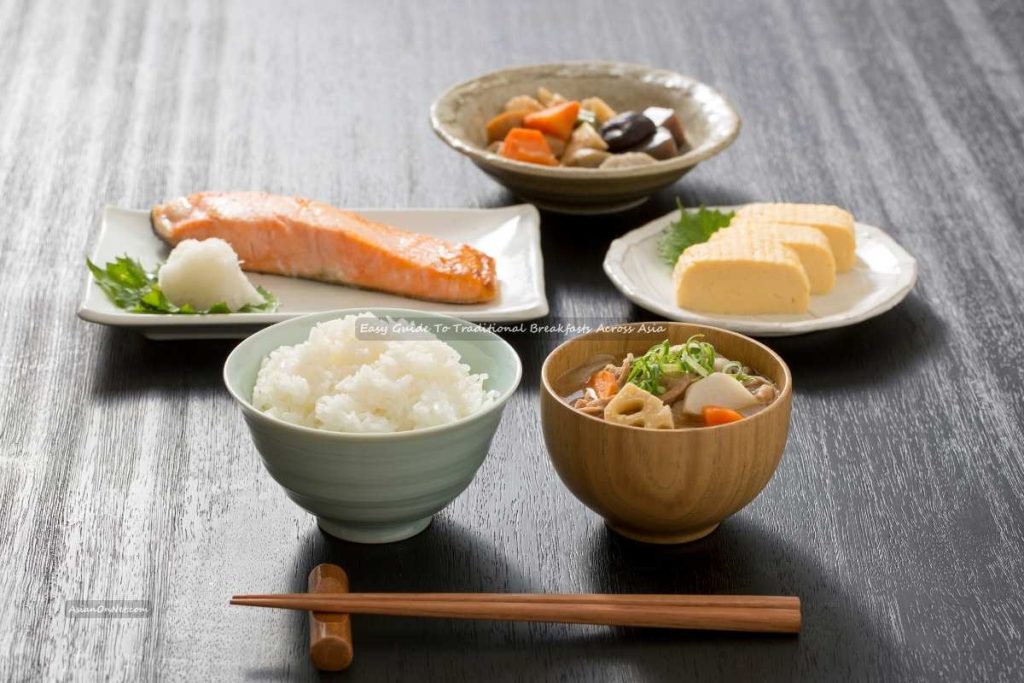
Another popular traditional Japanese breakfast is the tamagoyaki – a sweet rolled omelette made from dashi broth, soy sauce, and sake. This simple yet delicious dish is often served with steamed rice and miso soup for a well-rounded meal.
In Japan, breakfast is not just about sustenance; it’s also an opportunity to socialize and bond with family and friends over a shared meal. Whether you’re visiting Japan or trying Japanese cuisine at home, be sure to join in on the breakfast fun!
Exploring Asian Breakfast Traditions
Asian breakfast traditions vary greatly from country to culture. In Japan, for example, a traditional breakfast might consist of steamed rice, miso soup, and grilled fish. This meal is often served with green tea, which is an integral part of Japanese daily life.
In India, the traditional breakfast dish is often idlis or dosas, which are fermented rice and lentil crepes. These are typically served with spicy chutneys and sambar, a lentil-based vegetable stew.
Understanding Local Ingredients
When exploring Asian breakfast traditions, it’s essential to understand the local ingredients used in each country. For example, in Thailand, rice is a staple food, while in China, noodles are often served with breakfast dishes.
Using local ingredients not only ensures authenticity but also allows you to experience the unique flavors and textures of each dish. In Korea, for instance, kimchi (spicy fermented cabbage) is a common ingredient in many breakfast dishes.
Easy Recipes to Try at Home
Now that we’ve explored some Asian breakfast traditions, let’s move on to easy recipes you can try at home. One popular dish is the Japanese-style breakfast bowl, which consists of steamed rice, grilled chicken or fish, and a fried egg.
To make this recipe, start by cooking Japanese short-grain rice according to package instructions. Meanwhile, grill your protein of choice until cooked through. Fry an egg in a pan with some oil and season with salt and pepper.
- Combine the cooked rice, grilled chicken or fish, and fried egg in a bowl.
- Add some pickled ginger and wasabi on the side for extra flavor.
This recipe is easy to make and requires minimal ingredients. You can also customize it by adding your favorite toppings, such as green onions or sesame seeds.
Exploring Asia’s Breakfast Staples
From steaming bowls of congee to crispy rice cakes, breakfast in Asia is a culinary adventure waiting to happen. In this section, we’ll delve into the unique breakfast traditions that can be found across the continent.
Popular Asian Breakfast Drinks
One of the most popular breakfast drinks in Asia is the traditional tea, which comes in various forms such as green tea, oolong tea, and jasmine tea. In Japan, you’ll find a unique breakfast drink called “Matcha”, made from finely ground green tea leaves that are whisked into a frothy consistency.
- In China, the traditional breakfast drink is “Jasmine Tea”, which is scented with fragrant jasmine flowers and served hot or cold.
- In Korea, you’ll find “Yuja Cha”, a citrusy tea made from yuja (Korean citron) that’s often served with a sweet treat like rice cakes or cookies.
Regional Breakfast Specialties
Asia is home to a diverse range of breakfast specialties, each reflecting the unique culture and cuisine of its respective region. In India, for example, you’ll find a variety of breakfast options such as idlis (steamed rice cakes), dosas (fermented rice and lentil crepes), and vadas (fried lentil doughnuts).
- In Southeast Asia, popular breakfast dishes include nasi lemak (coconut milk-infused rice) in Malaysia and Indonesia, and khao tom (spicy rice porridge) in Thailand.
- In Japan, you’ll find a unique breakfast dish called “Onigiri”, which consists of triangular-shaped rice balls filled with tuna, salmon, or pickled plum.
Whether you’re exploring the bustling streets of Tokyo or wandering through the ancient temples of Southeast Asia, one thing is certain: traditional Asian breakfasts are a culinary experience like no other. With their rich flavors, vibrant colors, and unique ingredients, these breakfast staples are sure to tantalize your taste buds and leave you wanting more.
Practical Tips For Enjoying Traditional Breakfasts Across Asia
Before you embark on your culinary journey across Asia, consider a few extra factors to enhance your experience:
- Research local customs and traditions surrounding breakfast meals in each country. This will help you understand the cultural significance of certain dishes and drinks.
- Plan for transportation and accommodation in advance, especially during peak travel seasons. Research affordable options and book in advance to avoid last-minute stress.
- Learn a few basic phrases in local languages, such as greetings and thank-yous. This will go a long way in showing respect for the culture and people you’re visiting.
As you explore traditional breakfasts across Asia, remember to be mindful of food safety and hygiene practices. Stick to reputable restaurants and street food stalls that are popular with locals, and avoid eating from vendors that appear unhygienic or overcrowded.
In addition to the delicious foods and drinks you’ll encounter, consider the unique cultural experiences that come with traditional breakfasts in Asia. From tea ceremonies in Japan to spicy curries in India, each country has its own distinct customs and rituals surrounding mealtime.
As you conclude your journey through traditional breakfasts across Asia, take a moment to reflect on the incredible diversity of food cultures and traditions you’ve encountered. Whether it’s the steaming bowls of noodles in Vietnam or the fragrant pastries in Indonesia, each country has its own unique story to tell.
With this easy guide to traditional breakfasts across Asia, you’re now equipped with the knowledge and planning tools needed to embark on an unforgettable culinary adventure. Bon appétit!
Readers learning about easy guide to traditional breakfasts across Asia often want clear examples, simple explanations, practical benefits, and safe ways to apply the information.
👉 “Many traditional breakfasts use nutritious local ingredients, and you can also learn more about Best Asian Superfoods for Health and Immunity.”
Conclusion
Traditional breakfasts across Asia show how food, culture, family life, and local ingredients are closely connected. From Japanese rice, miso soup, and tamagoyaki to Indian idlis and dosas, Thai rice porridge, Korean kimchi, and Southeast Asian coconut rice dishes, breakfast can tell a rich story about each country’s daily life and traditions.
The best way to enjoy Asian breakfasts is to stay curious and respectful. Learn about local customs, try regional ingredients, pay attention to food safety, and choose dishes that match your taste and comfort level. Many traditional breakfasts are simple, nourishing, and full of flavor, making them a great way to understand local culture through everyday meals.
Whether you are traveling through Asia or trying these dishes at home, traditional breakfasts offer an easy and enjoyable way to explore the continent’s food culture. Start with familiar flavors, try one new dish at a time, and enjoy the variety of breakfast traditions that make Asia such a special culinary region.
FAQ
Why is easy guide to traditional breakfasts across Asia useful?
easy guide to traditional breakfasts across Asia is useful because it gives readers a clear starting point and helps them understand the topic step by step.
How can beginners use easy guide to traditional breakfasts across Asia?
Beginners can use easy guide to traditional breakfasts across Asia by starting with simple tips, learning the basic ideas, and applying them gradually.
What are some traditional breakfast foods in Asia?
In Asia, traditional breakfasts vary greatly from country to country and even region to region. In Japan, for example, a popular breakfast dish is steamed rice with miso soup and grilled fish. In India, idlis (steamed rice cakes) and dosas (fermented crepes) are common breakfast foods.
Are traditional Asian breakfasts healthy?
Many traditional Asian breakfasts are indeed healthy options. For instance, steamed rice with vegetables and lean protein sources like fish or eggs is a nutritious way to start the day. However, it’s also important to be mindful of portion sizes and added sugars in some traditional dishes.
Can I find modern twists on traditional Asian breakfasts?
Absolutely! Many modern restaurants and cafes now offer creative takes on traditional Asian breakfast dishes. You might find Western-style omelets with Japanese ingredients or Korean-style bibimbap bowls with a fried egg on top.
Are there any traditional drinks that I should try with my Asian breakfast?
A great way to start your day in Asia is with a warm cup of tea, such as green tea in Japan or jasmine tea in China. In Korea, you might enjoy a bowl of hot coffee with milk and sugar.
Can I make traditional Asian breakfasts at home?
You don’t need to be an expert chef to cook traditional Asian breakfasts at home. Many recipes are simple and require minimal ingredients. Try searching online for “easy Japanese breakfast recipes” or “Indian dosa recipe” for a great starting point.
Are there any cultural differences I should know about when eating traditional Asian breakfasts?
In many Asian cultures, mealtime is not just about food – it’s also about socializing and showing respect. When dining with locals, be sure to use chopsticks correctly, try a little of everything on your plate, and avoid finishing a dish completely (as this implies the host didn’t provide enough food).
Can I find vegan or vegetarian options in traditional Asian breakfasts?
Yes, many traditional Asian breakfast dishes can be adapted to suit vegan or vegetarian diets. For example, you might try tofu stir-fries with rice and vegetables, or Indian dosas with a variety of fillings.
Are there any regional variations within Asia that I should know about?
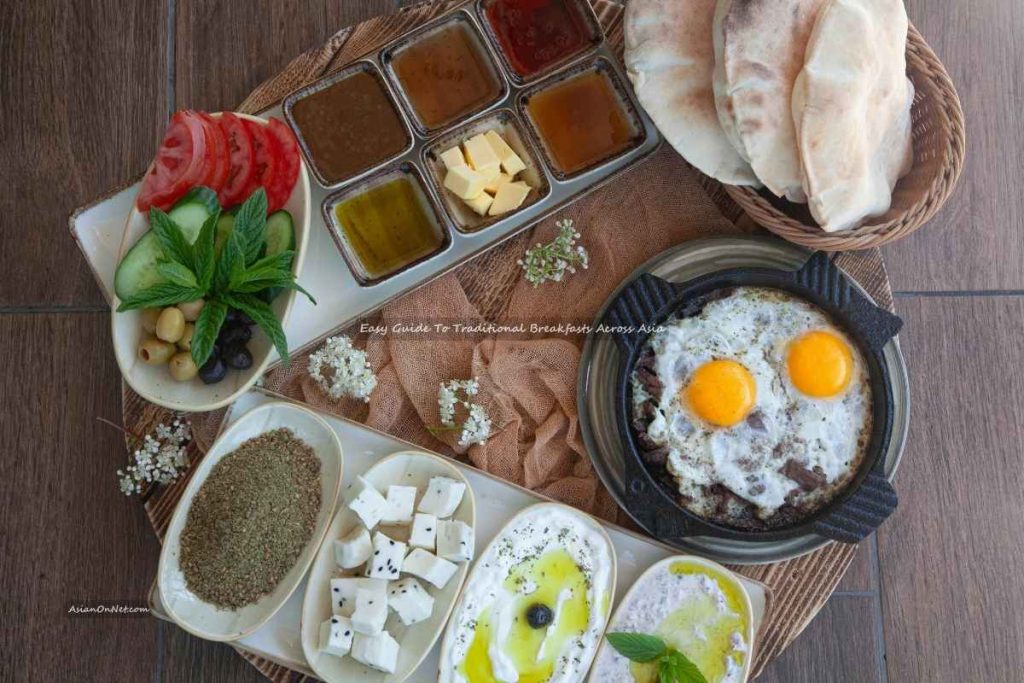
Yes, each region in Asia has its own unique breakfast traditions. In Southeast Asia, for example, you might find dishes like nasi lemak (coconut milk rice) and char kway teow (stir-fried noodles). In the Middle East, try a traditional Persian breakfast of sabzi polo (herbed rice) with eggs and flatbread.