









- Introduction
- Understanding Mind And Body Wellness
- Begin With Mindful Breathing
- Create A Short Morning Routine
- Try Gentle Stretching
- Explore Tai Chi-Inspired Movement
- Practise Yoga Respectfully
- Take Regular Walking Breaks
- Spend Time In Nature
- Eat Balanced Meals
- Add More Vegetables Gradually
- Use Herbs And Spices For Flavour
- Enjoy Tea As A Pause
- Drink Enough Water
- Create A Calmer Eating Environment
- Protect Your Sleep Routine
- Create A Simple Evening Wind-Down
- Reduce Unnecessary Screen Time
- Practise Everyday Mindfulness
- Try A Short Meditation Practice
- Make Space For Quiet
- Keep Your Living Space Manageable
- Use Small Rituals
- Stay Connected With Other People
- Respect Personal Boundaries
- Practise Gratitude Without Ignoring Problems
- Make Time For Creative Activities
- Use Massage And Bodywork Carefully
- Take Breaks Before Exhaustion
- Avoid Turning Wellness Into Pressure
- Recognise When Professional Help Is Needed
- A Simple Daily Wellness Routine
- Common Wellness Mistakes
- Conclusion
- FAQ
- What Are Mind And Body Wellness Tips?
- Which Asian Practices Support Mind And Body Wellness?
- Do I Need To Meditate For A Long Time?
- Is Tai Chi Suitable For Beginners?
- Can Herbal Tea Improve Wellness?
- How Can I Create A Simple Wellness Routine?
- Does Wellness Require Expensive Products?
- How Can I Reduce Stress During A Busy Day?
- Can Mind And Body Practices Replace Healthcare?
- What Is The Most Important Wellness Habit?
Introduction
Wellness does not always require expensive retreats, complicated programmes, or major lifestyle changes. Many Asian cultures include everyday habits that encourage balance between physical health, emotional wellbeing, rest, movement, food, nature, and relationships.
These mind and body wellness tips are inspired by practices found across different parts of Asia. They include mindful breathing, gentle stretching, walking, balanced meals, tea rituals, regular rest, time outdoors, and meaningful social connection.
Asia is a large and diverse region, so there is no single Asian approach to wellness. Practices differ between countries, communities, religions, families, and individuals. Yoga developed in South Asia, tai chi has Chinese roots, meditation appears in several Asian traditions, and herbal practices vary widely across the continent.
The aim is not to copy traditions without understanding them or make exaggerated health claims. Instead, these mind and body wellness tips offer simple ideas that can be adapted respectfully to modern daily life.
👉 “Readers exploring traditional wellness ideas may also learn how to evaluate cannabis and herbal wellness claims carefully before relying on health-related information.”
Understanding Mind And Body Wellness
Mind and body wellness describes the connection between physical habits and emotional wellbeing.
Sleep, food, movement, stress, relationships, and daily surroundings can all affect how a person feels. A stressful week may disturb sleep and digestion, while poor sleep may reduce concentration and patience.
A balanced approach may include:
- Regular movement
- Nutritious meals
- Suitable rest
- Stress management
- Social connection
- Time outdoors
- Healthy boundaries
- Medical care when needed
- Realistic expectations
The most useful mind and body wellness tips support everyday health without promising perfect happiness, permanent calm, or protection from illness.
Begin With Mindful Breathing
Breathing exercises are among the simplest wellness practices because they require no equipment.

A basic routine is:
- Sit or stand comfortably
- Relax the shoulders
- Breathe in gently through the nose
- Pause briefly without straining
- Breathe out slowly
- Repeat for a few minutes
The goal is not to force very deep breaths. Comfortable, steady breathing is usually easier to maintain.
Mindful breathing can create a short pause between activities. It may be useful before sleep, after work, during travel, or when preparing for a difficult conversation.
Among practical mind and body wellness tips, breathing is easy to include because it can be done almost anywhere.
Create A Short Morning Routine
A calm morning routine can help people begin the day with more structure.
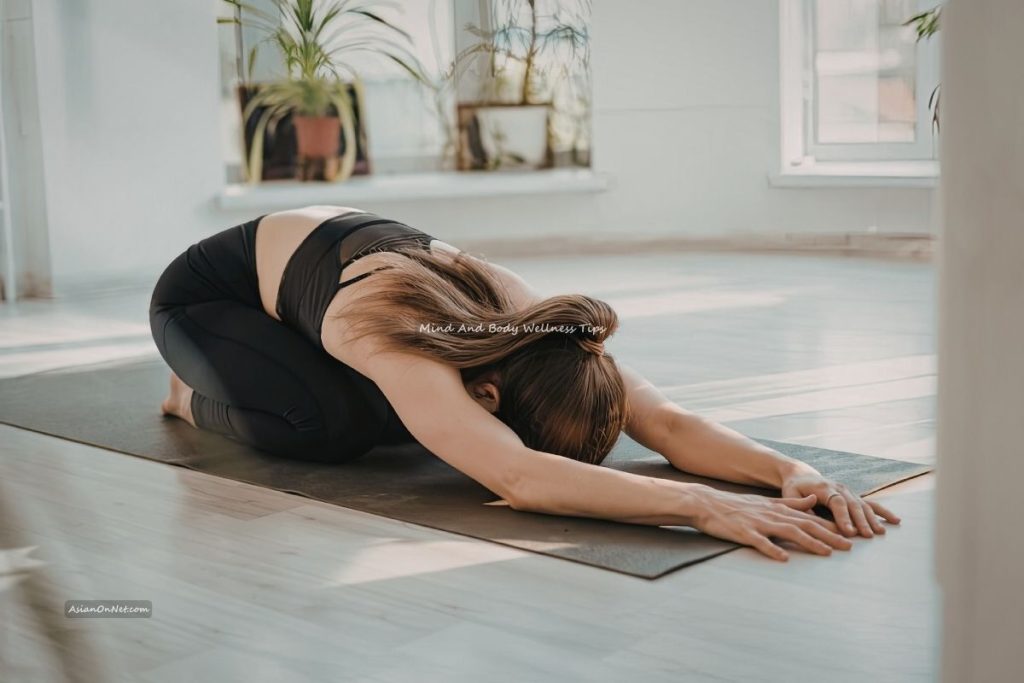
It might include:
- Drinking water
- Opening a window
- Gentle stretching
- A few quiet breaths
- Preparing a simple breakfast
- Reviewing the day
- Avoiding the phone for a few minutes
The routine does not need to last an hour. Five or ten minutes may be enough.
Consistency matters more than creating a perfect ritual. A routine that is too complicated may be abandoned quickly.
Simple mind and body wellness tips should fit real family, school, and work schedules.
Try Gentle Stretching
Gentle stretching can help the body move after sleep, sitting, travel, or long periods of screen use.
Useful areas to stretch include:
- Neck
- Shoulders
- Back
- Hips
- Legs
- Wrists
- Ankles
Move slowly and avoid bouncing.
Stretching should create mild tension rather than sharp pain. People with injuries, joint conditions, balance problems, or other health concerns may need guidance from a qualified professional.
Gentle stretching works well with other mind and body wellness tips, including breathing, walking, and regular movement breaks.
Explore Tai Chi-Inspired Movement
Tai chi is a traditional Chinese practice involving controlled movements, posture, attention, and breathing.
Beginners may start with simple principles rather than attempting a long sequence:
- Move slowly
- Keep the knees relaxed
- Maintain comfortable posture
- Coordinate movement with breathing
- Focus on balance
- Avoid forcing the joints
Tai chi classes can offer more accurate instruction and help beginners understand technique.
A few slow movements can become part of daily mind and body wellness tips, especially for people who prefer gentle activity over intense exercise.
Practise Yoga Respectfully
Yoga has deep roots in Indian philosophy and spiritual traditions. Modern exercise classes often focus mainly on postures, but yoga is broader than physical flexibility.
A beginner may use simple postures for:
- Mobility
- Balance
- Body awareness
- Breathing practice
- Relaxation
People should avoid forcing themselves into advanced shapes or comparing flexibility with others.
Yoga-inspired mind and body wellness tips are most helpful when they focus on safe movement, steady breathing, and personal ability rather than appearance or competition.
Take Regular Walking Breaks
Walking is one of the most accessible forms of movement.
A daily walk can be used to:
- Break up sitting time
- Explore the neighbourhood
- Spend time outdoors
- Talk with family
- Reduce screen use
- Notice the surroundings
- Travel short distances
The walk does not need to be long or fast.
In hot or humid climates, choose cooler times, carry water, wear suitable clothing, and rest when needed.
Walking supports mind and body wellness tips by combining movement, fresh air, and a change of environment.
Spend Time In Nature
Many Asian landscapes, gardens, temples, parks, and traditional homes use natural elements to create calm and beauty.
Time in nature may involve:
- Walking in a park
- Sitting near trees
- Caring for plants
- Watching birds
- Visiting a garden
- Listening to rain
- Spending time near water
- Growing herbs
People living in busy cities can still benefit from small natural spaces.
A balcony garden, indoor plant, shaded street, or local park may provide a useful break from concrete, traffic, and screens.
Nature-based mind and body wellness tips do not require travelling to a remote forest.
Eat Balanced Meals
Asian cuisines include a wide variety of vegetables, grains, herbs, legumes, fish, tofu, meat, fruit, fermented foods, and soups.
A balanced meal may include:
- Rice or another grain
- Vegetables
- A suitable protein
- Herbs or spices
- Fruit
- Water or unsweetened tea
No single national cuisine is automatically healthy. Fried food, processed meat, sugary drinks, salty sauces, and oversized portions can be found in many places.
Food-related mind and body wellness tips should focus on variety, sensible portions, and overall eating patterns rather than labelling every traditional dish as healthy.
Add More Vegetables Gradually
People do not need to change their entire diet overnight.
Simple ways to eat more vegetables include:
- Adding greens to soup
- Serving cucumber with meals
- Using mushrooms in stir-fries
- Adding carrots to rice
- Choosing vegetable side dishes
- Preparing mixed salads
- Adding pumpkin to curry
- Eating seasonal produce
Begin with vegetables that are affordable, available, and enjoyable.
A sustainable change is usually more useful than a strict plan that lasts only a few days.
Use Herbs And Spices For Flavour
Asian cooking often uses herbs, roots, and spices to create depth.
Examples include:
- Ginger
- Turmeric
- Lemongrass
- Garlic
- Coriander
- Basil
- Mint
- Cinnamon
- Cardamom
- Pepper
These ingredients can make meals more aromatic and may reduce the need for excessive salt or heavy sauces.
However, culinary herbs should not be described as guaranteed cures. Laboratory research or traditional use does not prove that an ordinary meal treats disease.
Responsible mind and body wellness tips can celebrate flavour without making unsupported medical claims.
Enjoy Tea As A Pause
Tea traditions exist across many parts of Asia.
Depending on the region, people may drink:
- Green tea
- Oolong tea
- Black tea
- Jasmine tea
- Roasted tea
- Ginger tea
- Lemongrass tea
- Barley tea
- Herbal infusions
A tea break can create a moment to sit, slow down, and step away from work.
Caffeinated tea may affect sleep or cause discomfort in some people. Herbal blends can also interact with medication or contain ingredients that are not suitable for everyone.
Tea-based mind and body wellness tips should emphasise moderation and personal tolerance.
Drink Enough Water
Busy schedules, hot weather, air conditioning, and travel can make it easy to forget water.
Helpful habits include:
- Carrying a reusable bottle
- Drinking water with meals
- Taking water breaks
- Choosing water before sweet drinks
- Drinking more during physical activity
- Adjusting intake for the climate
Herbal tea and soup can contribute to fluid intake, but water remains the simplest option for most people.
People with kidney, heart, or fluid-balance conditions should follow individual medical advice.
Create A Calmer Eating Environment
The way people eat may be as important as the food itself.
Try to:
- Sit down when possible
- Reduce screen use during meals
- Eat slowly
- Chew thoroughly
- Notice hunger and fullness
- Share meals with others
- Avoid rushing every meal
Shared family meals are common in many Asian cultures, although modern work patterns can make them difficult.
Even one calm meal a day can support practical mind and body wellness tips.
Protect Your Sleep Routine
Sleep affects concentration, mood, physical recovery, and daily energy.
A helpful evening routine may include:
- Reducing bright screens
- Dimming lights
- Avoiding heavy late meals
- Keeping a regular bedtime
- Preparing clothes for the next day
- Taking a warm shower
- Reading quietly
- Practising gentle breathing
Caffeine late in the day can disturb sleep for some people.
Sleep-related mind and body wellness tips work best when they are regular rather than used only after exhaustion develops.
Create A Simple Evening Wind-Down
A wind-down routine signals that the active part of the day is ending.
It could include:
- Putting work materials away
- Tidying one small area
- Making caffeine-free tea
- Stretching gently
- Writing tomorrow’s priorities
- Lowering the lights
- Listening to calm music
- Taking slow breaths
Avoid turning the routine into another list of difficult tasks.
The goal is to reduce stimulation and create a smoother transition into rest.
Reduce Unnecessary Screen Time
Phones and computers are useful, but constant notifications can interrupt attention and rest.
Digital mind and body wellness tips include:
- Turning off non-essential notifications
- Keeping phones away from meals
- Creating screen-free periods
- Avoiding devices just before sleep
- Taking eye and movement breaks
- Unfollowing stressful accounts
- Setting limits on news checking
A complete digital detox is not necessary for everyone.
Small boundaries may be easier to maintain than strict rules.
Practise Everyday Mindfulness
Mindfulness means paying attention to the present experience with curiosity rather than immediately judging it.
It can be practised while:
- Drinking tea
- Washing dishes
- Walking
- Cooking
- Listening to music
- Breathing
- Waiting for transport
- Eating
For example, while drinking tea, notice the cup’s warmth, aroma, colour, and taste.
Everyday mindfulness is one of the easiest mind and body wellness tips because it can be added to an existing activity.
Try A Short Meditation Practice
Meditation practices exist in several Asian religious and philosophical traditions.
A simple secular practice may involve:
- Sitting comfortably
- Focusing on the breath
- Noticing when the mind wanders
- Returning attention gently
- Continuing for a few minutes
A wandering mind does not mean the practice has failed. Recognising distraction and returning attention is part of the exercise.
People who find silent meditation uncomfortable may prefer walking meditation, guided audio, or gentle movement.
Meditation should not replace mental-health treatment when professional support is needed.
Make Space For Quiet
Modern life can involve constant sound from traffic, television, music, messages, and conversations.
A few quiet minutes can provide mental space.
Try:
- Sitting without a device
- Walking without headphones
- Eating one meal without television
- Turning off background noise
- Waking before the household when practical
- Resting in a park
Quiet does not need to become complete silence.
The purpose is to reduce unnecessary stimulation.
Keep Your Living Space Manageable
A calm home does not need to be perfectly decorated or completely free from clutter.
Begin with practical areas:
- Bedside table
- Kitchen counter
- Work desk
- Entrance
- Bathroom shelf
- Dining table
Remove rubbish, return items to their place, and keep frequently used objects easy to reach.
Environmental mind and body wellness tips should make daily life easier rather than create pressure to achieve an unrealistic home.
Use Small Rituals
A ritual is a repeated action given attention and meaning.
Simple rituals may include:
- Making morning tea
- Watering plants
- Lighting a safe candle
- Preparing fruit
- Stretching after work
- Taking an evening walk
- Writing a short journal entry
The benefit comes from consistency and attention, not from superstition or expensive materials.
Small rituals can create structure during busy or uncertain periods.
Stay Connected With Other People
Wellness is not only an individual project.
Relationships can provide:
- Emotional support
- Practical help
- Shared meals
- Laughter
- Advice
- Belonging
- Motivation
- Cultural connection
Useful social habits include:
- Calling a relative
- Eating with friends
- Joining a local class
- Helping a neighbour
- Participating in community activities
- Checking on someone who lives alone
Social connection is among the most valuable mind and body wellness tips, especially for people who work remotely or live far from family.
Respect Personal Boundaries
Community and family connection are important, but people also need boundaries.
Healthy boundaries may involve:
- Saying no to extra commitments
- Limiting stressful conversations
- Protecting rest time
- Asking for help
- Avoiding constant availability
- Communicating needs clearly
Boundaries do not always mean ending relationships. They can help relationships remain respectful and sustainable.
Practise Gratitude Without Ignoring Problems
Gratitude practices may include noticing a helpful person, enjoyable meal, safe place, small achievement, or pleasant moment.
A simple exercise is to write down one or two things that went well.
Gratitude should not be used to dismiss real difficulties. People can appreciate something positive while also feeling worried, tired, or upset.
Balanced mind and body wellness tips allow more than one emotion to exist at the same time.
Make Time For Creative Activities
Creative activities can provide enjoyment, expression, and a break from routine.
Options include:
- Drawing
- Cooking
- Music
- Photography
- Crafts
- Gardening
- Writing
- Dance
- Sewing
- Flower arranging
The result does not need to be professional.
Creative wellness is about participation rather than comparing work with other people.
Use Massage And Bodywork Carefully
Massage traditions are found across Asia, including Thai massage, Chinese tui na, Indian massage practices, and Japanese shiatsu.
Massage may support relaxation and temporary comfort, but it is not suitable for every person or condition.
Choose trained practitioners and disclose:
- Pregnancy
- Recent injuries
- Surgery
- Blood-clotting concerns
- Skin problems
- Osteoporosis
- Severe pain
- Other medical conditions
Bodywork-related mind and body wellness tips should prioritise safety rather than assuming stronger pressure creates better results.
Take Breaks Before Exhaustion
Many people rest only after becoming completely tired.
Short breaks during the day may be more useful.
A break could involve:
- Standing up
- Stretching
- Drinking water
- Looking away from the screen
- Walking briefly
- Taking several calm breaths
- Eating a suitable snack
Regular breaks can support concentration and reduce long periods of sitting.
Avoid Turning Wellness Into Pressure
Wellness advice can become another source of guilt when people feel they must exercise perfectly, meditate daily, eat only certain foods, and remain calm at all times.
Real life includes:
- Busy days
- Illness
- Family responsibilities
- Financial limitations
- Travel
- Stress
- Changing motivation
Choose a few mind and body wellness tips that fit your current situation.
One regular walk, a calmer bedtime, or a short breathing practice may be more useful than an ambitious routine that is impossible to maintain.
Recognise When Professional Help Is Needed
Lifestyle habits can support general wellbeing, but they cannot solve every physical or emotional problem.
Seek suitable professional guidance for:
- Continuing pain
- Severe sleep problems
- Persistent anxiety
- Significant low mood
- Unexplained physical symptoms
- Eating difficulties
- Medication concerns
- Reduced ability to manage daily life
Traditional practices and self-care should complement appropriate healthcare rather than replace it.
A Simple Daily Wellness Routine
A realistic day might include:
- Water after waking
- Five minutes of stretching
- A balanced breakfast
- Movement breaks during work
- Vegetables with lunch
- A short outdoor walk
- A screen-free meal
- Gentle evening breathing
- A regular bedtime
Not every part needs to happen every day.
The best mind and body wellness tips are flexible enough to continue during ordinary life.
Common Wellness Mistakes
Avoid these common mistakes:
- Changing everything at once
- Following strict routines that do not fit daily life
- Treating herbs as guaranteed medicine
- Ignoring pain during exercise
- Comparing flexibility or appearance
- Sacrificing sleep for productivity
- Using expensive products as a substitute for basic habits
- Expecting permanent calm
- Avoiding professional help
- Copying cultural practices without context
- Turning self-care into isolation
- Feeling guilty after missing one day
A balanced approach leaves room for rest, adjustment, and personal needs.
👉 “Readers interested in simple self-care may also explore these everyday wellness habits inspired by Asian traditions for more ideas that support balance and healthy routines.”
Conclusion
Easy mind and body wellness tips can be inspired by Asian traditions without requiring a complete lifestyle transformation.
Mindful breathing, gentle movement, yoga, tai chi, walking, balanced meals, tea rituals, time in nature, regular sleep, and social connection can all support everyday wellbeing.
These practices should be approached respectfully. Asia includes many different cultures, and no single routine represents the entire region. Traditional practices also should not be turned into exaggerated medical promises.
Begin with a few manageable habits. Stretch for several minutes, take a short walk, eat one calm meal, reduce evening screen use, or sit quietly with a cup of tea.
The most sustainable mind and body wellness tips are those that fit real schedules, personal abilities, health needs, and family responsibilities.
Wellness is not about achieving perfection. It is about creating small routines that support greater balance, awareness, movement, rest, and connection over time.
FAQ
What Are Mind And Body Wellness Tips?
They are practical habits that support physical and emotional wellbeing, such as movement, sleep, mindful breathing, balanced meals, stress management, and social connection.
Which Asian Practices Support Mind And Body Wellness?
Examples include yoga, tai chi, meditation, tea rituals, massage traditions, mindful eating, gentle stretching, and spending time in nature.
Do I Need To Meditate For A Long Time?
No. Beginners can start with a few minutes of comfortable breathing or guided meditation and increase the time gradually.
Is Tai Chi Suitable For Beginners?
Many tai chi movements are gentle, but correct technique matters. A beginner class can provide safer and clearer instruction.
Can Herbal Tea Improve Wellness?
Tea can provide hydration and a calming routine, but herbal drinks should not be treated as cures. Ingredients, caffeine, medication, and personal tolerance should be considered.
How Can I Create A Simple Wellness Routine?
Choose two or three manageable habits, such as morning stretching, an outdoor walk, a balanced meal, reduced evening screen time, and a regular bedtime.
Does Wellness Require Expensive Products?
No. Walking, breathing, water, sleep, basic movement, social connection, and time outdoors can support wellbeing without costly equipment.
How Can I Reduce Stress During A Busy Day?
Take short movement breaks, slow the breath, reduce unnecessary notifications, drink water, and focus on one task at a time.
Can Mind And Body Practices Replace Healthcare?
No. They can support general wellbeing but should not replace medical or mental-health treatment when professional care is needed.
What Is The Most Important Wellness Habit?
There is no single habit for everyone. Regular sleep, suitable movement, balanced food, stress management, and meaningful relationships all contribute to overall wellbeing.