






- Introduction
- Understanding Asian Values
- Understanding Asian Culture and Traditions
- Navigating Asian Traditions and Customs
- Immersion and Integration
- Practical Tips For Exploring Asian Cultures Respectfully
- Conclusion
- FAQ
- Why is simple guide to culture and traditions in asia useful?
- How can beginners use simple guide to culture and traditions in asia?
- What is the significance of respect in Asian culture?
- How can I learn more about Asian customs and traditions?
- What is the difference between Confucianism and Buddhism in terms of their impact on Asian culture?
- Can I participate in traditional Asian festivals and celebrations?
- How can I incorporate Asian values into my daily life?
- Are there any specific etiquette rules I should follow when visiting an Asian country?
- Can I expect significant differences between Asian cultures?
- How can I learn about the history behind Asian traditions?
Introduction
simple guide to culture and traditions in Asia is the main topic of this guide, and the article explains it with practical details, useful examples, and beginner-friendly advice.
Asia is a vast and diverse continent, home to over 4.5 billion people from more than 50 countries. With such a rich cultural heritage, it can be overwhelming for travelers or newcomers to understand the various customs and traditions that make up Asian culture. However, with a little knowledge and understanding, you can navigate everyday situations with confidence and respect.
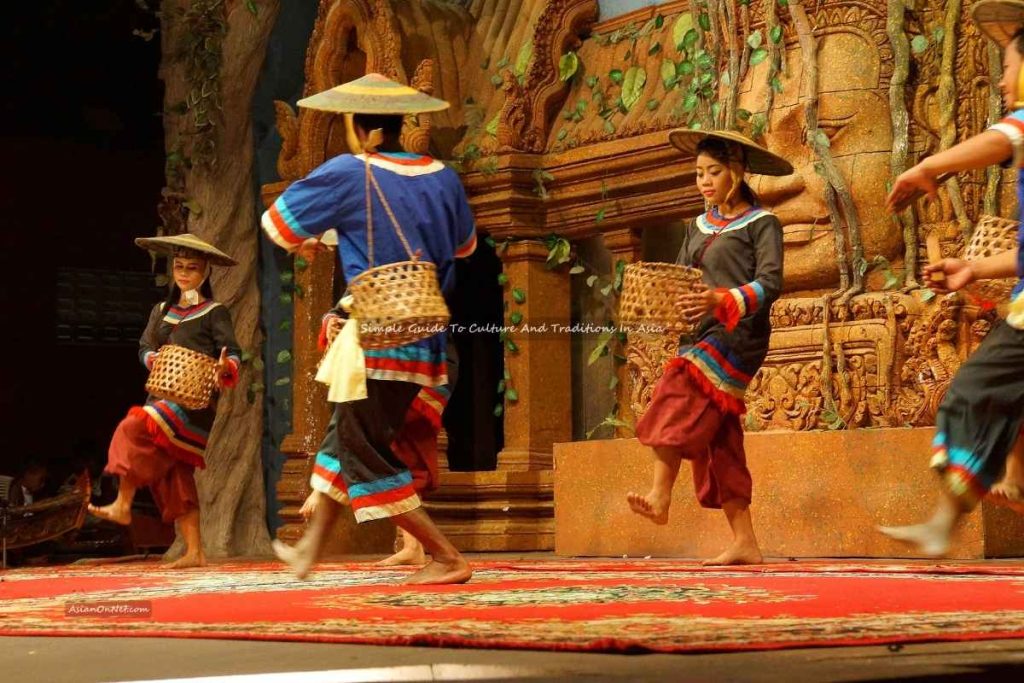
From the vibrant streets of Tokyo to the ancient temples of Bali, each country in Asia has its unique lifestyle, customs, and traditions. Understanding these cultural nuances can enhance your travel experiences, help you build meaningful connections with locals, and even avoid unintended offense. In this simple guide to culture and traditions in Asia, we will explore some essential aspects of Asian culture, providing practical advice for readers who want to immerse themselves in the local way of life.
👉 “Many Asian traditions are connected to celebrations, faith, and community, similar to Cultural Festivals Around the World.”
Understanding Asian Values
One of the most significant aspects of Asian culture is the concept of harmony and balance. In many Asian societies, the emphasis is on maintaining social order and avoiding conflict. This value is reflected in various customs such as bowing, using both hands when giving or receiving something, and showing respect to elders.
Another important aspect of Asian culture is the importance of family and community. In many Asian countries, family ties are strong, and community involvement is highly valued. For example, in Japan, the concept of “wa” (harmony) emphasizes the importance of group cohesion and cooperation.
In addition to these values, Asia also has a rich tradition of respect for elders, teachers, and authority figures. In many Asian cultures, it is customary to show deference to those who are older or more experienced, such as by using honorific titles or showing respect through body language.
Understanding Asian Culture and Traditions
Understanding Asian culture and traditions is crucial to truly appreciating the diversity of this vast continent. Each country in Asia has its unique customs, values, and practices that shape the daily lives of its people.
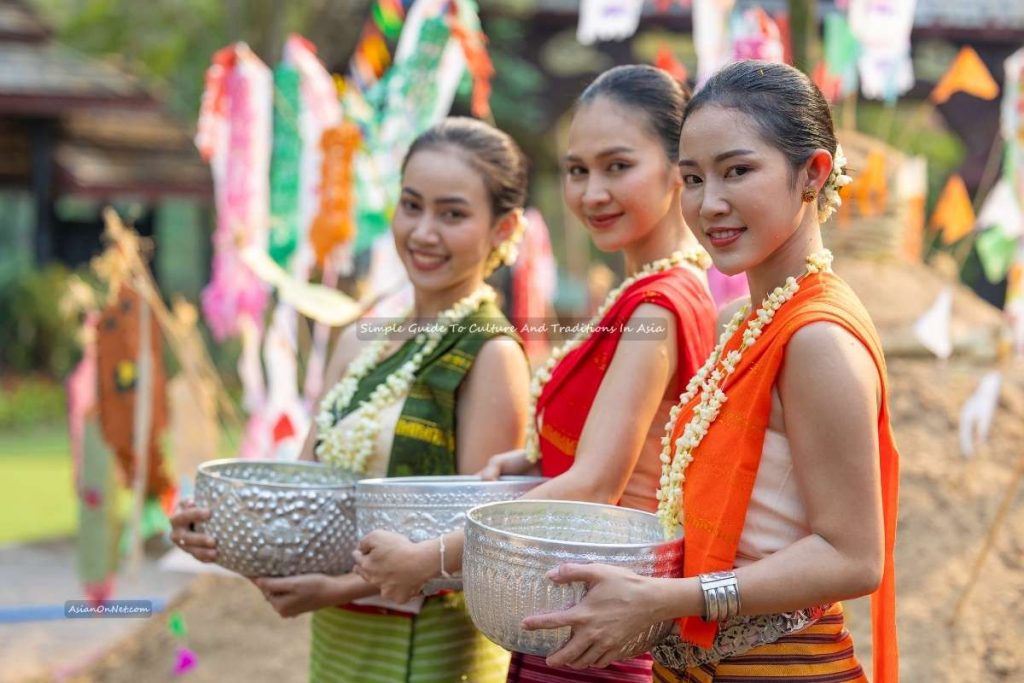
Taking a simple guide to culture and traditions in Asia as your reference, let’s explore some key aspects of Asian lifestyle. For instance, in many Asian countries, respect for elders is deeply ingrained in the culture. In Japan, for example, it’s customary to show respect to older individuals by bowing or using honorific language.
In India, the concept of “atithi devo bhava” (the guest is god) is a fundamental principle of hospitality. When hosting guests, Indians often go out of their way to make them feel welcome and comfortable. Similarly, in China, the art of gift-giving is an important aspect of building relationships.
Another essential aspect of Asian culture is the concept of “saving face.” In many Asian societies, maintaining social harmony and avoiding conflict are paramount. This means that individuals often avoid direct confrontation or criticism, even if it’s necessary to address a problem.
Practical Tips for Understanding Asian Culture
To better understand Asian culture and traditions, here are some practical tips:
- Be respectful of local customs and traditions. Research the specific customs of each country you visit or live in.
- Learn a few basic phrases in the local language to show your interest and respect for the culture.
- Observe and listen more than you speak. Pay attention to nonverbal cues and body language, which can convey a lot of information about cultural norms.
- Be patient and flexible. Cultural differences can lead to misunderstandings or miscommunications. Stay calm and adapt to new situations.
Navigating Asian Traditions and Customs
Navigating Asian traditions and customs can be overwhelming, especially for first-time visitors or expats. However, with a simple guide to culture and traditions in Asia, you can make informed decisions about how to behave and interact with locals.

For example, in many Asian countries, it’s customary to remove your shoes before entering a home or temple. In Japan, it’s also common to use chopsticks correctly when eating at a restaurant or at home.
In some Asian cultures, gift-giving is an important aspect of building relationships. In China, for instance, giving red envelopes filled with money during the Lunar New Year is a traditional practice that symbolizes good luck and prosperity.
Another essential aspect of navigating Asian traditions and customs is understanding the concept of “saving face.” This means avoiding direct confrontation or criticism, even if it’s necessary to address a problem. Instead, try to find a way to resolve conflicts in a way that maintains social harmony.
Immersion and Integration
Once you’ve learned about the various cultures and traditions in Asia, it’s time to dive deeper into the local way of life. One of the best ways to experience Asian culture is by immersing yourself in it.
Participate in Local Customs and Traditions
In many Asian countries, participating in local customs and traditions is a great way to show respect for the community and build relationships with locals. For example, in Japan, attending a traditional tea ceremony or visiting an onsen (hot spring) are both unique experiences that allow you to connect with Japanese culture.
Learn a Local Language
Learning a local language is not only a great way to improve your communication skills but also shows respect for the community. In many Asian countries, learning a few basic phrases in the local language can go a long way in making you feel welcome and included.
- In China, learning Mandarin Chinese can be a great way to connect with locals and understand their culture better.
- In India, learning Hindi or other regional languages can help you navigate everyday situations and build relationships with locals.
By participating in local customs and traditions, learning a local language, and engaging with the community, you’ll be able to experience Asian culture in a more authentic way. Remember, cultural immersion is key to truly understanding and appreciating the diversity of Asia’s cultures and traditions.
Practical Tips For Exploring Asian Cultures Respectfully
Before embarking on your journey to explore Asia’s rich cultural heritage, it’s essential to plan ahead. Researching local customs and traditions will help you navigate unfamiliar situations with confidence and respect.
- Learn a few basic phrases in the local language, such as greetings and thank-yous. This will show that you’re making an effort to understand their culture.
- Download essential apps like Google Translate or Maps.me to help you navigate unfamiliar areas.
- Carry a small guidebook or download a cultural app on your phone to familiarize yourself with local customs and traditions.
Additionally, consider the following tips when exploring Asia’s diverse cultures:
Be mindful of dress codes and modesty when visiting temples or attending cultural events. Avoid public displays of affection in conservative countries like Indonesia or Malaysia.
Respect for elders is deeply ingrained in many Asian cultures. When interacting with older individuals, use both hands to give or receive something, and avoid finishing a meal if the host has only eaten half.
Food plays a significant role in Asian culture, so be sure to try local specialties during your travels. However, always prioritize food safety and hygiene when eating street food or at markets.
👉 “One of the best ways to experience local traditions is through Festival Tours in Asia.”
Conclusion
By understanding simple guide to culture and traditions in asia, readers can make better choices and apply the ideas in a simple, practical way.
In conclusion, exploring Asia’s rich cultural heritage requires careful planning and an open mind. By researching local customs and traditions, respecting local norms, and being mindful of cultural differences, you’ll be able to navigate unfamiliar situations with confidence and enjoy a more authentic experience.
Remember, every culture has its unique charm and character. Be patient, flexible, and respectful, and you’ll find that the rewards of exploring Asia’s cultures far outweigh any initial challenges.
Readers learning about simple guide to culture and traditions in asia often want clear examples, simple explanations, practical benefits, and safe ways to apply the information.
FAQ
Why is simple guide to culture and traditions in asia useful?
simple guide to culture and traditions in asia is useful because it gives readers a clear starting point and helps them understand the topic step by step.
How can beginners use simple guide to culture and traditions in asia?
Beginners can use simple guide to culture and traditions in asia by starting with simple tips, learning the basic ideas, and applying them gradually.
What is the significance of respect in Asian culture?
In many Asian cultures, respect is a fundamental value that is deeply ingrained in daily life. It’s about showing deference to elders, authority figures, and those in positions of power. This concept of respect is not just limited to personal relationships but also extends to social norms and traditions.
How can I learn more about Asian customs and traditions?
There are numerous ways to delve into the world of Asian culture and traditions. You can start by reading books, articles, or online resources that focus on specific countries or regions within Asia. Additionally, watching documentaries, films, or TV shows that showcase Asian lifestyles can provide valuable insights.
What is the difference between Confucianism and Buddhism in terms of their impact on Asian culture?
Confucianism and Buddhism have had a profound influence on Asian culture, but they differ significantly in their philosophies and practices. Confucianism emphasizes the importance of social hierarchy, respect for authority, and personal morality, whereas Buddhism focuses on spiritual growth, self-discipline, and compassion.
Can I participate in traditional Asian festivals and celebrations?
Many Asian countries welcome visitors to participate in their traditional festivals and celebrations. These events often showcase vibrant cultural heritage, delicious food, and lively music. However, it’s essential to research the specific customs and etiquette associated with each festival to avoid unintentionally offending locals.
How can I incorporate Asian values into my daily life?
Incorporating Asian values into your daily life can be as simple as adopting certain habits or practices that are common in many Asian cultures. For example, you could try practicing meditation, following a traditional diet, or incorporating martial arts into your physical routine.
Are there any specific etiquette rules I should follow when visiting an Asian country?
Yes, there are several etiquette rules to keep in mind when visiting an Asian country. These include using both hands when giving or receiving something, not finishing a meal completely (as it implies the host did not provide enough food), and removing your shoes before entering a traditional home or temple.
Can I expect significant differences between Asian cultures?
Yes, there are many cultural differences within Asia that can be quite striking. For instance, Japan has a unique blend of traditional and modern culture, while India is known for its rich diversity and vibrant festivals. Understanding these differences can help you navigate everyday situations more smoothly.
How can I learn about the history behind Asian traditions?
Learning about the history behind Asian traditions can provide valuable context and insights into their significance. You can explore historical texts, documentaries, or online resources that delve into the origins of specific customs and practices.