







- Introduction
- Understand The Meaning Of Natural Wellness
- Recognise The Diversity Of Asian Traditions
- Separate Cultural Tradition From Scientific Evidence
- Be Careful With The Word “Remedy”
- Natural Does Not Automatically Mean Safe
- Do Not Replace Necessary Medical Care
- Understand Complementary And Alternative Use
- Ask What Evidence Supports A Claim
- Check Whether The Exact Product Was Studied
- Read Product Labels Carefully
- Check For Hidden Or Undeclared Ingredients
- Look For Quality Manufacturing
- Check Storage Conditions
- Be Cautious With Market Products
- Consider Possible Medicine Interactions
- Take Extra Care Before Surgery
- Pregnancy And Breastfeeding Require Caution
- Be Careful With Products For Children
- Consider Allergies And Skin Reactions
- Use Essential Oils Carefully
- Evaluate Massage And Bodywork Providers
- Check Practitioner Credentials
- Be Cautious At Wellness Retreats
- Understand Food-Based Wellness Claims
- Approach Detox Claims Carefully
- Avoid Rapid Weight-Loss And Performance Products
- Know When To Stop Using A Remedy
- Avoid Mixing Many New Products
- Keep A Wellness Product Record
- Check Travel And Customs Rules
- Shop Responsibly
- Respect Traditional Knowledge
- Questions To Ask Before Trying A Remedy
- Common Mistakes To Avoid
- A Practical Wellness Safety Checklist
- Conclusion
- FAQ
- Are Natural Wellness Remedies Automatically Safe?
- Can Herbal Products Interact With Prescription Medicine?
- How Can I Check The Quality Of A Wellness Product?
- Should Traditional Remedies Replace Medical Treatment?
- How Can I Evaluate A Traditional Practitioner?
- Are Wellness Products Suitable For Children?
- Are Herbal Remedies Safe During Pregnancy?
- What Are Warning Signs Of A Questionable Product?
- Can I Take Herbal Products Home From Asia?
- How Can I Explore Asian Wellness Traditions Responsibly?
Introduction
Asia has many long-established wellness traditions connected to herbs, food, massage, movement, bathing, breathing, rest, and daily routines. Some practices developed within organised medical systems, while others continue as household traditions or community customs.
Interest in natural wellness remedies in Asia has grown among residents, travellers, and people looking for complementary approaches to relaxation and everyday wellbeing. However, the word “natural” does not automatically mean that a product or treatment is safe, suitable, effective, or properly regulated.
Herbs can have active effects. Products may vary in strength and quality. Some remedies may interact with medicines, and certain treatments may be unsuitable during pregnancy, childhood, illness, or recovery from surgery.
The World Health Organization supports traditional medicine being approached in a science-based manner with attention to evidence, safety, quality, appropriate use, and respect for cultural diversity.
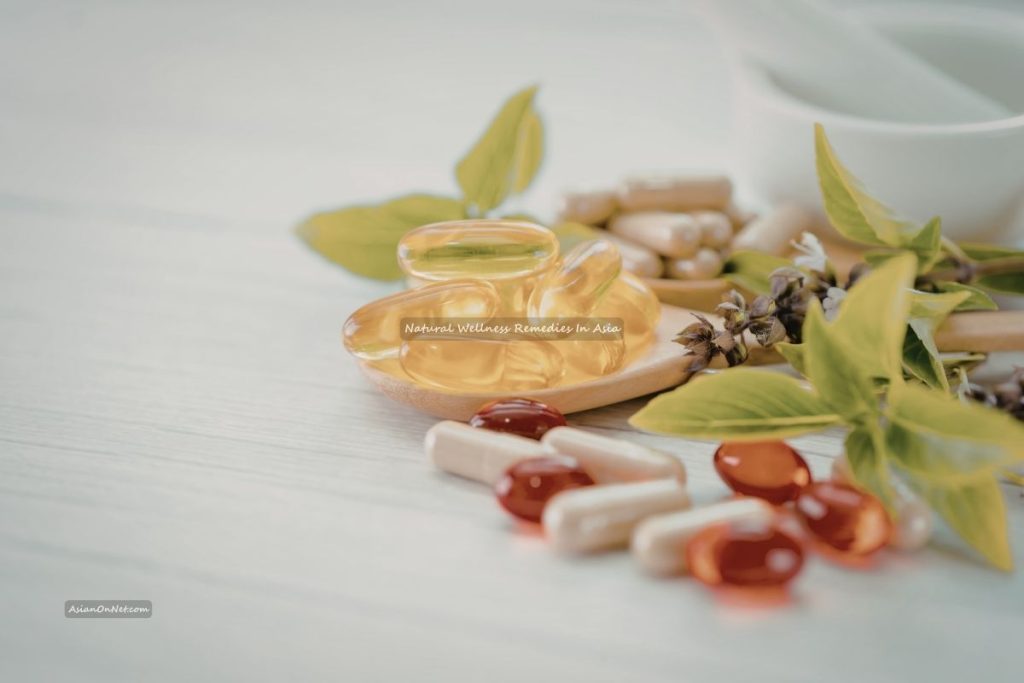
This guide provides a balanced introduction to natural wellness remedies in Asia. It focuses on understanding traditions, checking claims, choosing products and practitioners carefully, avoiding unsafe substitutions, and knowing when qualified medical advice is needed.
👉 “Readers exploring natural wellness traditions across Asia may also learn more about Thai herbal medicine and everyday wellness practices for additional cultural background and practical context.”
Understand The Meaning Of Natural Wellness
Natural wellness can describe many different activities and products.
It may include:
- Herbal teas
- Herbal compresses
- Massage
- Bathing traditions
- Aromatic products
- Breathing exercises
- Gentle movement
- Meditation
- Food-based traditions
- Topical balms
- Oils
- Heat-based practices
- Rest and sleep routines
Some of these practices are mainly used for comfort and relaxation. Others are promoted for specific health concerns.
When exploring natural wellness remedies in Asia, ask whether the product or practice is intended to support general wellbeing, relieve a temporary symptom, or treat a medical condition. These are not the same type of claim.
Recognise The Diversity Of Asian Traditions
Asia does not have one shared system of natural medicine.
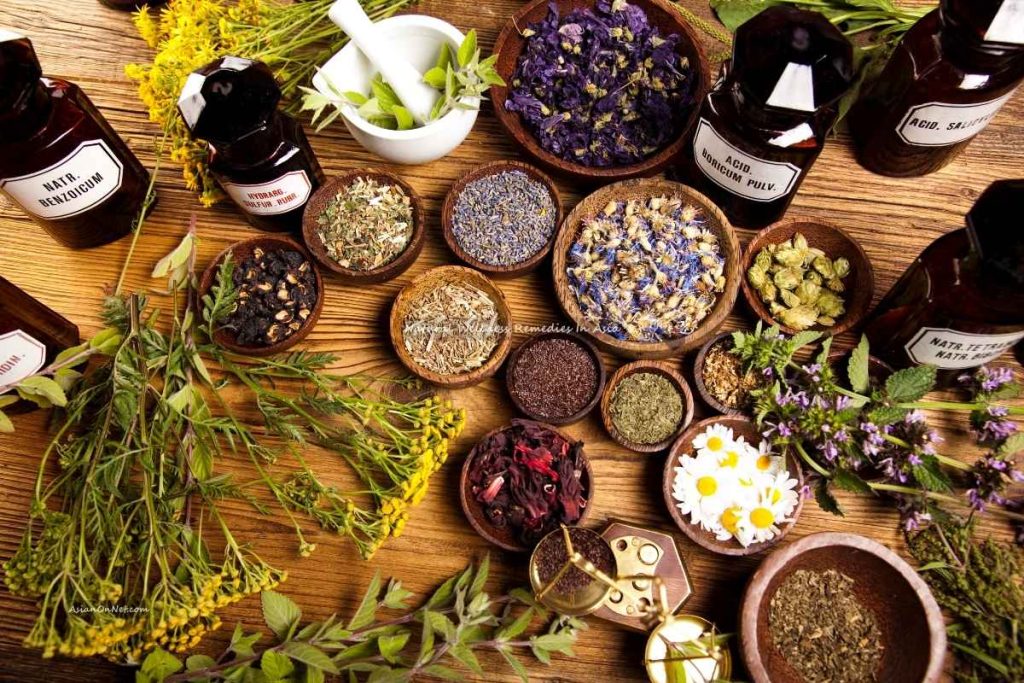
Different countries and communities have developed their own:
- Medical theories
- Herbal formulas
- Diagnostic methods
- Massage systems
- Food traditions
- Spiritual beliefs
- Training standards
- Product regulations
- Practitioner titles
- Cultural customs
Even within one country, methods can differ between regions, families, clinics, and professional schools.
Avoid describing every Asian practice as ancient, spiritual, herbal, or holistic. These general labels can hide important differences in training, evidence, purpose, and safety.
A respectful guide to natural wellness remedies in Asia should recognise this diversity rather than treating the continent as one wellness tradition.
Separate Cultural Tradition From Scientific Evidence
A practice may have cultural importance even when modern research remains limited.
Tradition can tell us:
- How long a practice has been used
- How communities understand it
- How it fits into daily life
- Which preparation methods are customary
- Why people value it
Scientific research asks different questions:
- Does it produce measurable benefits?
- How does it compare with another treatment?
- What dose was studied?
- Which risks were identified?
- Were the results repeated?
- Which patients were included?
- How strong was the evidence?
A traditional history does not prove that every claim is correct. At the same time, limited research does not make a cultural practice meaningless.
The safest approach to natural wellness remedies in Asia is to respect tradition while evaluating medical claims separately.
Be Careful With The Word “Remedy”
The word “remedy” may refer to:
- A comforting household practice
- A traditional preparation
- A wellness product
- A supplement
- A topical treatment
- A formally prescribed traditional medicine
- An unverified commercial product
Before trying something, determine exactly what it is.
Ask:
- What is the intended purpose?
- Is it eaten, inhaled, applied, or used externally?
- Which ingredients are included?
- How strong is it?
- Who prepared it?
- Is there a recommended amount?
- Are there warnings?
- Is professional supervision expected?
- Is it registered or legally sold?
This is especially important for concentrated products, capsules, powders, extracts, and mixtures containing several herbs.
Natural Does Not Automatically Mean Safe
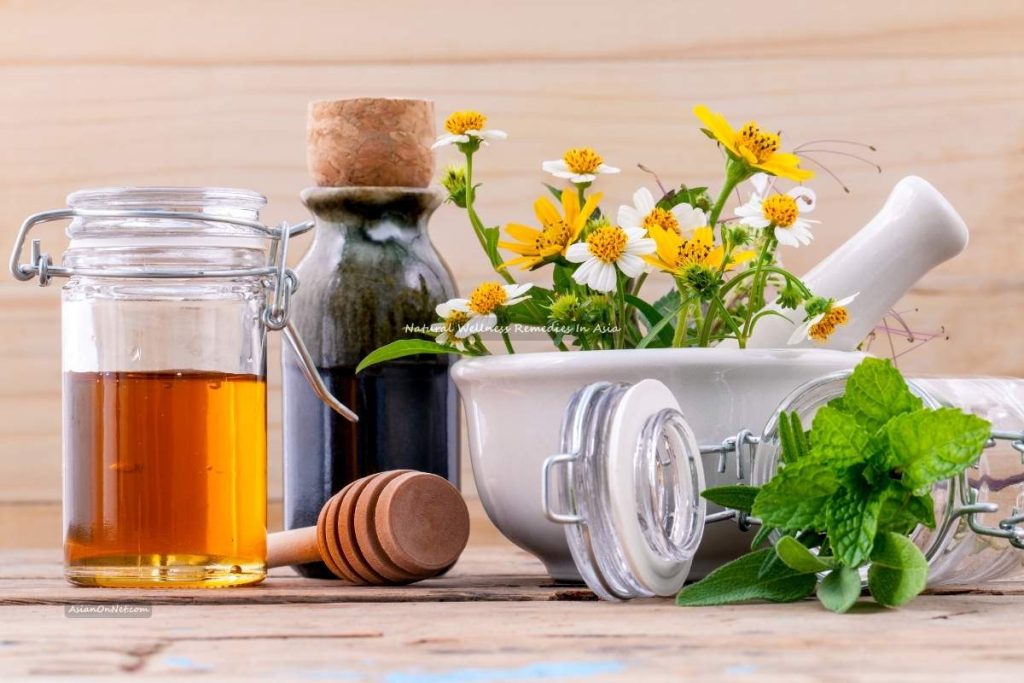
Plants contain biologically active substances. Natural products can cause side effects, allergic reactions, excessive doses, or interactions with medicines.
The risk may depend on:
- The ingredient
- The amount
- The preparation method
- The user’s age
- Pregnancy or breastfeeding
- Existing health conditions
- Prescription medicines
- Other supplements
- Product contamination
- Incorrect identification
NCCIH warns that some herb–medicine interactions can be serious and that information about many possible interactions remains limited.
Anyone taking regular medicine should discuss herbal products with a qualified healthcare professional or pharmacist before using them.
Do Not Replace Necessary Medical Care
Natural wellness practices may sometimes complement professional care, but they should not automatically replace diagnosis or treatment.
Seek appropriate medical care when symptoms are:
- Severe
- Sudden
- Unexplained
- Worsening
- Long-lasting
- Associated with breathing difficulty
- Associated with loss of consciousness
- Associated with severe pain
- Following a serious injury
- Affecting a baby or young child
- Occurring during pregnancy
- Suggestive of infection or another urgent condition
Be cautious when a seller or practitioner promises that natural wellness remedies in Asia can cure serious illness, replace all medicine, or guarantee recovery.
A responsible practitioner should understand the limits of the service and refer clients for medical evaluation when necessary.
Understand Complementary And Alternative Use
A complementary practice is used alongside conventional healthcare.
An alternative practice is used instead of conventional healthcare.
This distinction matters.
Examples of complementary use may include:
- Relaxation massage alongside medical care
- Gentle breathing exercises during recovery
- A mild wellness tea approved by a clinician
- Meditation used to support stress management
- A traditional movement practice adapted to physical ability
Using an unverified remedy instead of essential treatment can create greater risk.
When considering natural wellness remedies in Asia, tell all relevant healthcare providers what products and therapies are being used.
Ask What Evidence Supports A Claim
Commercial wellness claims may use words such as:
- Detox
- Cleanse
- Balance
- Boost
- Strengthen
- Purify
- Restore
- Burn
- Cure
- Reverse
- Remove toxins
These words can sound scientific without explaining what was measured.
Ask:
- What specific result is claimed?
- Was the exact product studied?
- Was the ingredient or the whole formula studied?
- How many people participated?
- Was the research independently reviewed?
- Were side effects reported?
- Does the evidence apply to people like me?
- Is the claim about relaxation or treatment?
A testimonial is a personal story, not proof that the same result will occur for everyone.
Check Whether The Exact Product Was Studied
Research about one herb does not automatically apply to every product containing that herb.
Products can differ in:
- Plant species
- Plant part
- Growing conditions
- Extraction process
- Concentration
- Additional ingredients
- Dose
- Storage
- Contamination
- Manufacturing quality
A study of a standardised extract may not support claims made about a tea, powder, balm, or mixed supplement.
When reviewing natural wellness remedies in Asia, focus on the exact formulation rather than only the best-known ingredient.
Read Product Labels Carefully
A useful label should identify:
- Product name
- Full ingredient list
- Amount or concentration
- Suggested use
- Warnings
- Manufacturer
- Country of production
- Batch or lot number
- Manufacturing date
- Expiry date
- Storage instructions
- Regulatory or registration information where applicable
Avoid ingestible products with:
- Missing ingredient lists
- No manufacturer
- No batch information
- Damaged packaging
- Unclear dosage
- Handwritten replacement labels
- Unexplained foreign-language instructions
- Claims to cure many unrelated conditions
A clear label does not prove effectiveness, but missing information makes careful use much harder.
Check For Hidden Or Undeclared Ingredients
Products promoted as herbal or natural may sometimes contain undeclared pharmaceutical ingredients, stimulants, or other substances.
The US Food and Drug Administration warns that products with hidden ingredients can be sold through websites, social media, shops, salons, spas, and supplement retailers. It also notes particular concerns involving products promoted for pain, sexual performance, weight loss, bodybuilding, and similar rapid results.
Treat dramatic promises and unusually fast results as warning signs.
Do not assume that a product is safe only because:
- The package shows plants
- It is sold in a wellness shop
- A social media creator recommends it
- The seller calls it traditional
- The label says natural
- It is available without a prescription
Look For Quality Manufacturing
The safety of natural wellness remedies in Asia depends partly on how ingredients are identified, processed, stored, and tested.
Possible quality concerns include:
- Wrong plant species
- Mould
- Bacteria
- Heavy metals
- Pesticide residues
- Undeclared medicines
- Excessive concentrations
- Substitution with cheaper ingredients
- Poor storage
- Inconsistent amounts between batches
Choose products from traceable manufacturers that provide clear contact details and production information.
Where independent testing or recognised quality certification exists, check what it actually covers. A certification may relate to manufacturing quality without proving that the product treats a particular condition.
Check Storage Conditions
Even a properly manufactured product can deteriorate when stored incorrectly.
Look for products that are:
- Sealed
- Dry
- Away from direct sunlight
- Protected from excessive heat
- Stored in clean conditions
- Within the expiry date
- Free from unusual odours
- Free from visible mould
- Free from insects
- Packaged without leaks
Avoid products sold in open containers when contamination or ingredient identification cannot be assessed.
Thailand and other warm, humid destinations may require especially careful storage after purchase.
Be Cautious With Market Products
Markets can offer interesting wellness products, but information and quality control may vary.
Before buying, ask:
- Who made this?
- What are the ingredients?
- Is it for internal or external use?
- How should it be used?
- How much should be used?
- Who should avoid it?
- When was it made?
- How long does it keep?
- How should it be stored?
- Is written information available?
For decorative, aromatic, or bathing products, risks may be relatively limited when used correctly. Ingestible preparations require greater caution.
Consider Possible Medicine Interactions
Herbs and supplements may change:
- How a medicine is absorbed
- How quickly it is broken down
- How strongly it acts
- How long it remains in the body
- The risk of bleeding
- Blood pressure
- Blood sugar
- Drowsiness
- Liver function
- Kidney function
Interactions may involve prescription medicines, over-the-counter products, and other supplements. NCCIH advises discussing supplement use with healthcare professionals because some combinations can increase side effects or reduce a medicine’s effectiveness.
Keep a written list or photographs of all products being used.
Take Extra Care Before Surgery
Some herbal products may affect bleeding, sedation, blood pressure, blood sugar, or the action of anaesthetic medicines.
Tell the surgical and anaesthetic team about:
- Herbal teas
- Capsules
- Powders
- Tinctures
- Traditional formulas
- Vitamins
- Wellness drinks
- Topical products used over large areas
Do not wait until the day of a procedure to mention them.
A healthcare professional should advise when particular products need to be stopped.
Pregnancy And Breastfeeding Require Caution
Pregnancy and breastfeeding can change how the body responds to herbs and concentrated products.
A product traditionally used by adults may not be appropriate during pregnancy. Some ingredients may affect the uterus, blood pressure, blood sugar, digestion, or medicine metabolism.
Avoid assuming that a mild tea, tonic, balm, or traditional formula is automatically safe.
Before using natural wellness remedies in Asia during pregnancy or breastfeeding, obtain advice from a qualified healthcare professional who can evaluate the exact ingredients.
Be Careful With Products For Children
Children are not simply smaller adults.
Their bodies process substances differently, and an adult serving divided into a smaller amount may still be unsuitable.
Parents should be cautious with:
- Concentrated herbal extracts
- Multi-ingredient formulas
- Essential oils
- Products containing alcohol
- Strong balms
- Products without age guidance
- Remedies advertised for rapid sedation
- Unlabelled powders
- Adult supplements
- Products making broad immunity claims
A paediatric healthcare professional should assess any ingestible remedy intended for a baby or young child.
Consider Allergies And Skin Reactions
Natural topical products may contain:
- Essential oils
- Fragrances
- Plant extracts
- Menthol
- Camphor
- Resins
- Nuts
- Seeds
- Coconut
- Preservatives
- Colouring agents
Possible reactions include redness, itching, swelling, burning, or breathing problems.
Do not apply a new product widely before checking the instructions. Avoid the eyes, broken skin, and sensitive areas unless the product is specifically intended for them.
Stop using the product if a reaction develops and seek medical help when symptoms are serious.
Use Essential Oils Carefully
Essential oils are highly concentrated and should not be treated like ordinary cooking herbs.
Potential problems can arise from:
- Swallowing them
- Applying them undiluted
- Using excessive amounts
- Using them near the eyes
- Exposing babies or pets
- Combining several oils
- Using them around respiratory conditions
- Storing them where children can reach them
A pleasant smell does not prove that an oil is safe for every method of use.
Check the exact botanical name, dilution guidance, warnings, and intended route of use.
Evaluate Massage And Bodywork Providers
Massage traditions are an important part of wellness culture in several Asian countries.
Before booking, ask:
- What type of massage is offered?
- How strong is the pressure?
- How long is the session?
- What training does the practitioner have?
- Are oils or herbal products used?
- Can the treatment be adjusted?
- Are there conditions that make it unsuitable?
- Is the environment clean?
- Is privacy handled appropriately?
- Can the session stop immediately if uncomfortable?
Tell the practitioner about recent injuries, surgery, pregnancy, pain, circulation problems, or other relevant health concerns.
Pain should not automatically be interpreted as proof that a massage is working.
Check Practitioner Credentials
Professional titles and licensing systems vary across Asia.
Ask:
- Where did the practitioner train?
- How long was the training?
- Is licensing or registration required locally?
- Is the practitioner currently registered?
- What conditions do they normally handle?
- Do they keep client records?
- Do they explain risks and alternatives?
- Do they refer clients to doctors?
- Are fees provided in advance?
- Is informed consent requested?
A qualified practitioner should be willing to explain the treatment without promising guaranteed results.
WHO’s work on traditional and complementary medicine emphasises quality assurance and minimum standards for safe practice.
Be Cautious At Wellness Retreats
A wellness retreat may combine accommodation, food, exercise, massage, meditation, supplements, fasting, or traditional consultations.
Before booking, check:
- Staff credentials
- Medical screening
- Emergency procedures
- Distance from medical care
- Food and allergy management
- Whether fasting is required
- Whether supplements are included
- Whether participation is optional
- Cancellation terms
- Insurance coverage
- Language support
- Handling of existing medicines
Avoid programmes that pressure guests to stop prescribed medicine, hide health information, or participate in extreme restrictions.
Understand Food-Based Wellness Claims
Many Asian food traditions include ingredients associated with comfort, seasonality, digestion, warmth, cooling, or recovery.
Eating a varied meal containing herbs and spices is different from taking a concentrated extract.
Food-based use may involve smaller amounts, while capsules and extracts can deliver much higher concentrations.
When evaluating food-related natural wellness remedies in Asia, ask whether the claim concerns:
- Normal nutrition
- Traditional food culture
- General comfort
- A concentrated therapeutic dose
- A specific medical outcome
Do not assume that consuming more of an ingredient produces a stronger benefit.
Approach Detox Claims Carefully
The body already uses organs including the liver, kidneys, lungs, skin, and digestive system to process and remove waste.
Commercial detox products may use unclear descriptions of unspecified toxins.
Before buying, ask:
- Which toxin is being discussed?
- How is it measured?
- What evidence shows the product removes it?
- Could the product cause dehydration?
- Does it contain laxatives?
- Is fasting required?
- Could it affect medicine absorption?
- Is the programme safe for the individual?
Claims that discomfort proves toxins are leaving the body should be treated cautiously.
Avoid Rapid Weight-Loss And Performance Products
Products promising rapid weight loss, increased sexual performance, bodybuilding effects, or immediate pain relief may present higher risks of undeclared active ingredients.
Warning signs include:
- Guaranteed fast results
- Before-and-after photographs without evidence
- Secret formulas
- No complete ingredient list
- Claims that no lifestyle changes are needed
- Statements that the product works like a prescription medicine
- Social-media-only sellers
- Pressure to buy several months of products
- Claims that side effects prove effectiveness
FDA safety notices continue to identify products marketed as natural or herbal that contain hidden drug ingredients.
Know When To Stop Using A Remedy
Stop using a product and seek professional advice when there is:
- A rash
- Swelling
- Breathing difficulty
- Severe nausea
- Persistent vomiting
- Dizziness
- Fainting
- Unusual bleeding
- Severe abdominal pain
- Confusion
- Yellowing of the skin or eyes
- Rapid worsening of symptoms
- A new problem after starting the product
Keep the packaging so healthcare professionals can review the ingredients.
Report suspected reactions through the appropriate health or product-safety authority where possible.
Avoid Mixing Many New Products
Starting several remedies at the same time makes it difficult to identify:
- Which one caused a side effect
- Which one produced any benefit
- Whether products interact
- Whether ingredients are duplicated
- Whether the total dose is excessive
A careful approach is to:
- Review the exact ingredients
- Discuss important risks
- Introduce only one change when appropriate
- Follow the labelled amount
- Record when it was started
- Monitor reactions
- Stop when problems appear
More products do not necessarily produce better results.
Keep A Wellness Product Record
For every ingestible or active topical product, record:
- Product name
- Manufacturer
- Full ingredients
- Batch number
- Purchase location
- Date started
- Amount used
- Reason for use
- Other medicines
- Benefits noticed
- Side effects
- Date stopped
Photographs of the front and back labels can be useful when discussing the product with a doctor or pharmacist.
Check Travel And Customs Rules
Some herbal products may face restrictions when transported internationally.
Possible concerns include:
- Unidentified powders
- Plant material
- Seeds
- Roots
- Dried leaves
- Products containing animal ingredients
- Products containing controlled substances
- Large quantities
- Items without commercial labels
- Liquid limits in hand luggage
- Products considered medicine at the destination
A product legally sold in one country may still be restricted in another.
Check current customs, health, agriculture, and airline rules before travelling with natural wellness remedies in Asia.
Shop Responsibly
Responsible wellness shopping includes considering:
- Legal sourcing
- Accurate plant identification
- Environmental impact
- Endangered species
- Excessive harvesting
- Plastic packaging
- Fair payment
- Honest health claims
- Cultural respect
- Community benefit
Be cautious with products containing rare plants, wildlife ingredients, coral, protected woods, or materials of unclear origin.
Wellness tourism should not create environmental harm or turn protected cultural knowledge into misleading marketing.
Respect Traditional Knowledge
Traditional knowledge may belong to communities, lineages, families, or professional systems.
Responsible discussion should:
- Credit the culture accurately
- Avoid calling every practice exotic
- Avoid claiming ownership of community knowledge
- Avoid reducing complex systems to one ingredient
- Distinguish tradition from marketing
- Recognise regional differences
- Avoid promising universal effects
- Respect sacred or ceremonial practices
Exploring natural wellness remedies in Asia can involve cultural learning as well as product selection.
Questions To Ask Before Trying A Remedy
Ask the seller, practitioner, pharmacist, or healthcare professional:
- What exactly is this product or treatment?
- What is it intended to do?
- Which ingredients are included?
- How is it used?
- What amount is recommended?
- How long should it be used?
- Who should avoid it?
- What side effects are possible?
- Can it interact with medicines?
- Is it safe during pregnancy?
- Is it appropriate for children?
- How was it manufactured?
- Is there quality testing?
- When should medical care be sought?
Clear answers are an important sign of responsible practice.
Common Mistakes To Avoid
Assuming Natural Means Harmless
Natural substances can still produce strong effects, allergies, toxicity, and interactions.
Believing Every Traditional Claim
Cultural history and scientific evidence answer different questions.
Using Several Products At Once
This increases complexity and makes reactions harder to identify.
Hiding Supplement Use From A Doctor
Healthcare professionals need complete information to evaluate interactions and symptoms.
Buying Unlabelled Products
Missing ingredients, amounts, and manufacturer details make risk assessment difficult.
Replacing Essential Treatment
Delaying necessary medical care may allow a condition to worsen.
Trusting Dramatic Testimonials
Personal stories do not establish safety or effectiveness.
Ignoring Product Storage
Heat, moisture, sunlight, and damaged packaging can affect quality.
Choosing A Practitioner Only By Price
Training, hygiene, communication, and safety procedures also matter.
Avoiding these mistakes creates a more responsible approach to natural wellness remedies in Asia.
A Practical Wellness Safety Checklist
Before trying a product or treatment, review:
Purpose: Is it intended for relaxation, general wellness, symptom relief, or treatment?
Evidence: What supports the specific claim?
Ingredients: Are all ingredients and amounts listed?
Quality: Is the manufacturer or practitioner traceable?
Interactions: Could it affect medicines or other supplements?
Suitability: Is it appropriate for the user’s age and health?
Warnings: Are side effects and restrictions explained?
Urgency: Could the symptoms require medical care?
Travel: Can the product legally be transported?
Culture: Is the tradition being represented respectfully?
This checklist can make decisions about natural wellness remedies in Asia more informed.
👉 “Readers exploring natural wellness traditions may also find these simple mind and body wellness ideas inspired by Asia helpful for supporting everyday balance and relaxation.”
Conclusion
Natural wellness remedies in Asia reflect a wide range of cultural traditions, professional medical systems, household practices, products, and modern wellness services.
Some approaches are mainly intended for relaxation or everyday comfort. Others make specific health claims and require more careful evaluation.
Begin by identifying exactly what the remedy contains, how it is used, who prepared it, and what it claims to do. Do not rely only on words such as traditional, herbal, natural, or ancient.
Evidence should be considered separately from cultural importance. A practice can hold cultural value while still having limited evidence for a particular medical claim.
Safety is essential when using natural wellness remedies in Asia. Herbs and supplements may cause side effects or interact with prescription and over-the-counter medicines. Pregnancy, breastfeeding, childhood, surgery, and chronic health conditions require additional caution.
Choose clearly labelled products from traceable manufacturers. Check ingredients, amounts, warnings, batch information, expiry dates, and storage conditions. Avoid products that promise guaranteed cures or immediate results.
Practitioners should be able to explain their training, methods, limitations, fees, and safety procedures. Responsible practitioners do not pressure clients to stop essential medicine or avoid medical care.
Massage, movement, meditation, bathing, and other wellness experiences may support relaxation when they are appropriate for the individual. They should still be adjusted for injuries, health conditions, pregnancy, and personal comfort.
Responsible exploration of natural wellness remedies in Asia also includes respecting cultural knowledge, avoiding questionable wildlife or plant materials, and checking customs rules before carrying products internationally.
A balanced approach does not reject tradition or accept every claim without question. It combines cultural respect, careful evidence, product quality, professional advice, and realistic expectations.
FAQ
Are Natural Wellness Remedies Automatically Safe?
No. Natural products can cause side effects, allergic reactions, excessive doses, contamination, or medicine interactions.
Can Herbal Products Interact With Prescription Medicine?
Yes. Some herbal products may increase side effects, reduce effectiveness, or change how medicines are processed.
How Can I Check The Quality Of A Wellness Product?
Look for a complete ingredient list, manufacturer details, amounts, warnings, batch information, expiry date, storage instructions, and intact packaging.
Should Traditional Remedies Replace Medical Treatment?
They should not replace necessary diagnosis or treatment without guidance from a qualified healthcare professional.
How Can I Evaluate A Traditional Practitioner?
Ask about training, registration, experience, treatment methods, risks, hygiene, fees, informed consent, and referral procedures.
Are Wellness Products Suitable For Children?
Not automatically. Children process substances differently, and adult remedies or doses may be unsafe for them.
Are Herbal Remedies Safe During Pregnancy?
Not all of them. Pregnant or breastfeeding people should discuss the exact ingredients with a qualified healthcare professional.
What Are Warning Signs Of A Questionable Product?
Warning signs include secret ingredients, guaranteed cures, rapid-result claims, missing manufacturer details, unclear doses, and pressure to stop prescribed medicine.
Can I Take Herbal Products Home From Asia?
It depends on the ingredients and the rules of the destination country. Plant material, powders, animal ingredients, medicines, and controlled substances may be restricted.
How Can I Explore Asian Wellness Traditions Responsibly?
Learn about the cultural context, check safety and evidence, choose traceable products and qualified practitioners, and avoid exaggerated health claims.