






- Introduction
- Understand What “Handmade” Can Mean
- Look For Signs Of Quality Workmanship
- Distinguish Character From Damage
- Test Whether The Product Functions Properly
- Examine The Finish
- Ask Who Made The Product
- Ask How The Product Was Made
- Ask Whether The Product Is Unique Or Repeated
- Check The Materials Carefully
- Look Beyond General Material Labels
- Check For Material Consistency
- Be Careful With Strong Authenticity Claims
- Handmade Versus Factory-Produced Goods
- Compare Similar Items Before Buying
- Understand Why Handmade Prices Vary
- Decide Whether The Price Feels Fair
- Bargain Respectfully
- Ask About A Better Price Politely
- Avoid Turning Bargaining Into Conflict
- Ask For A Receipt
- Shop Responsibly
- Support Makers More Directly Where Possible
- Be Careful With Exploitative Stories
- Respect Cultural Meaning
- Avoid Questionable Animal Materials
- Be Careful With Plants, Seeds, And Natural Materials
- Watch For Cultural Heritage Restrictions
- Check Your Destination Country’s Import Rules
- Consider Airline And Baggage Rules
- Inspect The Product Before Packing
- Pack Fragile Products Carefully
- Do Not Rely Only On Thin Wrapping
- Decide Whether Shipping Is Safer
- Think About Maintenance At Home
- Consider Whether The Purchase Fits Your Needs
- Common Shopping Mistakes
- A Practical Buyer Checklist
- Questions Worth Asking The Seller
- Conclusion
- FAQ
- How Can I Tell Whether A Product Is Well Made?
- Does Handmade Mean No Machines Were Used?
- How Can I Tell If A Product Is Factory-Produced?
- What Should I Ask About Materials?
- Is Bargaining Acceptable?
- How Can I Shop More Ethically?
- Which Handmade Products May Face Travel Restrictions?
- How Should I Pack A Fragile Handmade Product?
- Should I Ask For A Receipt?
- Is Shipping Better Than Carrying A Purchase Home?
Introduction
Markets, workshops, small galleries, village shops, and independent studios can offer memorable products connected to local skills and traditions. A handmade purchase may also provide a direct way to support artisans and small businesses.
However, buying handmade products in Asia requires more than choosing an attractive object. Products described as handmade can vary widely in quality, origin, materials, production methods, and price. Some may be created entirely by hand, while others combine machine production with hand-finishing. Some sellers work directly with makers, while others purchase goods from wholesalers.
A thoughtful buyer should examine the workmanship, ask clear questions, check the materials, compare prices carefully, and consider whether the product can be transported legally and safely.
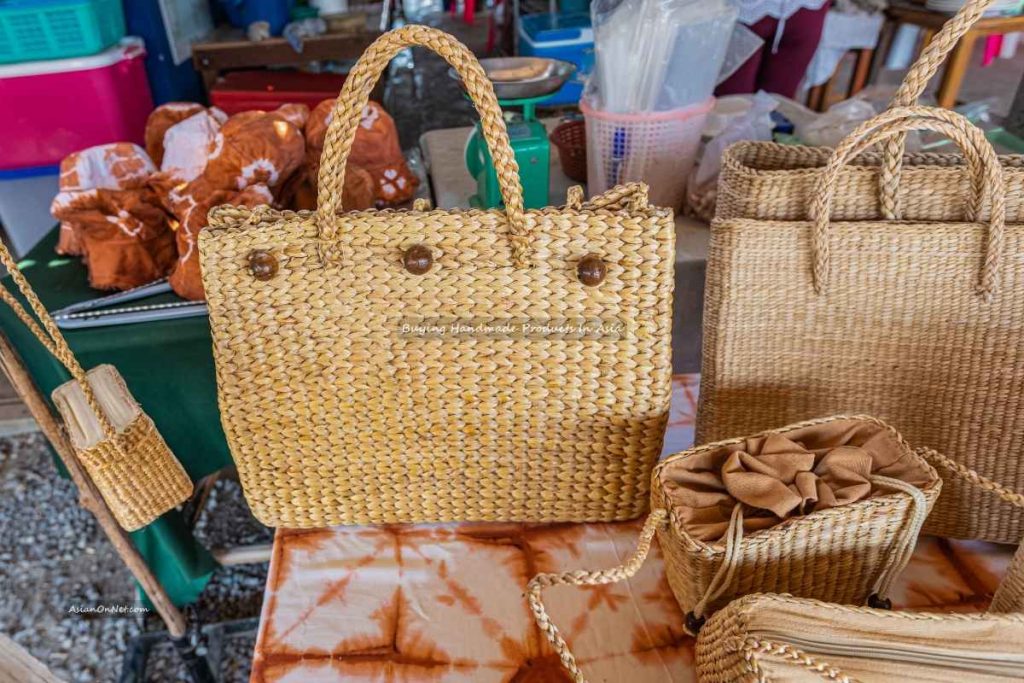
This guide focuses on the practical decisions involved in buying handmade products in Asia without repeating long lists of individual craft types. It explains how to evaluate quality, communicate with sellers, bargain respectfully, pack fragile purchases, and shop in a more responsible way.
👉 “Families interested in handmade products may also explore these practical Bangkok shopping tips for families for more help with markets, malls, and everyday purchases.”
Understand What “Handmade” Can Mean
The word “handmade” does not always describe one specific production method.
A product may be:
- Made entirely by one artisan
- Produced by several specialists
- Shaped by hand but finished with machines
- Machine-cut and decorated by hand
- Produced in small batches
- Based on a traditional design but made with modern tools
- Factory-produced and presented as handmade
This does not mean that every product involving machinery is poor quality. Many skilled makers use modern equipment for cutting, polishing, drilling, firing, or finishing while still completing important stages by hand.
When buying handmade products in Asia, the more useful question is not simply whether a machine was used. Ask which parts were handmade, who made the product, and how the item was produced.
Look For Signs Of Quality Workmanship
Good workmanship is often visible in the details.
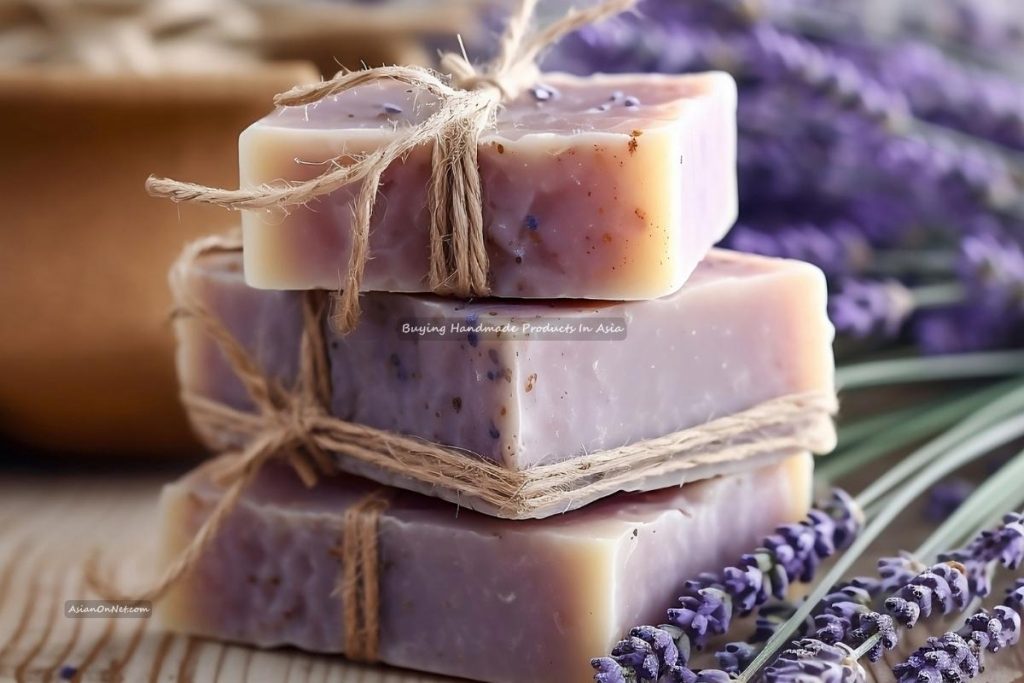
Examine the product from several angles rather than looking only at the front. Check the underside, edges, corners, seams, joints, closures, handles, and interior surfaces.
Signs of careful workmanship may include:
- Clean and secure construction
- Even finishing
- Strong joints
- Smooth edges where appropriate
- Neat stitching or fastening
- Balanced proportions
- Stable bases
- Consistent surface treatment
- Carefully completed backs and undersides
- Functional moving parts
- No unexpected cracks or loose pieces
Small variations can be normal in handmade work. A slight difference in shape, colour, or pattern may reflect human production rather than a defect.
The important distinction is between natural variation and careless construction.
Distinguish Character From Damage
Handmade products may not look perfectly identical. This individuality is often part of their appeal.
Natural handmade variation can include:
- Slightly uneven lines
- Small differences in colour
- Minor variations in size
- Visible tool marks
- Irregular but intentional patterns
- Small differences between matching pieces
Possible warning signs include:
- Weak or separating joints
- Sharp unfinished edges
- Loose decoration
- Cracks that affect strength
- Peeling surfaces
- Strong chemical smells
- Poorly attached handles
- Unstable bases
- Missing parts
- Repairs hidden under paint or decoration
Before buying handmade products in Asia, ask whether visible marks are part of the production process or signs of damage.
Test Whether The Product Functions Properly
An attractive item should also work as intended.
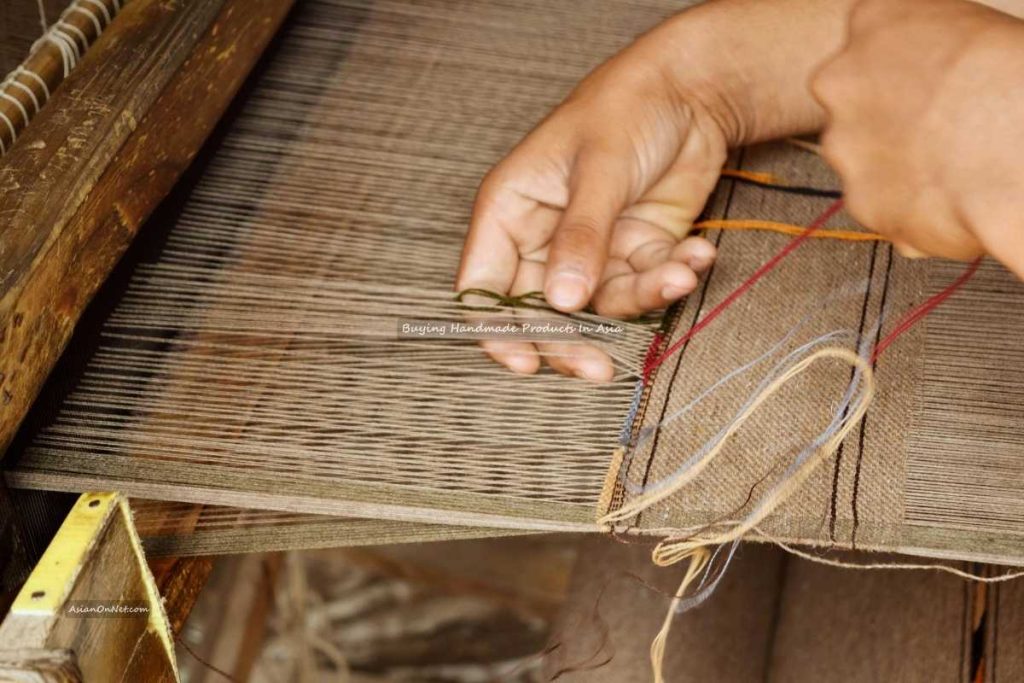
Depending on the object, test whether it:
- Opens and closes correctly
- Stands securely
- Holds weight
- Fits together properly
- Has working fasteners
- Can be cleaned
- Has secure handles
- Contains removable parts
- Has sharp or fragile areas
- Is suitable for regular use
Ask permission before testing or handling delicate goods.
For wearable, functional, or household items, practical use matters as much as appearance.
Examine The Finish
The finish can reveal how much care went into the final stage of production.
Check for:
- Uneven coatings
- Sticky surfaces
- Flaking paint
- Visible glue
- Rough sanding
- Colour transfer
- Weak varnish
- Unsealed areas
- Strong chemical odours
- Decorative layers that scratch easily
Ask the seller whether the product is intended for display or everyday use. Some decorative pieces may not be water-resistant, heat-resistant, washable, or suitable for contact with food.
This is especially important when buying handmade products in Asia for practical use rather than decoration.
Ask Who Made The Product
One of the most useful questions is:
Who made this item?
A knowledgeable seller may be able to explain:
- The artisan’s name
- The village or workshop
- The region of production
- The production technique
- How long the process takes
- Whether the item is made individually or in batches
- Whether the seller works directly with the maker
- Whether the maker receives a share of the sale
A seller may not know every detail, especially in a large market. However, vague answers combined with strong claims of authenticity should encourage caution.
When buying handmade products in Asia, clear information about the maker can add confidence and meaning to the purchase.
Ask How The Product Was Made
Useful questions include:
- Which parts were completed by hand?
- Was the item made by one person or a group?
- How long did it take to produce?
- Was it made locally?
- Is this design traditional, modern, or adapted?
- Are several identical pieces available?
- Is the decoration hand-painted or printed?
- Were machines used during production?
- Was the product assembled from ready-made parts?
- Can the seller explain the finishing process?
The goal is not to challenge the seller aggressively. These questions help you understand what you are paying for.
Ask Whether The Product Is Unique Or Repeated
A handmade product can still be produced in a repeated design.
Ask whether:
- Each item is unique
- The design is produced in a limited series
- The same product is supplied to many shops
- Colours or dimensions can vary
- Custom orders are possible
- The maker signs or marks the work
- Replacement pieces are available
Seeing many completely identical items does not automatically prove factory production, but it may indicate moulds, templates, digital printing, or large-scale production.
Check The Materials Carefully
Material quality can affect durability, appearance, maintenance, safety, and travel restrictions.
Ask:
- What is the main material?
- Is it natural, synthetic, recycled, or mixed?
- Has it been treated or coated?
- Is the colour natural or dyed?
- Does it contain animal-derived material?
- Is the wood untreated or protected?
- Is the metal solid, plated, or coated?
- Does it contain glue, resin, or plastic?
- Is the material safe for food contact?
- How should it be cleaned?
When buying handmade products in Asia, material questions are especially important when the item will be worn, washed, used with food, or exposed to heat and moisture.
Look Beyond General Material Labels
Descriptions such as “wood,” “silver,” “silk,” “stone,” “leather,” or “natural” may be too general.
Ask for more detail where it matters.
For example:
- What species or type is it?
- Is the metal solid or plated?
- Is the stone natural, treated, reconstructed, or synthetic?
- Is the surface painted, dyed, stained, or printed?
- Is the material new, reclaimed, or recycled?
- Is the leather genuine, bonded, or synthetic?
- Is the fibre pure or blended?
Do not assume that an English label provides a complete technical description.
Check For Material Consistency
Inspect more than one area of the product.
Look for:
- Different colours beneath the surface
- Plating wearing away
- Filled cracks
- Veneers over another material
- Thin coatings
- Plastic parts presented as natural
- Uneven thickness
- Weak hidden components
- Repaired sections
- Material substitutions
A seller may honestly describe the primary material while smaller components are made from something else. Ask about handles, linings, clasps, coatings, adhesives, and decorative parts.
Be Careful With Strong Authenticity Claims
Terms such as “traditional,” “ancient,” “tribal,” “antique,” “rare,” “pure,” and “original” can increase perceived value.
Ask the seller to explain what the claim means.
For example:
- Is the design traditional or is the object itself old?
- Is it made by a member of the named community?
- Is the material certified?
- Is the item genuinely antique or made in an antique style?
- Is there documentation?
- Can the seller explain its age or origin?
- Is the description based on verified information?
When buying handmade products in Asia, treat unsupported claims as part of the sales description rather than confirmed fact.
Handmade Versus Factory-Produced Goods
Factory production is not automatically dishonest or low quality. Problems arise when factory-produced goods are deliberately presented as individual artisan work.
Signs that a product may be factory-produced include:
- Large quantities of identical pieces
- Perfectly uniform patterns
- Printed decoration presented as hand-painted
- Seams or mould lines from industrial production
- Identical minor “imperfections”
- The same product appearing in unrelated markets
- Very low prices that seem inconsistent with the claimed labour
- Packaging marked with a different production origin
- Sellers unable to explain the maker or process
Some products are made through mixed production. A base may be factory-produced and later painted, carved, assembled, or decorated by hand.
The buyer should decide whether the product and price match the actual process.
Compare Similar Items Before Buying
Avoid buying the first product you see unless you already understand its typical quality and price.
Compare:
- Workmanship
- Material
- Weight
- Finish
- Size
- Seller knowledge
- Production story
- Packaging
- Price
- Return or exchange conditions
Looking at several examples helps you recognise quality differences.
When buying handmade products in Asia, comparison should not focus only on finding the lowest price. A more expensive item may involve better material, longer production time, or more skilled finishing.
Understand Why Handmade Prices Vary
Several factors may affect the price:
- Time required
- Skill level
- Material cost
- Design complexity
- Size
- Finishing quality
- Transport costs
- Retail location
- Seller commission
- Limited production
- Custom work
- Packaging
- Certification or documentation
Two similar-looking products may have very different production methods.
Ask why one piece costs more. A good seller may explain the difference in material, process, size, or craftsmanship.
Decide Whether The Price Feels Fair
A fair price should reflect the product, labour, location, and sales context.
Before negotiating, consider:
- How much work appears to be involved
- Whether the material is expensive
- Whether the maker is selling directly
- Whether the shop has fixed prices
- Whether the setting normally allows bargaining
- Whether the price includes secure packaging
- Whether the product is unique
- Whether the seller provides detailed information
- Whether similar products have comparable prices
A fair price is not always the lowest possible price.
Bargain Respectfully
Bargaining practices vary across countries, cities, markets, and shops. Some sellers expect negotiation, while others use fixed prices.
Before bargaining:
- Look for price labels
- Observe how the shop handles other customers
- Ask politely whether there is a discount
- Avoid making an extremely low opening offer
- Remain friendly
- Do not criticise the product to reduce the price
- Do not negotiate unless you are genuinely interested
- Be prepared to walk away politely
- Respect a clear final price
When buying handmade products in Asia, aggressive bargaining can undervalue the maker’s time and skill.
Ask About A Better Price Politely
Useful questions include:
- Is this the fixed price?
- Is there a discount?
- Is there a better price if I buy two?
- Does the price include packaging?
- Can you offer a combined price?
- Is there a different size at a lower price?
- Can I pay by card?
- Is there an additional fee?
Buying several items may create more room for a discount than negotiating heavily over one small purchase.
Avoid Turning Bargaining Into Conflict
A respectful negotiation should remain calm.
Avoid:
- Laughing at the price
- Claiming the item has no value
- Comparing the seller negatively with another seller
- Threatening a bad review
- Handling products carelessly
- Demanding a discount because you are a tourist
- Continuing after the seller clearly refuses
- Agreeing to a price and then restarting the negotiation
A friendly exchange is more appropriate for buying handmade products in Asia than treating every purchase as a contest.
Ask For A Receipt
A receipt may help with:
- Customs questions
- Insurance claims
- Returns
- Authenticity records
- Shipping problems
- Declaring valuable purchases
- Remembering where the item was bought
Ask whether the receipt can include:
- Seller name
- Date
- Product description
- Material
- Price
- Country of origin
- Contact information
For higher-value items, keep the receipt separate from the product during travel.
Shop Responsibly
Responsible shopping means considering the people, materials, animals, environment, and cultural context connected to the product.
Look for sellers who can explain:
- Who made the item
- Where it was produced
- How makers are paid
- Whether materials are legally sourced
- Whether endangered species are involved
- Whether the design is used respectfully
- Whether production creates unnecessary waste
- Whether the product supports a community project
- Whether claims can be verified
Responsible buying handmade products in Asia does not require every purchase to carry a formal certification. It does require thoughtful questions and realistic judgment.
Support Makers More Directly Where Possible
Buying from a workshop, artisan cooperative, community enterprise, studio, or maker-run shop may provide more direct support.
Possible advantages include:
- Better information about production
- A clearer connection to the maker
- Opportunities to see the process
- More transparent pricing
- Customisation
- Better care instructions
- More accurate material descriptions
However, small independent retailers can also support artisans by handling marketing, transport, and customer access. Direct purchase is not the only responsible model.
Be Careful With Exploitative Stories
Some sellers may use emotional stories to encourage a purchase.
A product may be described as supporting:
- Poor families
- Remote communities
- Refugees
- Women’s groups
- Indigenous makers
- Disabled artisans
- Environmental projects
These claims may be genuine, exaggerated, or difficult to verify.
Ask whether the organisation has:
- A named project
- A clear payment model
- Public information
- Maker profiles
- Contact details
- Transparent explanations
- Consistent product information
Do not assume that a higher price automatically benefits the maker.
Respect Cultural Meaning
Some designs, images, symbols, clothing styles, or ceremonial objects may carry cultural or religious meaning.
Before buying, ask:
- Is the item intended for everyday use?
- Is it a reproduction?
- Does it have ceremonial importance?
- Is it respectful to wear or display?
- Was it made for tourists or local use?
- Are there restrictions on exporting it?
- Is it an original cultural object or a modern interpretation?
Respectful buying handmade products in Asia includes understanding that not every meaningful object should be treated as a decorative souvenir.
Avoid Questionable Animal Materials
Products made from animal parts may create legal, ethical, and travel problems.
Be cautious with items claimed to contain:
- Ivory
- Coral
- Shell from protected species
- Reptile skin
- Rare feathers
- Bone
- Horn
- Teeth
- Fur
- Taxidermy
- Marine animal products
A seller’s assurance that an item is legal locally does not guarantee that it can be exported or imported into your destination country.
When the material is unclear, do not buy it.
Be Careful With Plants, Seeds, And Natural Materials
Some handmade products contain:
- Seeds
- Dried plants
- Untreated wood
- Bark
- Soil
- Straw
- Dried flowers
- Bamboo
- Fruit shells
- Natural fibres
- Insect specimens
Agricultural and biosecurity rules may restrict these materials.
Before buying handmade products in Asia, check whether the item has been treated, whether documentation is available, and whether the destination country allows it.
Watch For Cultural Heritage Restrictions
Antiques, archaeological objects, religious art, fossils, historic manuscripts, and culturally important objects may be subject to export controls.
Do not assume that an item can be exported because it is openly displayed for sale.
Ask:
- Is this newly made?
- Is it an antique?
- Does it require an export permit?
- Is documentation included?
- Can the seller provide proof of legal ownership?
- Is it a reproduction?
- Has it been registered?
For uncertain or valuable objects, confirm the rules with the relevant authorities before completing the purchase.
Check Your Destination Country’s Import Rules
Travel restrictions depend on both the place of purchase and the destination.
An item may be legal to sell and export but restricted when entering another country.
Check current rules concerning:
- Animal products
- Plant materials
- Food
- Wood
- Antiques
- Cultural objects
- Weapons or weapon-like objects
- Medicines
- Precious materials
- Items containing soil
- Large quantities intended for resale
Official customs and biosecurity information should be checked before travelling because regulations may change.
Consider Airline And Baggage Rules
Some handmade products may create baggage problems even when customs allows them.
Consider:
- Size
- Weight
- Sharp edges
- Fragility
- Liquid coatings
- Batteries or lights
- Pressurised components
- Tools
- Blades
- Long handles
- Items that resemble weapons
Ask the airline whether the item belongs in checked baggage or carry-on luggage.
Inspect The Product Before Packing
Before leaving the shop:
- Check for existing cracks
- Photograph the item
- Confirm all parts are included
- Test closures
- Remove loose pieces
- Ask how it should be positioned
- Request protective wrapping
- Keep care instructions
- Keep the receipt
- Confirm whether the packaging can be opened by customs
Photographs can help show the item’s condition before travel.
Pack Fragile Products Carefully
Fragile goods need protection from pressure, impact, vibration, and movement.
A practical packing method may include:
- Wrapping each item separately
- Protecting corners and handles
- Filling hollow areas carefully
- Using soft material around delicate parts
- Placing the item inside a firm box
- Filling empty spaces
- Keeping heavy objects away
- Positioning the product in the centre of the luggage
- Avoiding direct contact with suitcase walls
- Marking the package as fragile
The seller may have experience packing similar items for travellers. Ask for advice before leaving.
Do Not Rely Only On Thin Wrapping
A single layer of paper or bubble wrap may not protect an item in checked baggage.
Ask whether the seller can provide:
- A rigid box
- Reinforced corners
- Foam
- Internal supports
- Separate wrapping for removable parts
- Double boxing
- A carrying case
- Professional shipping
When buying handmade products in Asia, packing quality should be considered part of the total cost.
Decide Whether Shipping Is Safer
Large, heavy, valuable, or extremely fragile products may be safer to ship.
Before choosing shipping, ask:
- Which company will handle it?
- Is tracking included?
- Is insurance available?
- Who completes customs documents?
- How is value declared?
- Who pays import duties?
- What happens if the item arrives damaged?
- Is professional packing included?
- How long does delivery normally take?
- Is the shipping provider independent from the seller?
Keep copies of receipts, photographs, shipping documents, and seller contact details.
Think About Maintenance At Home
Before purchasing, ask how the product should be:
- Cleaned
- Stored
- Protected from humidity
- Protected from sunlight
- Repaired
- Polished
- Washed
- Dried
- Displayed
- Transported again
A product suitable for a humid tropical climate may react differently in a colder or drier environment.
Good care information can increase the long-term value of the purchase.
Consider Whether The Purchase Fits Your Needs
A product may be beautiful but impractical.
Before buying handmade products in Asia, consider:
- Where it will be used
- Whether it fits in the home
- Whether it matches the intended purpose
- Whether it is easy to clean
- Whether it is safe around children or pets
- Whether it is too fragile
- Whether replacement parts exist
- Whether the buyer can transport it safely
- Whether the material requires special care
- Whether the item will still feel meaningful later
A thoughtful purchase is usually better than an impulsive one.
Common Shopping Mistakes
Assuming Every Market Product Is Handmade
Many markets combine artisan goods, imported products, and factory-produced souvenirs.
Choosing Only By Appearance
Workmanship, materials, function, and durability also matter.
Accepting Vague Material Claims
Ask what the product is actually made from and whether it has coatings or mixed components.
Bargaining Without Considering Labour
A very low price may not fairly reflect the maker’s time.
Ignoring Travel Restrictions
Animal, plant, antique, and cultural materials may require permits or be prohibited.
Packing Too Late
Fragile products should be protected by the seller or packed carefully before reaching the airport.
Buying A Story Without Verification
Emotional marketing does not always prove ethical production.
Forgetting To Ask For Care Instructions
Improper cleaning or storage may quickly damage handmade goods.
Avoiding these mistakes makes buying handmade products in Asia more informed and responsible.
A Practical Buyer Checklist
Before completing a purchase, ask:
Workmanship: Is the item well constructed and properly finished?
Function: Does it work as intended?
Material: What is it made from?
Production: Which stages were completed by hand?
Maker: Who made it and where?
Price: Does the price reasonably reflect the work and material?
Ethics: Are the production and sourcing claims credible?
Restrictions: Can the item legally leave the country and enter the destination?
Packing: Can it survive the journey?
Care: How should it be maintained?
This checklist can make buying handmade products in Asia less dependent on impulse and more focused on lasting value.
Questions Worth Asking The Seller
Useful questions include:
- Who made this?
- Where was it made?
- Which parts are handmade?
- What material is used?
- Has the material been treated?
- How long did it take to make?
- Is this item unique?
- How should it be cleaned?
- Can it be packed for air travel?
- Does it contain animal or plant material?
- Does it require an export permit?
- Can you provide a receipt?
- Is the price fixed?
- Is there a discount for several items?
- Can it be shipped?
A seller who answers clearly can make buying handmade products in Asia more transparent.
👉 “Readers interested in buying handmade goods may also explore this guide to traditional products and handicrafts across Asia for more ideas and cultural background.”
Conclusion
Buying handmade products in Asia can create a meaningful connection to local creativity, skilled work, and cultural traditions. However, a careful purchase should be based on more than appearance or a persuasive sales story.
Start by examining the workmanship. Check the edges, joints, fastenings, base, finish, hidden surfaces, and functional parts. Natural variation may show that an item was made by hand, but weak construction and poor finishing should not be mistaken for authenticity.
Ask who made the product, where it was produced, which stages were completed by hand, and how long the process took. These questions can help distinguish artisan work from factory-produced goods or products that were only decorated by hand.
Material information is also essential when buying handmade products in Asia. Ask whether materials are natural, synthetic, mixed, treated, coated, reclaimed, or animal-derived. General descriptions may not provide enough detail for care, value, allergies, ethics, or travel rules.
Compare similar items before buying. Differences in price may reflect skill, material, time, finishing, rarity, or retail costs. The lowest price is not always the best value.
Bargaining should remain respectful. Ask whether the price is fixed, negotiate calmly where appropriate, and avoid offering an amount that dismisses the maker’s labour.
Responsible shopping includes considering where materials came from, how makers are paid, whether cultural designs are used respectfully, and whether claims about community support can be verified.
Travel restrictions deserve special attention. Products containing animal parts, plants, untreated wood, seeds, antiques, religious objects, or cultural heritage materials may face export or import controls. Always check current official rules for both the country of purchase and the destination.
Fragile purchases should be inspected and photographed before packing. Use strong internal protection, a rigid box where possible, and enough padding to prevent movement. Large or valuable products may be safer to ship professionally.
The best approach to buying handmade products in Asia combines curiosity with practical judgment. Ask questions, inspect carefully, pay fairly, respect cultural meaning, and choose products that can be transported, maintained, and appreciated for years.
FAQ
How Can I Tell Whether A Product Is Well Made?
Check the joints, edges, seams, surface, base, closures, handles, and hidden areas. The product should feel stable and function properly.
Does Handmade Mean No Machines Were Used?
Not always. Many artisans use machines for certain stages while completing shaping, assembly, carving, painting, or finishing by hand.
How Can I Tell If A Product Is Factory-Produced?
Large quantities of identical items, mould lines, printed decoration, and vague production information may suggest factory production.
What Should I Ask About Materials?
Ask what the main and secondary materials are, whether they are natural or synthetic, and whether they have been treated, coated, dyed, or plated.
Is Bargaining Acceptable?
It depends on the market and seller. Ask whether the price is fixed and negotiate politely without undervaluing the artisan’s labour.
How Can I Shop More Ethically?
Choose sellers who provide clear information about makers, sourcing, production, and payment. Be cautious with unverified charitable or community claims.
Which Handmade Products May Face Travel Restrictions?
Items containing animal parts, plants, seeds, untreated wood, antiques, cultural objects, soil, food, or weapon-like components may be restricted.
How Should I Pack A Fragile Handmade Product?
Wrap it separately, protect weak areas, use a rigid box, fill empty spaces, and keep heavy luggage away from it.
Should I Ask For A Receipt?
Yes. A receipt can help with customs, insurance, returns, shipping, and documenting the product’s origin and value.
Is Shipping Better Than Carrying A Purchase Home?
Shipping may be safer for large, heavy, valuable, or highly fragile products, but confirm tracking, insurance, customs responsibilities, and damage procedures first.