




- Introduction
- Why Asian Traditions Matter
- Tea Culture
- Japanese Tea Ceremony
- Lunar New Year Traditions
- Diwali
- Songkran And Water Traditions
- Traditional Clothing
- Respect For Elders
- Family And Community Values
- Greetings And Polite Behaviour
- Temple And Sacred Place Etiquette
- Food Customs
- Chopstick Etiquette
- Gift Giving
- Festivals And Public Celebrations
- Ancestor Remembrance
- Weddings And Family Ceremonies
- Markets And Community Life
- Traditional Arts And Crafts
- Music And Dance Traditions
- Martial Arts And Discipline
- Daily Respect And Saving Face
- How To Learn About Traditions Respectfully
- How To Participate Without Being Disrespectful
- Common Mistakes To Avoid
- Simple Checklist For Respecting Asian Traditions
- Conclusion
- FAQ
- What Are The Most Important Asian Traditions To Know About?
- Why Is It Useful To Learn About Asian Traditions?
- Are Asian Traditions The Same In Every Country?
- How Can I Respect Asian Traditions When Travelling?
- Can Visitors Participate In Asian Traditions?
- What Should I Know About Temple Etiquette In Asia?
- Is It Okay To Wear Traditional Asian Clothing?
- What Are Common Asian Food Traditions?
- What Are Some Asian Festival Traditions?
- How Can Beginners Learn More About Asian Culture?
Introduction
Asia is home to many cultures, languages, religions, histories, and ways of life. Because the region is so large and diverse, there is no single Asian tradition that represents everyone. Japanese customs, Indian festivals, Thai etiquette, Korean family traditions, Chinese celebrations, Indonesian ceremonies, Vietnamese food customs, and many other practices all have their own meanings.
Still, there are many Asian Traditions To Know About if you want to travel respectfully, understand cultural heritage, or learn more about daily life across the region.
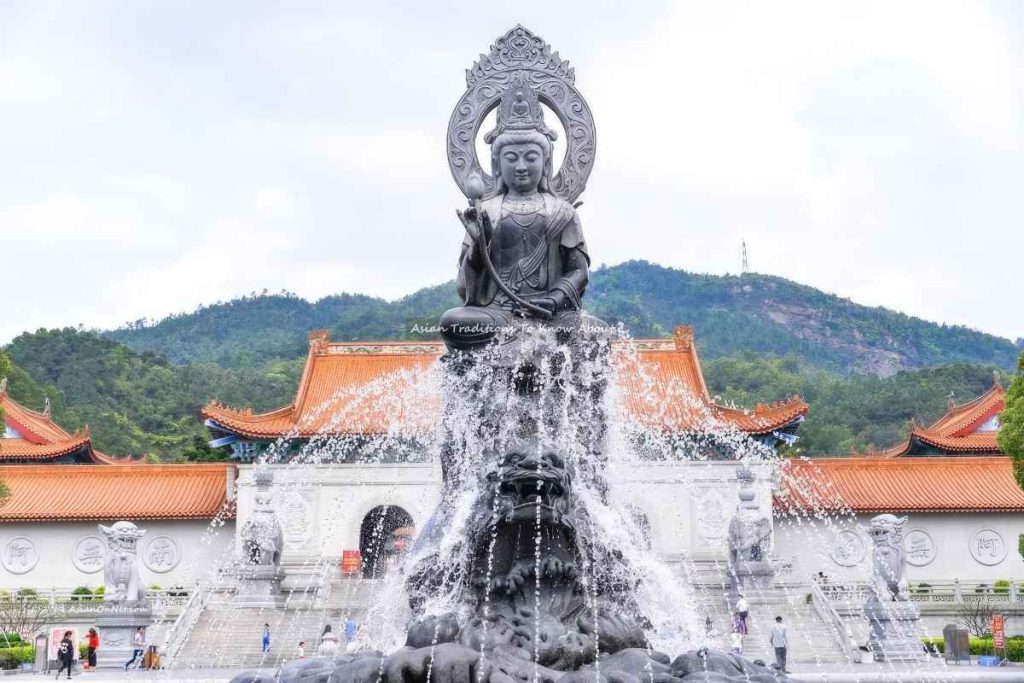
This guide introduces common themes and examples, including tea culture, festivals, traditional clothing, food etiquette, family values, temple manners, greetings, and gift-giving. The goal is not to simplify Asia into one culture, but to give beginners a practical starting point for learning with respect.
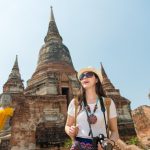
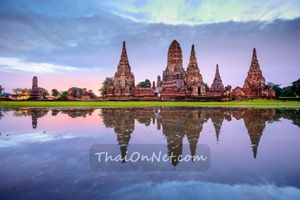
👉 “Readers exploring cultural heritage sites in Asia may also enjoy learning about the Exploring the Ancient City of Ayutthaya as an important historic place in Thailand.”
Why Asian Traditions Matter
Asian traditions are important because they connect people to history, family, religion, community, nature, food, art, and identity. Some traditions are ancient, while others have changed over time. Some are formal and ceremonial. Others appear in everyday life, such as how people greet elders, share food, celebrate holidays, dress for special events, or behave in sacred places.
Asian Traditions To Know About can help visitors:
- Avoid disrespectful mistakes
- Understand local customs
- Enjoy festivals more meaningfully
- Communicate with more sensitivity
- Appreciate cultural heritage
- Learn about family and community values
- Travel with better awareness
- Respect sacred places
- Understand food and dining customs
- Connect with local people more thoughtfully
Learning about traditions does not mean copying them casually. It means understanding their meaning and approaching them with care.
Tea Culture
Tea culture is one of the most meaningful Asian Traditions To Know About. Tea is connected to hospitality, mindfulness, family, ceremony, daily routine, and social connection in many parts of Asia.
Tea traditions may include:
- Japanese tea ceremony
- Chinese tea service
- Korean tea culture
- Tibetan butter tea
- Indian chai
- Thai iced tea
- Vietnamese tea served with meals
- Taiwanese oolong tea
- Central Asian tea hospitality
In some cultures, tea is served formally. In others, it is part of everyday hospitality. Tea can be a quiet ceremony, a family habit, a business gesture, or a simple welcome.
When offered tea, accept politely if you can. Observe how others hold the cup, when they drink, and how they thank the host.
Japanese Tea Ceremony
The Japanese tea ceremony is one of the best-known examples of tea as cultural practice. It is often connected to harmony, respect, purity, calmness, and attention to detail.
A traditional tea ceremony may include:
- Careful preparation of matcha
- Specific movements
- Seasonal details
- Quiet atmosphere
- Simple utensils
- Respectful guest behaviour
- Appreciation of the moment
Visitors do not need to understand every detail before attending, but they should arrive with patience and respect.
Simple etiquette includes:
- Dress neatly
- Arrive on time
- Follow the host’s guidance
- Speak softly
- Watch before acting
- Avoid rushing
- Ask questions politely if allowed
The value of the ceremony is not only the tea. It is also the atmosphere, mindfulness, and respect.
Lunar New Year Traditions
Lunar New Year is celebrated in different ways across several Asian cultures, including Chinese, Vietnamese, Korean, and other communities. The traditions vary by country and family.
Common themes may include:
- Family reunions
- Special meals
- Cleaning before the holiday
- Honouring ancestors
- Giving money in red envelopes
- Wearing festive colours
- Visiting relatives
- Firecrackers or performances in some places
- Lion or dragon dances in some communities
- Wishes for luck and prosperity
Lunar New Year is one of the most important Asian Traditions To Know About because it shows the importance of family, renewal, respect, and good wishes.
Visitors should remember that travel can be busy during this period. Many businesses may close, transport may be crowded, and families may focus on private celebrations.
Diwali
Diwali is an important festival celebrated by many Hindus, Jains, Sikhs, and some Buddhists, especially in India and across the Indian diaspora. It is often known as a festival of lights.
Diwali may include:
- Lighting lamps
- Decorating homes
- Family gatherings
- Sweets
- Prayers
- New clothes
- Fireworks in some places
- Cleaning and preparing the home
- Sharing gifts
- Celebrating light, hope, and renewal
Diwali is one of the major Asian Traditions To Know About because it shows how festivals can combine faith, family, food, light, and community.
If invited to a Diwali celebration, dress respectfully, ask what to bring, and follow your host’s guidance.
Songkran And Water Traditions
Songkran is the Thai New Year festival. It is known internationally for water celebrations, but its traditional meaning is deeper than water play.
Songkran traditions may include:
- Visiting family
- Paying respect to elders
- Temple visits
- Making merit
- Cleaning homes
- Pouring water respectfully
- Community gatherings
- Public water celebrations
For visitors, it is important to understand both the fun and respectful sides of Songkran.
Good manners include:
- Protecting phones and valuables
- Dressing appropriately
- Avoiding throwing water at monks, elderly people, babies, or people who do not want to join
- Being careful on roads
- Respecting temple spaces
- Understanding that not every area celebrates in the same way
Songkran is a joyful tradition, but it should still be approached respectfully.
Traditional Clothing
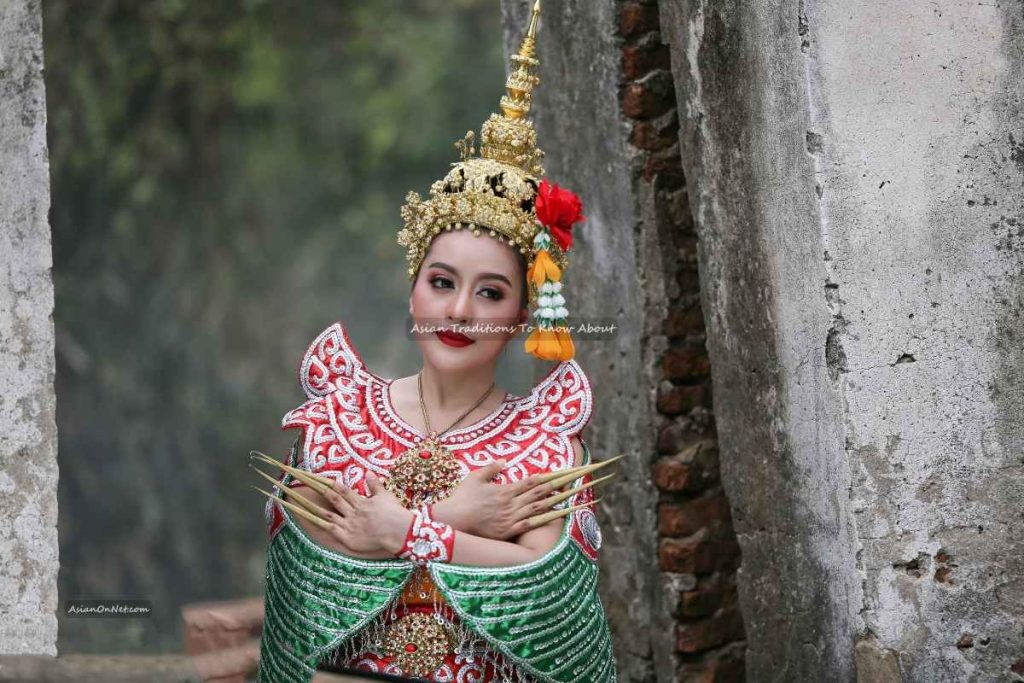
Traditional clothing is one of the most visible Asian Traditions To Know About. Clothing often reflects history, identity, region, religion, status, ceremony, and family heritage.
Examples include:
- Kimono in Japan
- Hanbok in Korea
- Sari in India
- Cheongsam or qipao in Chinese culture
- Ao dai in Vietnam
- Kebaya in parts of Southeast Asia
- Barong Tagalog in the Philippines
- Chut Thai in Thailand
- Deel in Mongolia
Traditional clothing may be worn during weddings, festivals, national celebrations, ceremonies, religious events, and special family occasions.
Visitors should be careful when wearing traditional clothing. It is usually best to do so in respectful settings, with local guidance, and without treating it as a costume.
Respect For Elders
Respect for elders is important in many Asian cultures, though customs differ by country and community.
This respect may be shown through:
- Greeting elders first
- Using polite language
- Offering seats
- Serving food or tea
- Listening carefully
- Avoiding rude disagreement
- Using honorific titles
- Helping during family gatherings
- Asking for blessings or advice
- Showing patience
Respect for elders is one of the most practical Asian Traditions To Know About because it affects daily behaviour, family meals, ceremonies, and social situations.
Visitors can show respect by being polite, patient, and observant.
Family And Community Values
Family and community play a strong role in many Asian societies. Traditions often centre on family gatherings, ancestor remembrance, weddings, births, funerals, seasonal festivals, and shared meals.
Family traditions may include:
- Eating together
- Caring for older relatives
- Visiting during festivals
- Honouring ancestors
- Supporting family businesses
- Passing down recipes
- Celebrating milestones
- Sharing responsibilities
- Respecting family hierarchy
- Maintaining family connections
Not every person or family follows traditions in the same way. Modern life has changed many customs. Still, family connection remains a major theme across many Asian cultures.
Greetings And Polite Behaviour
Greetings vary widely across Asia. Some cultures use bows. Some use hand gestures. Some use verbal greetings. Some use handshakes in formal situations. Some avoid physical contact in certain contexts.
Examples include:
- Bowing in Japan and Korea
- Wai greeting in Thailand
- Namaste in India and Nepal
- Handshakes in many business settings
- Verbal greetings with titles
- Polite nods
- Respectful distance
Asian Traditions To Know About often begin with greetings because first impressions matter.
When unsure, observe others and follow local behaviour. Avoid hugging, touching, or being overly casual unless you know it is welcome.
Temple And Sacred Place Etiquette
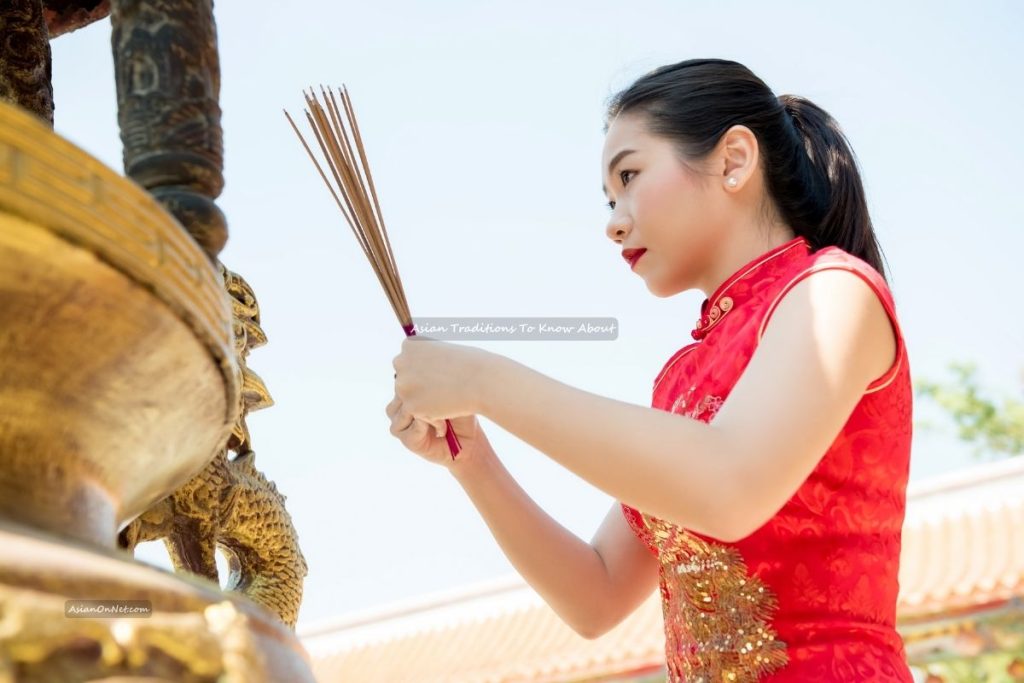
Many visitors to Asia visit temples, shrines, mosques, churches, monasteries, and sacred sites. These places may be tourist attractions, but they are also religious and cultural spaces.
Respectful behaviour may include:
- Dressing modestly
- Removing shoes when required
- Speaking quietly
- Avoiding flash photography
- Not touching sacred objects
- Not pointing feet at sacred images
- Following gender-specific rules where present
- Not interrupting worshippers
- Asking before taking close photos
- Keeping children calm
- Following signs and staff instructions
Temple etiquette is one of the most important Asian Traditions To Know About for travellers.
Food Customs
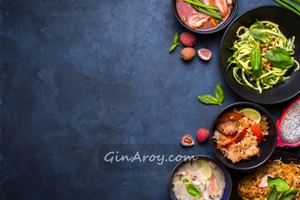
Food traditions are central to culture across Asia. Meals may be shared, served in courses, eaten with chopsticks, spoons, forks, hands, or flatbread depending on the region.
Food customs may include:
- Sharing dishes
- Serving elders first
- Using chopsticks properly
- Eating with the right hand in some cultures
- Removing shoes before entering homes
- Accepting tea or food politely
- Respecting religious food rules
- Avoiding waste
- Waiting for the host
- Trying local dishes respectfully
Dining customs differ greatly, so avoid assuming one rule applies everywhere.
The safest approach is to watch, ask politely, and follow the host’s lead.
Chopstick Etiquette
Chopsticks are used in many East and Southeast Asian food cultures, though rules differ by country.
Common etiquette tips include:
- Do not stick chopsticks upright in rice
- Do not point with chopsticks
- Do not wave chopsticks around
- Do not pass food chopstick-to-chopstick in formal contexts
- Use serving chopsticks if provided
- Place chopsticks neatly when finished
- Avoid playing with them
Chopstick etiquette is one of the useful Asian Traditions To Know About because it can help visitors avoid accidental disrespect at meals.
Gift Giving
Gift giving is common in many Asian cultures. It may happen during festivals, family visits, business meetings, weddings, religious events, and special occasions.
Gift customs may include:
- Giving with both hands
- Receiving with both hands
- Avoiding certain colours or numbers
- Wrapping gifts carefully
- Bringing something when visiting a home
- Giving sweets or fruit
- Avoiding overly expensive gifts in casual settings
- Waiting to open gifts depending on local custom
Rules vary widely, so it is best to ask a local friend, host, or guide when preparing a gift.
Festivals And Public Celebrations
Asia has many festivals connected to religion, seasons, harvests, national history, lunar calendars, local legends, and community identity.
Festivals may include:
- Lantern festivals
- Harvest festivals
- New Year celebrations
- Temple fairs
- Water festivals
- Flower festivals
- Moon festivals
- Religious processions
- Food festivals
- Cultural dance events
- Music and craft celebrations
Festivals are among the most enjoyable Asian Traditions To Know About, but visitors should be respectful.
Good festival behaviour includes:
- Follow local rules
- Dress appropriately
- Ask before photographing people
- Avoid blocking ceremonies
- Keep valuables safe
- Be patient in crowds
- Try local food respectfully
- Learn the meaning behind the event
Ancestor Remembrance
Ancestor remembrance is important in several Asian cultures, though practices differ. It may involve family rituals, offerings, home altars, cemetery visits, prayers, seasonal festivals, or special memorial days.
The meaning may include:
- Respect for family history
- Gratitude to past generations
- Continuing family bonds
- Spiritual care
- Community identity
- Moral responsibility
Visitors should be especially respectful around ancestor rituals. Do not interrupt, photograph without permission, or treat offerings as decorations.
Weddings And Family Ceremonies
Weddings across Asia vary widely by culture, religion, region, and family tradition. Some are small and simple. Others are large, colourful, formal, and multi-day events.
Wedding traditions may include:
- Traditional clothing
- Family blessings
- Tea ceremonies
- Religious rituals
- Gift giving
- Music and dance
- Special foods
- Processions
- Symbolic colours
- Respect for elders
If invited to a wedding, ask about dress code, gift customs, photography rules, and ceremony behaviour.
Markets And Community Life
Markets are part of daily life across Asia. They are not always formal traditions, but they often preserve local food, crafts, social habits, and community rhythms.
Markets may include:
- Morning markets
- Night markets
- Floating markets
- Wet markets
- Flower markets
- Craft markets
- Festival markets
- Food streets
Market etiquette includes:
- Asking before taking close photos
- Not touching food without permission
- Bargaining respectfully where appropriate
- Keeping pathways clear
- Using polite language
- Supporting local sellers
- Watching local behaviour
Markets can teach visitors a lot about everyday culture.
Traditional Arts And Crafts
Traditional arts and crafts are important Asian Traditions To Know About because they preserve skill, beauty, and cultural memory.
Examples include:
- Calligraphy
- Batik
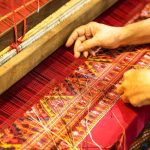
- Silk weaving
- Pottery
- Wood carving
- Lacquerware
- Paper cutting
- Mask making
- Metalwork
- Dance costumes
- Textile dyeing
- Puppet making
- Flower arranging
- Traditional painting
Buying local crafts responsibly can support artisans and help preserve cultural skills.
Avoid mass-produced items falsely presented as handmade.
Music And Dance Traditions
Music and dance are important parts of festivals, theatre, worship, storytelling, and community life in many Asian cultures.
Traditional performances may include:
- Classical dance
- Folk dance
- Court music
- Temple music
- Drum performances
- Shadow puppetry
- Opera
- Storytelling theatre
- Festival parades
- Ritual dance
When attending performances, be respectful. Arrive on time, avoid loud talking, follow photography rules, and read about the meaning of the performance.
Martial Arts And Discipline
Martial arts are connected to discipline, physical practice, philosophy, self-control, and cultural heritage in many parts of Asia.
Examples include:
- Karate
- Judo
- Aikido
- Taekwondo
- Kung fu
- Muay Thai
- Silat
- Kalaripayattu
- Tai chi
Martial arts are not only fighting styles. Many include respect, training rituals, teacher-student relationships, and mental discipline.
Visitors should avoid treating martial arts as entertainment only. They often carry deep cultural meaning.
Daily Respect And Saving Face
In many Asian cultures, public politeness and avoiding embarrassment are important. The idea sometimes described as “saving face” can affect how people communicate, disagree, apologise, or solve problems.
Practical tips include:
- Stay calm in public
- Avoid shouting
- Avoid direct public criticism
- Use polite language
- Give people space to respond
- Be patient
- Avoid embarrassing someone
- Ask questions gently
- Smile when appropriate
- Thank people for help
This is one of the most useful Asian Traditions To Know About for travellers, workers, and guests.
How To Learn About Traditions Respectfully
Learning about traditions should be done with care.
Good ways to learn include:
- Reading reliable sources
- Visiting museums
- Joining guided tours
- Asking respectful questions
- Attending public festivals
- Learning basic phrases
- Supporting local teachers
- Taking cultural workshops
- Listening more than speaking
- Avoiding stereotypes
- Understanding regional differences
- Respecting private practices
Do not assume all people from one country follow the same traditions.
Culture is living, changing, and personal.
How To Participate Without Being Disrespectful
Sometimes visitors are invited to join traditions, ceremonies, meals, festivals, or workshops. Participation can be meaningful if done respectfully.
Before joining, ask:
- Is participation welcome?
- What should I wear?
- Can I take photos?
- Is there anything I should avoid?
- Should I bring a gift?
- Where should I sit or stand?
- Should I remove shoes?
- Should I stay silent?
- Is this religious or private?
- Who can explain the meaning?
When in doubt, observe first.
Common Mistakes To Avoid
Treating Asia As One Culture
Asia is diverse. Avoid saying “Asian tradition” as if every country shares the same customs.
Wearing Traditional Clothing As A Costume
Traditional clothing should be worn respectfully and in appropriate contexts.
Taking Photos Without Permission
Always ask before photographing people, private ceremonies, monks, elders, children, or worshippers.
Ignoring Dress Codes
Sacred places often require modest clothing.
Touching Sacred Objects
Do not touch statues, offerings, altars, or ritual items unless invited.
Being Too Loud In Quiet Places
Temples, shrines, museums, and ceremonies often require calm behaviour.
Copying Rituals Without Understanding
Learn the meaning before participating.
Simple Checklist For Respecting Asian Traditions
Use this checklist when travelling or attending cultural events:
- Learn basic customs before going
- Dress appropriately
- Observe before acting
- Ask before taking photos
- Follow local etiquette
- Speak politely
- Respect elders
- Respect sacred spaces
- Use both hands when appropriate
- Avoid public anger
- Support local communities
- Stay open-minded
- Do not generalise
- Say thank you
This simple checklist can help visitors avoid common mistakes.
👉 “Readers learning about Asian traditions may also enjoy this practical guide to Cultural Heritage Sites In Asia.”
Conclusion
Asian Traditions To Know About include tea culture, Lunar New Year, Diwali, Songkran, traditional clothing, food customs, temple etiquette, respect for elders, gift giving, festivals, ancestor remembrance, markets, arts, music, dance, and martial arts.
The most important lesson is respect. Asia is not one culture, and traditions vary widely across countries, regions, religions, families, and communities.
Visitors and beginners should approach traditions with curiosity, patience, and humility. Observe first, ask politely, follow local guidance, and avoid treating meaningful customs as entertainment only.
With thoughtful learning, Asian Traditions To Know About can help readers travel better, understand culture more deeply, and appreciate the living heritage of Asia.
FAQ
What Are The Most Important Asian Traditions To Know About?
Important Asian Traditions To Know About include tea culture, Lunar New Year, Diwali, Songkran, temple etiquette, food customs, traditional clothing, gift giving, and respect for elders.
Why Is It Useful To Learn About Asian Traditions?
Learning about Asian traditions helps visitors understand local culture, avoid disrespectful mistakes, enjoy festivals more meaningfully, and travel with better awareness.
Are Asian Traditions The Same In Every Country?
No. Asia is very diverse. Traditions vary by country, region, religion, community, and family.
How Can I Respect Asian Traditions When Travelling?
Dress appropriately, follow local rules, observe before acting, ask before taking photos, respect sacred places, speak politely, and learn basic customs before visiting.
Can Visitors Participate In Asian Traditions?
Sometimes yes, especially at public festivals, workshops, meals, and cultural events. Visitors should ask first, follow local guidance, and avoid joining private or sacred rituals without permission.
What Should I Know About Temple Etiquette In Asia?
Dress modestly, remove shoes when required, speak quietly, avoid touching sacred objects, follow signs, and do not disturb worshippers.
Is It Okay To Wear Traditional Asian Clothing?
It depends on the context. Wearing traditional clothing can be respectful at appropriate events or rentals with local guidance, but it should not be treated as a costume.
What Are Common Asian Food Traditions?
Common food traditions may include sharing dishes, serving elders first, using chopsticks or hands correctly, offering tea, respecting religious food rules, and eating together as a family.
What Are Some Asian Festival Traditions?
Festival traditions may include lanterns, family meals, offerings, water ceremonies, lights, music, dance, fireworks, temple visits, special clothing, and seasonal foods.
How Can Beginners Learn More About Asian Culture?
Beginners can read reliable guides, visit museums, join local tours, attend public festivals, take cultural workshops, ask respectful questions, and avoid stereotypes.