



- Introduction
- Digital Convenience Is Becoming Part Of Everyday Urban Life
- Cashless Habits Are Changing Small Daily Transactions
- Hybrid Work Is Changing How People Use Cities
- Cafés Have Become Multi-Purpose Urban Spaces
- People Are Spending More Time In Their Own Neighbourhoods
- Mixed-Use Areas Blur Traditional Boundaries
- Smaller Homes Encourage Smarter Use Of Space
- Home Design Is Becoming More Flexible
- Wellness Is Moving Into Ordinary Urban Life
- Fitness Is Becoming More Flexible
- Healthy Food Choices Sit Beside Convenience
- Sustainability Is Becoming More Practical
- Convenience Still Strongly Influences Sustainable Choices
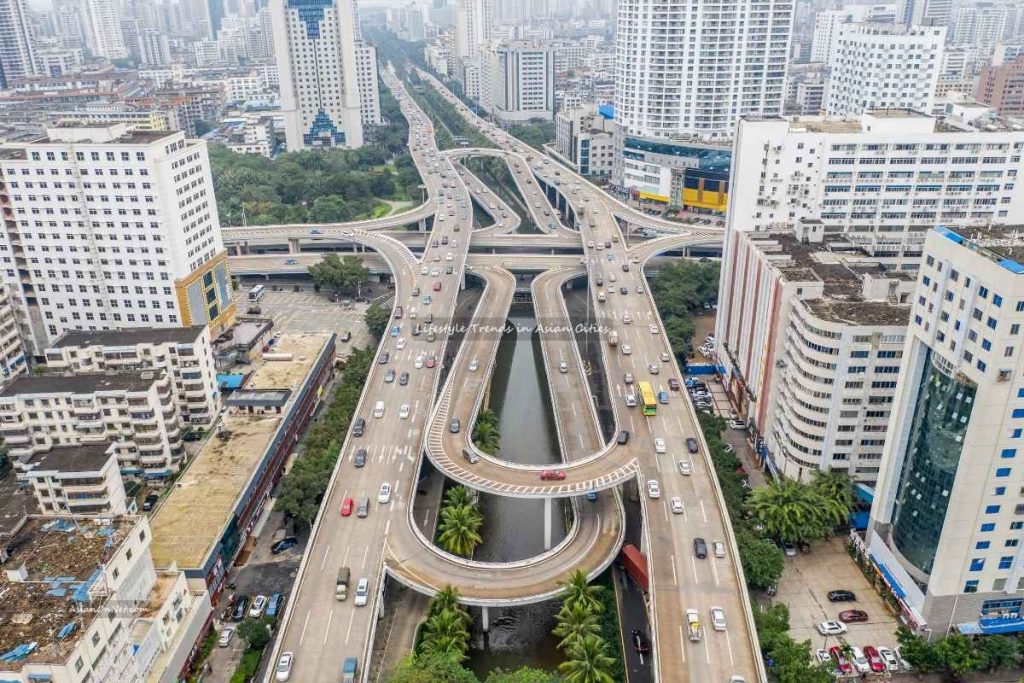
- Public Transport Shapes Urban Lifestyle
- Ride-Hailing Adds Another Layer Of Mobility
- Walking Quality Is Becoming More Important
- Green Space Has Greater Value In Dense Cities
- Shopping Is Becoming More Experience-Focused
- Local And Independent Brands Are More Visible
- Value Matters More Than Following Trends Blindly
- Social Life Is Becoming More Experience-Based
- Food Remains Central To City Lifestyle
- Delivery Has Changed How People Use Restaurants
- Personalisation Is Increasing
- Community Still Matters In Highly Digital Cities
- Work-Life Boundaries Are Being Reconsidered
- Urban Residents Are Looking For Better Quality Of Life
- Trends Differ By Life Stage
- Avoid Treating Asia As One Lifestyle Market
- Global Ideas Often Become Local
- A Practical Snapshot Of Current Urban Lifestyle Trends
- Conclusion
- FAQ
- What Are The Main Lifestyle Trends In Asian Cities?
- Are Lifestyle Trends The Same Across Asia?
- How Is Technology Changing Urban Life In Asia?
- Is Hybrid Work Still Influencing Asian Cities?
- Is Sustainability Becoming More Important?
- Why Are Cafés Important To Modern City Life?
- Are Asian Cities Becoming More Wellness-Focused?
- Why Are Local Neighbourhoods Becoming More Important?
- Is Shopping Changing In Asian Cities?
- What Is The Best Way To Understand Lifestyle Trends In Asian Cities?
Introduction
Asia contains some of the world’s largest, fastest-changing, and most diverse urban areas. Daily life in Bangkok can look very different from life in Tokyo, Seoul, Singapore, Mumbai, Taipei, Jakarta, or Ho Chi Minh City.
For that reason, lifestyle trends in Asian cities should never be treated as though millions of urban residents across dozens of countries are moving in exactly the same direction.
However, several broader patterns can be seen across parts of the region. Digital services have become deeply integrated into everyday routines, flexible work continues to influence how people use cities, wellness has become more visible in residential and commercial spaces, and many consumers are combining convenience with greater interest in sustainability and local experiences. Recent Asia-Pacific research also highlights the continuing importance of urban resilience as cities grow and change.
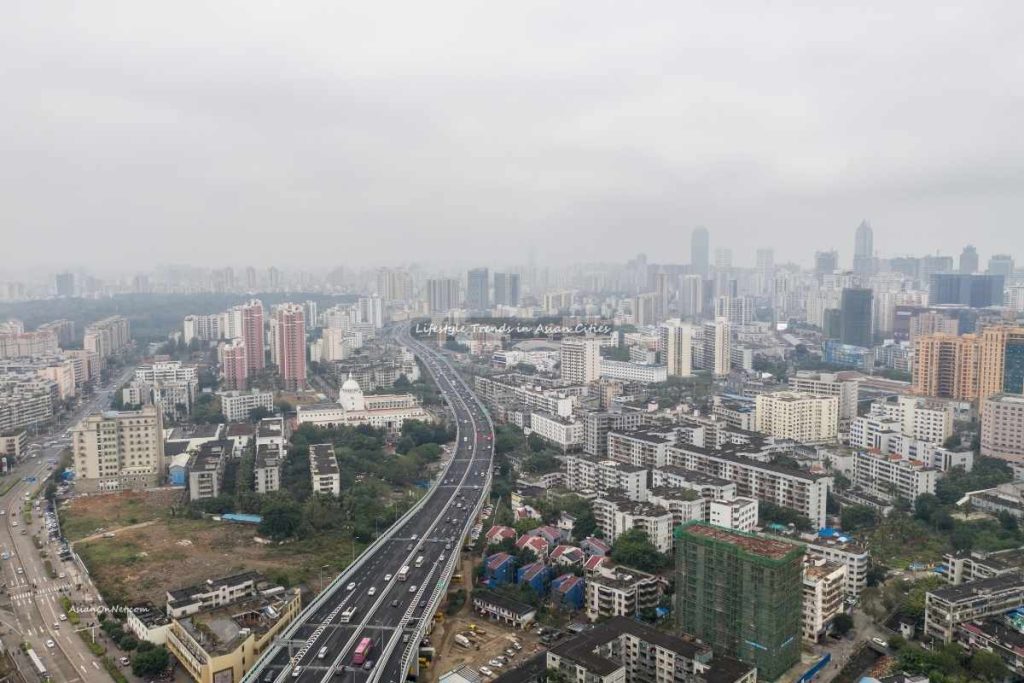
These lifestyle trends in Asian cities are not simply fashion trends. They influence where people work, how they shop, what kinds of neighbourhoods feel attractive, how they spend free time, and which services become part of ordinary city life.
This guide looks at some of the most noticeable lifestyle shifts while respecting the considerable differences between Asian cities.
👉 “Readers interested in everyday urban life across Asia may also explore these practical Bangkok shopping tips for families for more ideas on malls, markets, and convenient family purchases.”
Digital Convenience Is Becoming Part Of Everyday Urban Life
One of the clearest lifestyle trends in Asian cities is the integration of digital services into ordinary daily activities.
Depending on the city, residents may use smartphones to:
- Pay for purchases
- Order meals
- Book transport
- Reserve services
- Communicate with businesses
- Shop online
- Access financial services
- Find entertainment
- Manage deliveries
- Navigate public transport
Digitalisation is particularly significant across emerging Asian markets. Research covering consumers across multiple markets has found strong perceptions in countries such as Indonesia, the Philippines, and Thailand that digital tools can also support more sustainable lifestyle choices.
The important trend is not simply that people own smartphones. It is that many everyday services increasingly connect through the phone.
Cashless Habits Are Changing Small Daily Transactions
Digital payments are one visible part of this shift.
In many Asian cities, cash now competes with:
- QR payments
- Mobile banking
- Digital wallets
- Contactless cards
- App-based payment systems
The balance differs considerably by country and business type.
Small food vendors may accept digital payments in one city while cash remains important in another. Visitors should therefore avoid assuming that one payment method works everywhere.
Still, digital convenience remains one of the strongest lifestyle trends in Asian cities, particularly because payments increasingly connect with food delivery, transport, shopping, and other mobile services.
Hybrid Work Is Changing How People Use Cities
Office life has also been changing.
Hybrid and flexible work arrangements continue to influence workplaces across Asia-Pacific, although the extent of flexibility varies significantly between markets and employers. Recent workplace research describes a continuing regional shift toward balancing flexibility with shared office experiences.
This affects lifestyle trends in Asian cities beyond the workplace itself.
People with greater flexibility may:
- Work from cafés
- Use coworking spaces
- Choose homes farther from central offices
- Travel outside peak commuting times
- Spend more time in neighbourhood businesses
- Combine work and short domestic trips
Office districts are therefore no longer the only places where professional life happens.
Cafés Have Become Multi-Purpose Urban Spaces
Cafés across Asian cities often serve several purposes at once.
They may function as:
- Social spaces
- Informal meeting locations
- Remote-work spaces
- Study locations
- Design destinations
- Food and drink experiences
The character varies by city.
A neighbourhood café in Bangkok may feel very different from a minimalist coffee shop in Seoul or Tokyo, while café cultures in Hanoi, Taipei, Kuala Lumpur, or Jakarta have their own histories and habits.
Rather than identifying one universal Asian café style, it is more accurate to see café culture as part of broader lifestyle trends in Asian cities where food, design, work, and social activity increasingly overlap.
People Are Spending More Time In Their Own Neighbourhoods
Urban lifestyles are not always centred on famous downtown areas.
Neighbourhoods with combinations of housing, restaurants, supermarkets, parks, cafés, services, and transport can support daily routines without requiring residents to cross the entire city.
This helps explain interest in mixed-use development and neighbourhood-oriented urban design.
Wellness-focused real-estate research also points toward stronger interest in developments that combine health, community, technology, and everyday amenities.
Among lifestyle trends in Asian cities, this move toward convenient neighbourhood living can be especially important in large metropolitan areas where long journeys consume substantial time.
Mixed-Use Areas Blur Traditional Boundaries
Homes, offices, restaurants, shops, fitness facilities, and leisure spaces are increasingly combined within the same developments or districts.
This allows residents to move between:
- Work
- Shopping
- Eating
- Exercise
- Social activity
- Home
with shorter transitions.
Not every resident wants this kind of environment, and not every Asian city is developing in the same way.
However, mixed-use neighbourhoods fit broader lifestyle trends in Asian cities that favour convenience and efficient use of limited urban time.
Smaller Homes Encourage Smarter Use Of Space
High land prices and dense development mean compact housing is familiar in many major Asian cities.
Living in a smaller home can influence:
- Furniture choices
- Storage
- Kitchen design
- Home working
- Buying habits
- Shared facilities
- Use of public spaces
Residents may value furniture with multiple purposes, organised storage, nearby cafés, shared lounges, gyms, rooftop areas, or communal workspaces.
Smaller living spaces do not represent everyone, but they remain an important part of lifestyle trends in Asian cities where density and housing affordability shape everyday choices.
Home Design Is Becoming More Flexible
The rise of hybrid work has also changed what people may expect from home.
A dining table may become a temporary desk.
A spare corner may become a work area.
A balcony may serve as a small outdoor retreat.
Developers and residents increasingly have reasons to think about:
- Flexible layouts
- Sound management
- Natural light
- Storage
- Internet connectivity
- Shared work areas
This illustrates how work trends and lifestyle trends in Asian cities increasingly overlap.
Wellness Is Moving Into Ordinary Urban Life
Wellness is no longer associated only with spas or holidays.
It can appear in:
- Residential developments
- Fitness facilities
- Parks
- Walking areas
- Healthy food businesses
- Workplace design
- Hotels
- Community spaces
Global Wellness Institute research on 2025 real-estate trends identified wellness, sustainability, technology, and community-oriented spaces as major influences on property development.
This wider interest in everyday well-being forms another part of lifestyle trends in Asian cities.
Fitness Is Becoming More Flexible
Traditional gyms remain important, but urban exercise can take many forms.
Depending on the city, people may choose:
- Fitness studios
- Running groups
- Yoga
- Pilates
- Cycling
- Swimming
- Outdoor exercise
- Dance
- Martial arts
- Home workouts
Digital fitness services also allow people to combine in-person and home exercise.
The broader trend is flexibility rather than one particular workout becoming dominant.
Healthy Food Choices Sit Beside Convenience
Urban consumers often want both convenience and healthier choices.
That can create demand for:
- Prepared meals
- Fresh food
- Lower-sugar drinks
- Plant-forward options
- Convenient fruit
- Nutrition information
- Delivery
- Functional food and beverages
In Thailand, PwC’s 2025 consumer research identified both healthier choices and sustainability among factors influencing changing consumer behaviour.
However, traditional street food, comfort meals, convenience-store food, and indulgent treats remain important parts of city life.
The interesting feature of lifestyle trends in Asian cities is that convenience and wellness frequently develop side by side rather than one replacing the other.
Sustainability Is Becoming More Practical
Sustainability is often discussed as an environmental ideal, but urban residents generally have to balance it against cost and convenience.
Possible everyday choices include:
- Reusable bags
- Public transport
- Refillable products
- Second-hand shopping
- Reduced packaging
- Energy-efficient appliances
- Reusable bottles
- Local products
Consumer research across Asia-Pacific found an increase in reported environmentally friendly purchasing in 2025, although attitudes and behaviour vary between markets.
Other ASEAN consumer research similarly suggests that environmental features often need to come with practical value rather than simply being marketed as green.
That makes practical sustainability an important element of lifestyle trends in Asian cities.
Convenience Still Strongly Influences Sustainable Choices
A reusable or lower-impact option is more likely to become part of everyday life when it is also:
- Affordable
- Easy to find
- Easy to use
- Convenient
- Reliable
Urban residents may support environmental goals while still choosing options that fit limited budgets and busy schedules.
This tension between ideals and practicality helps explain why sustainable behaviour develops differently from one city to another.
Public Transport Shapes Urban Lifestyle
Transport is not just an infrastructure question. It affects how people experience a city.
Where reliable systems exist, residents may organise daily life around:
- Metro lines
- Urban rail
- Buses
- Ferries
- Walking connections
- Cycling routes
Easy transport access can influence:
- Housing choices
- Work locations
- Shopping habits
- Restaurant visits
- Social activities
This is why mobility belongs within discussions of lifestyle trends in Asian cities.
Urban transformation across Asia-Pacific increasingly requires attention not only to growth but also accessibility, resilience, inclusion, and environmental pressures.
Ride-Hailing Adds Another Layer Of Mobility
App-based transport has also changed movement in many cities.
People may combine:
Rail → walking → ride-hailing
instead of relying on one transport method for an entire journey.
Delivery drivers and app-based transport have also become highly visible parts of the streetscape in many urban areas.
The result is a more connected relationship between physical transport and digital services.
Walking Quality Is Becoming More Important
Large Asian cities are often associated with traffic, but the quality of the pedestrian experience increasingly matters.
People may value neighbourhoods with:
- Shaded sidewalks
- Safe crossings
- Nearby parks
- Street-level businesses
- Short distances between services
- Easy public transport access
Not all cities provide these features consistently.
Still, walkability increasingly connects with wellness, neighbourhood life, sustainability, and quality of life—all important lifestyle trends in Asian cities.
Green Space Has Greater Value In Dense Cities
Parks and landscaped areas can become particularly important when homes are compact and streets are crowded.
Residents may use them for:
- Walking
- Running
- Family outings
- Exercise
- Socialising
- Quiet breaks
Wellness-oriented urban development increasingly recognises the connection between physical environments and quality of life.
This does not mean Asian cities are uniformly becoming greener. Many still face major environmental and planning challenges.
Shopping Is Becoming More Experience-Focused
Shopping centres remain important social and commercial spaces in many Asian cities, but retail increasingly competes with online shopping.
Physical spaces therefore have reasons to offer more than shelves of products.
That can include:
- Restaurants
- Events
- Art
- Entertainment
- Pop-ups
- Wellness services
- Community spaces
- Immersive brand experiences
Recent reporting on Singapore’s retail environment, for example, points to growing interest in lifestyle integration, curated spaces, and experience-led retail alongside digital services.
Experience-led retail is therefore another example of changing lifestyle trends in Asian cities.
Local And Independent Brands Are More Visible
International brands remain powerful, but local and niche brands can attract consumers seeking:
- Distinctive design
- Local identity
- Better value
- New experiences
- Small-scale production
- Stronger brand stories
Recent research on Asian luxury consumers has also identified increasing interest in local and niche brands in markets including China and Southeast Asia.
The pattern differs by sector and country, but local discovery has become an important part of contemporary urban consumption.
Value Matters More Than Following Trends Blindly
Urban consumers may encounter new products constantly, but economic pressure encourages greater attention to value.
Value does not necessarily mean choosing the cheapest item.
It may mean:
- Better quality
- Longer use
- Practical features
- Good service
- Better convenience
- Stronger design
- Fair pricing
Recent Southeast Asian consumer research describes changing definitions of value as households navigate economic pressure and changing expectations.
This practical approach influences many lifestyle trends in Asian cities, from food and fashion to technology and housing.
Social Life Is Becoming More Experience-Based
People increasingly spend money not only on products but also on things they can do.
Urban experiences may include:
- Workshops
- Exhibitions
- Food events
- Short classes
- Fitness sessions
- Markets
- Live performances
- Pop-up events
- Creative activities
This reflects a broader blending of entertainment, shopping, food, education, and social life.
A café can also be a design destination. A retail complex can include exhibitions. A market can combine local food and creative products.
These overlapping experiences are characteristic of modern lifestyle trends in Asian cities.
Food Remains Central To City Lifestyle
Despite rapid digital and physical change, food remains one of the strongest features of Asian urban life.
Depending on the city, people may move between:
- Street stalls
- Food courts
- Markets
- Local restaurants
- Cafés
- Delivery
- Convenience stores
- Fine dining
The balance varies considerably.
Tokyo’s dining habits should not be treated as identical to Bangkok’s, and Seoul’s café culture is different from Hanoi’s street-food traditions.
The diversity itself is part of what makes lifestyle trends in Asian cities interesting.
Delivery Has Changed How People Use Restaurants
Food businesses are no longer experienced only through physical dining rooms.
Customers may discover a restaurant online, order through an app, pay digitally, and eat at home without ever visiting it.
This has encouraged restaurants to think about:
- Packaging
- Delivery menus
- Online reviews
- Photographs
- App visibility
- Delivery times
Urban food culture therefore exists simultaneously online and offline.
Personalisation Is Increasing
Digital platforms make personalised recommendations common.
People may receive suggestions for:
- Restaurants
- Music
- Shopping
- Entertainment
- Travel
- Fitness
- News
Personalisation can make city life easier, but it can also narrow what users discover if algorithms repeatedly show similar choices.
This creates an interesting contradiction within lifestyle trends in Asian cities: technology can make enormous cities feel more personalised while potentially reducing spontaneous discovery.
Community Still Matters In Highly Digital Cities
Digital convenience does not eliminate the need for physical community.
People still value:
- Neighbourhood businesses
- Parks
- Shared hobbies
- Food markets
- Local events
- Sports groups
- Community spaces
This can be particularly important in large cities where urban life can otherwise feel anonymous.
Wellness-focused development trends have also placed greater emphasis on community connection alongside health and sustainability.
Work-Life Boundaries Are Being Reconsidered
Hybrid work provides flexibility, but it can also blur the distinction between working and personal time.
When the home becomes an office, people may need clearer boundaries.
That can mean:
- Dedicated work areas
- Regular working hours
- Leaving home for breaks
- Using coworking spaces
- Protecting evenings
- Separating work devices from leisure
The evolution of flexible workplaces across Asia-Pacific means these questions continue to shape lifestyle trends in Asian cities.
Urban Residents Are Looking For Better Quality Of Life
Many trends ultimately connect to one question:
What makes a city comfortable to live in?
Answers may include:
- Housing
- Transport
- Safety
- Parks
- Healthcare
- Education
- Air quality
- Food
- Employment
- Community
- Entertainment
- Affordability
Urban-development research across Asia-Pacific highlights the challenge of making rapid urbanisation more resilient, inclusive, and liveable.
For residents, quality of life is where many lifestyle trends in Asian cities meet.
Trends Differ By Life Stage
A young professional may value:
- Nightlife
- Cafés
- Coworking
- Central transport
- Small apartments
A family may prioritise:
- Schools
- Parks
- Larger homes
- Healthcare
- Family activities
An older resident may value:
- Accessible transport
- Medical services
- Walkability
- Community
- Quiet surroundings
There is therefore no single ideal urban lifestyle.
Avoid Treating Asia As One Lifestyle Market
This is essential when discussing lifestyle trends in Asian cities.
Asia contains enormous differences in:
- Income
- Climate
- Language
- Urban density
- Infrastructure
- Population age
- Housing
- Technology
- Transport
- Local regulations
A trend visible in Singapore may be less important in Manila.
A habit common in Seoul may not be common in Mumbai.
Bangkok, Tokyo, Taipei, Jakarta, Hanoi, Kuala Lumpur, Hong Kong, and other major cities each combine local habits with global influences in different ways.
Global Ideas Often Become Local
Cities regularly absorb international ideas but adapt them.
Examples might include:
- Coworking
- Specialty coffee
- Sustainable retail
- Boutique fitness
- Flexible workplaces
- Mixed-use developments
The result rarely looks identical everywhere.
Local climate, food preferences, building styles, income levels, transport, and community expectations reshape the trend.
This local adaptation is one of the most interesting aspects of lifestyle trends in Asian cities.
A Practical Snapshot Of Current Urban Lifestyle Trends
Some useful themes to watch include:
Digital convenience: More daily services connected through mobile technology.
Flexible work: Work increasingly divided between offices, homes, and third spaces.
Neighbourhood living: Greater value placed on nearby services and mixed-use areas.
Wellness: Health-focused features becoming part of ordinary residential and commercial spaces.
Sustainability: Interest in greener choices balanced against price and convenience.
Experience-led retail: Physical shopping spaces offering dining, events, wellness, and entertainment.
Local discovery: Independent and local brands competing alongside global names.
Flexible mobility: Residents combining transit, walking, and app-based transport.
Compact living: Smaller spaces encouraging multifunctional homes and shared amenities.
Quality of life: Housing, transport, green space, health, and community increasingly considered together.
These themes provide a useful framework for understanding lifestyle trends in Asian cities without claiming that every city follows the same path.
👉 “Readers exploring changing lifestyle trends across Asian cities may also enjoy this practical guide to modern family life for more ideas about everyday routines, priorities, and urban living.”
Conclusion
Asian cities are changing quickly, but there is no single modern Asian lifestyle.
The most visible lifestyle trends in Asian cities reflect the interaction between technology, urban density, work, wellness, sustainability, transport, shopping, food, and changing expectations about quality of life.
Digital convenience is one of the strongest themes. Payments, delivery, transport, shopping, and communication increasingly connect through mobile services.
Flexible work is also changing where people spend their time. Homes, cafés, coworking spaces, neighbourhood businesses, and traditional offices now overlap more than before in some markets.
Wellness and sustainability are becoming more visible in housing, consumer choices, workplaces, and urban development, although people continue to balance these goals against price and convenience.
Retail is becoming more experience-oriented, while local brands and neighbourhood businesses continue to offer alternatives to global chains.
At the same time, lifestyle trends in Asian cities are shaped strongly by local conditions. Tokyo, Bangkok, Seoul, Singapore, Jakarta, Mumbai, Taipei, Hanoi, and other cities should not be treated as interchangeable examples of one regional lifestyle.
The most useful way to understand lifestyle trends in Asian cities is therefore to look for shared themes while paying equal attention to local differences.
Asia’s urban future is likely to remain diverse: highly digital yet strongly connected to physical neighbourhoods, increasingly convenience-driven yet interested in wellness and sustainability, and globally connected while continuing to create distinctive local ways of living.
FAQ
What Are The Main Lifestyle Trends In Asian Cities?
Important themes include digital convenience, flexible work, wellness, neighbourhood living, sustainable choices, experience-led shopping, flexible mobility, compact housing, and greater attention to quality of life.
Are Lifestyle Trends The Same Across Asia?
No. Lifestyle trends in Asian cities differ significantly according to income, infrastructure, climate, housing, technology, local habits, and demographics.
How Is Technology Changing Urban Life In Asia?
Mobile services increasingly support payments, transport, food delivery, shopping, communication, and other daily activities across many Asian markets.
Is Hybrid Work Still Influencing Asian Cities?
Yes, although flexibility varies substantially between employers and markets. Hybrid work continues to influence workplace design and where people choose to work.
Is Sustainability Becoming More Important?
Consumer research indicates continuing interest in environmentally friendly choices across Asia-Pacific, although affordability and practical value remain important.
Why Are Cafés Important To Modern City Life?
Cafés can function as social spaces, work locations, study spaces, dining destinations, and neighbourhood meeting points.
Are Asian Cities Becoming More Wellness-Focused?
Wellness is increasingly influencing real estate, workplaces, residential amenities, and community design, though development varies by city.
Why Are Local Neighbourhoods Becoming More Important?
Shorter journeys, nearby services, flexible work, food options, and mixed-use areas can make neighbourhood life more convenient in large metropolitan areas.
Is Shopping Changing In Asian Cities?
Physical retail increasingly combines shopping with dining, entertainment, events, wellness, and other experiences, while online services remain important.
What Is The Best Way To Understand Lifestyle Trends In Asian Cities?
Look at shared regional developments without assuming that they apply equally everywhere. The most accurate understanding of lifestyle trends in Asian cities combines broad patterns with the specific character of each city.