





- Introduction
- Singapore For An Easy First City Experience
- Tokyo For A First Experience Of Japan
- Tokyo, Kyoto, And Osaka Make A Practical Japan Route
- Kyoto For Culture And A Slower Pace
- Osaka For Food And A Livelier Urban Atmosphere
- Bangkok For Food, City Life, And Variety
- How Long To Stay In Bangkok
- Chiang Mai For Culture And Northern Thailand
- Add A Beach Without Adding Another Country
- Seoul For A Modern City With Strong Public Transport
- How Long To Stay In Seoul
- Bangkok Or Singapore?
- Tokyo Or Seoul?
- City, Beach, Culture, Or Nature?
- Food Accessibility Matters On A First Trip
- Accommodation Location Matters More Than Luxury
- One Country Or Several?
- When One Country Makes More Sense
- When Two Countries Can Work
- Avoid The Seven-Cities-In-Two-Weeks Itinerary
- Stay Longer And Travel Less
- Prepare For Cultural Differences Without Overcomplicating Them
- Learn A Few Words
- Compare Destinations By Practical Travel Style
- Simple First-Time Asia Itinerary Ideas
- A Practical Destination Checklist
- Conclusion
- FAQ
- What Are The Best Places In Asia For First-Time Travelers?
- Is Singapore Good For A First Trip To Asia?
- Is Japan Difficult For First-Time Visitors?
- Is Thailand Good For Asia For First-Time Travelers?
- Should I Visit One Country Or Several?
- How Many Cities Should I Visit In Two Weeks?
- Which Asian Destination Has Easy Public Transport?
- Which Destination Is Best For Cities And Beaches?
- How Much Cultural Preparation Do I Need?
- What Is The Biggest Mistake When Planning Asia For First-Time Travelers?
Introduction
Planning a first trip to Asia can be exciting and confusing at the same time. There are major cities, historic destinations, tropical beaches, mountain regions, islands, food destinations, and nature experiences spread across a huge area.
The best approach to Asia for first-time travelers is usually not to see as much as possible. It is to choose a destination that matches your interests while keeping transport, accommodation, food, and daily travel manageable.
For many beginners, places such as Singapore, Tokyo, Bangkok, Seoul, Kyoto, and Chiang Mai can provide a relatively accessible introduction because they have established visitor infrastructure and plenty of accommodation and dining choices. Official tourism information for Japan, South Korea, Singapore, and Thailand provides extensive guidance covering transportation, accommodation, attractions, and trip planning.
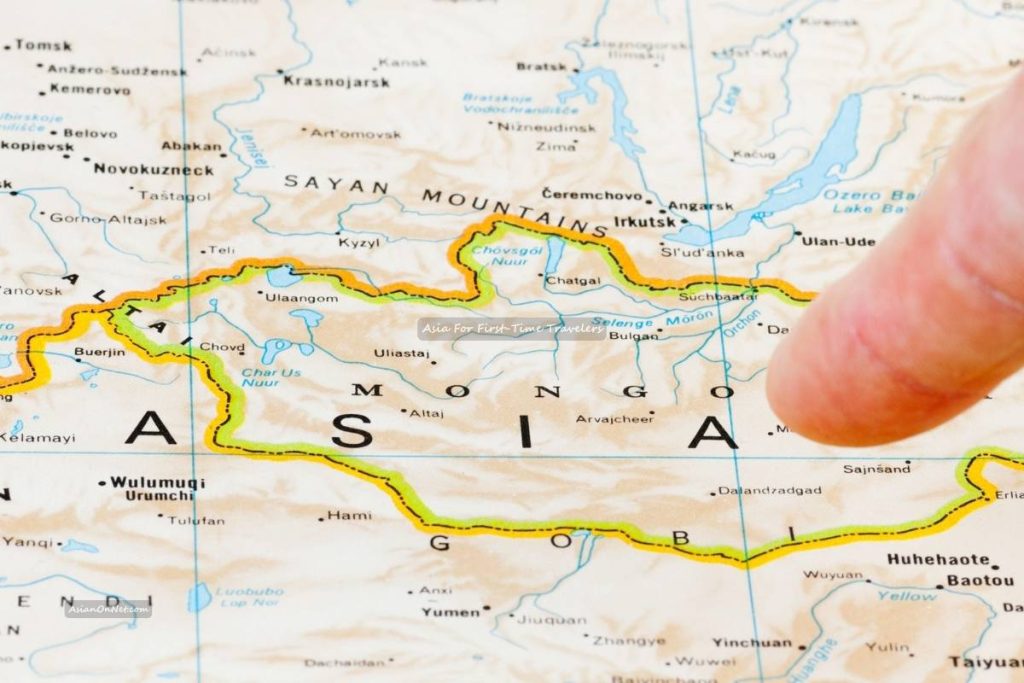
However, there is no single best destination in Asia for first-time travelers. Someone interested in food and city life may enjoy Bangkok, while another visitor may prefer Singapore’s compact urban experience, Japan’s rail-connected cities, or a combination of culture and mountain scenery around Chiang Mai.
This guide compares practical destination choices and explains how to build a first itinerary without trying to cross half of Asia in one holiday.
👉 “First-time travelers considering Bangkok may also explore this helpful introduction to visiting Bangkok for practical tips on the city, local experiences, and everyday travel.”
Singapore For An Easy First City Experience
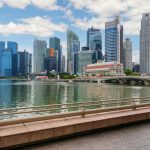
Singapore is one of the simplest introductions to Asia for first-time travelers who want a highly organised urban destination.
The city’s official tourism information highlights an extensive public transport system of trains and buses connecting most parts of the island.
Singapore works particularly well for visitors interested in:
- Modern city attractions
- Food
- Shopping
- Gardens
- Different neighbourhoods
- Museums
- Easy public transport
- Short urban stays
Accommodation ranges from hostels and straightforward hotels to luxury properties, although travellers should compare prices carefully because costs can be higher than in several Southeast Asian destinations.
How Long To Stay In Singapore
Around three to five full days can work well for many first visits.
A longer stay can make sense for travellers who prefer slower travel or want to explore neighbourhoods and attractions beyond the most famous central areas.
Singapore’s official tourism site even provides longer itinerary ideas, including a seven-day itinerary, showing that the destination can support more than a quick stopover.
For Asia for first-time travelers, Singapore is especially suitable when simplicity matters more than trying to cover many different landscapes in one destination.
Tokyo For A First Experience Of Japan
Tokyo offers a completely different first Asian experience.
It is enormous, busy, highly developed, and filled with neighbourhoods that can feel almost like separate cities.
Tokyo can suit travellers interested in:
- Japanese food
- Shopping
- Technology
- Museums
- Pop culture
- Traditional areas
- Urban photography
- Day trips
Japan’s official tourism organisation provides dedicated first-time visitor information as well as detailed transportation guidance.
Public transport is one of Japan’s greatest practical advantages. JNTO notes that visitors commonly travel by trains, Shinkansen, and buses when moving around the country.
That makes Japan particularly attractive when considering Asia for first-time travelers who want to visit more than one city without repeatedly flying.
Tokyo, Kyoto, And Osaka Make A Practical Japan Route
A first Japan trip does not need to include the entire country.
Tokyo, Kyoto, and Osaka create a logical introductory route.
JNTO describes the established Tokyo–Kyoto–Osaka route as a popular way for first-time visitors to gain an overview of Japanese culture, history, cuisine, and modern urban life.
A simple itinerary might be:
- Tokyo — four to five nights
- Kyoto — three to four nights
- Osaka — two to three nights
This provides variety without excessive hotel changes.
For Asia for first-time travelers, this is a good example of why staying within one country can still provide very different experiences.
Kyoto For Culture And A Slower Pace
Kyoto provides a contrast to Tokyo.
Visitors often choose it for:
- Historic districts
- Temples and shrines
- Gardens
- Traditional architecture
- Food
- Walking
- Cultural experiences
Kyoto can be combined easily with Osaka and Tokyo using Japan’s rail network.
However, first-time visitors should resist trying to visit every famous site in one or two days.
Kyoto rewards a slower schedule.
When planning Asia for first-time travelers, it is often better to spend three comfortable days in one cultural destination than to visit three cities for one night each.
Osaka For Food And A Livelier Urban Atmosphere
Osaka can work well after Kyoto because it offers a more energetic city environment while remaining conveniently connected within Japan’s rail system.
It can appeal to travellers interested in:
- Casual food
- Shopping
- Night-time city atmosphere
- Entertainment
- Day trips
- Urban neighbourhoods
A first Japan itinerary does not necessarily need both Tokyo and Osaka, but combining them can provide two different major-city experiences.
Bangkok For Food, City Life, And Variety
Bangkok is another strong option for Asia for first-time travelers.
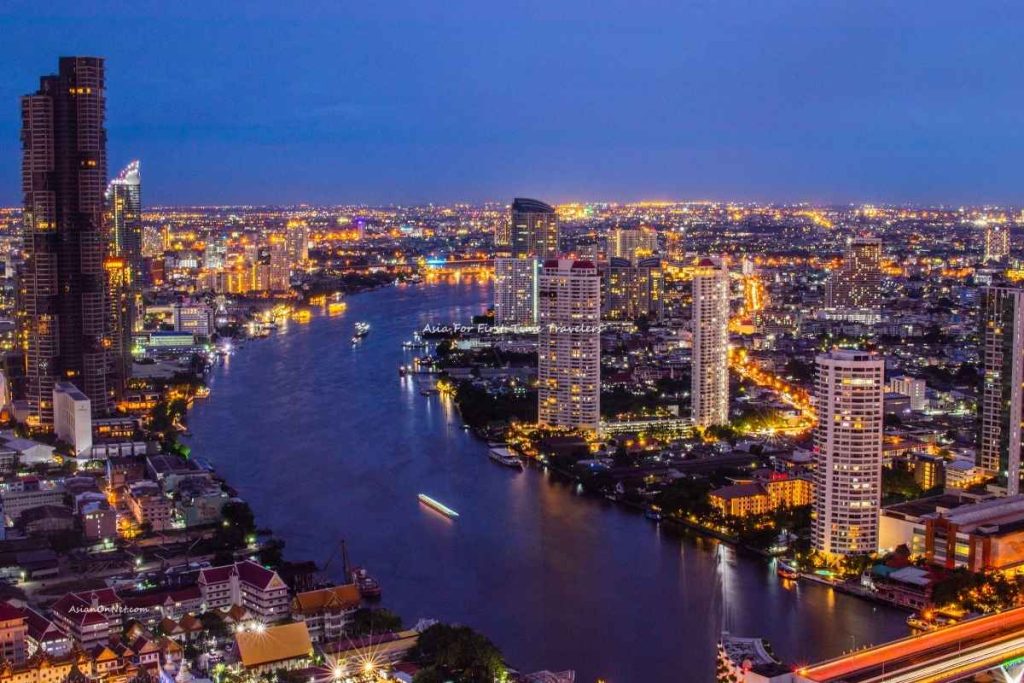
Thailand’s official tourism authority provides destination, accommodation, attraction, and trip-planning information for Bangkok and other parts of the country.
Bangkok can offer:
- Thai food
- Markets
- Temples
- Shopping centres
- Museums
- River experiences
- Modern neighbourhoods
- Traditional areas
- Easy connections to other Thai destinations
It is more intense than Singapore, particularly because of traffic, heat, crowds, and the city’s size.
That does not make Bangkok unsuitable for beginners. It simply means travellers should avoid planning activities in distant parts of the city on the same day.
How Long To Stay In Bangkok
Four or five nights is a comfortable starting point for many first visits.
This provides enough time for:
- Major cultural attractions
- Food exploration
- Shopping
- A market
- A slower day
- One optional day trip
Bangkok also works well as the starting point for a broader Thailand itinerary.
For Asia for first-time travelers, Thailand has the advantage of allowing very different experiences without crossing international borders.
Chiang Mai For Culture And Northern Thailand
Chiang Mai is another practical Thai destination.
Thailand’s official tourism site provides dedicated visitor information for Chiang Mai, including attractions and travel planning.
Travellers may choose Chiang Mai for:
- Temples
- Northern Thai food
- Markets
- Mountain scenery
- Cafés
- Crafts
- Nature excursions
- A slower atmosphere than Bangkok
Chiang Mai can work particularly well after several days in Bangkok.
A trip such as:
Bangkok → Chiang Mai
offers urban variety while keeping the journey inside one country.
Add A Beach Without Adding Another Country
Travellers often assume that a first Asia trip should include several countries.
Thailand demonstrates why that is unnecessary.
A first trip could combine:
Bangkok → Chiang Mai → beach destination
This can provide:
- Major city life
- Culture
- Food
- Northern scenery
- Beaches
- Relaxation
Thailand’s tourism authority promotes itineraries combining Bangkok, Chiang Mai, and Phuket, illustrating how different parts of one country can form a varied trip.
For Asia for first-time travelers, this type of itinerary is usually easier than adding multiple international flights.
Seoul For A Modern City With Strong Public Transport
Seoul is another accessible option for first-time visitors.
Korea’s official tourism platform provides visitor information covering transportation, accommodation, food, and shopping.
Seoul can appeal to travellers interested in:
- Korean food
- Shopping
- Cafés
- Historic palaces
- Modern neighbourhoods
- Music and entertainment
- Museums
- Day trips
Public transport is a major practical advantage. VISITKOREA provides dedicated information on transport cards and Seoul’s subway and bus systems.
That combination makes Seoul a strong choice for Asia for first-time travelers who prefer staying in one large city and exploring it thoroughly.
How Long To Stay In Seoul
Four to six days can provide a comfortable introduction.
That gives enough time to explore:
- Central historic areas
- Modern districts
- Food neighbourhoods
- Shopping
- Museums
- One optional excursion
South Korea can also be expanded into a longer trip, but first-time visitors do not need to add several cities automatically.
Bangkok Or Singapore?
These destinations suit different first trips.
Choose Bangkok For
- Thai food
- Markets
- Temples
- Lower-cost choices in many categories
- A more energetic city experience
- Easy combination with northern Thailand or beaches
Choose Singapore For
- Compact city exploration
- Straightforward public transport
- Modern infrastructure
- A shorter first trip
- Food from several cultural traditions
- An easier transition into Asian urban travel
Singapore’s extensive train and bus system makes movement especially straightforward, while Thailand offers a wider range of destination types within one country.
Both can work extremely well for Asia for first-time travelers.
Tokyo Or Seoul?
Tokyo and Seoul both work well for travellers who enjoy large modern cities.
Tokyo May Suit You If You Want
- Japan’s rail travel
- Tokyo plus Kyoto or Osaka
- Japanese food
- Huge neighbourhood variety
- Traditional and modern attractions
Seoul May Suit You If You Want
- A city-focused trip
- Korean food and cafés
- Palaces and modern neighbourhoods
- Convenient metropolitan transport
- Entertainment and shopping
Japan has particularly strong intercity rail connections for travellers planning several destinations, while Seoul can work very well as a single-city base.
City, Beach, Culture, Or Nature?
The best destination in Asia for first-time travelers depends more on preferred travel style than on a universal ranking.
For A Major City Experience
Consider:
- Tokyo
- Seoul
- Singapore
- Bangkok
For Culture
Consider:
- Kyoto
- Chiang Mai
- Bangkok
- Seoul
For A City Plus Beach Trip
Thailand is particularly practical because Bangkok can be combined with southern beach destinations without adding another country.
For City Plus Nature
Chiang Mai can provide access to northern scenery, while Japan allows travellers to move from dense cities toward smaller destinations using extensive rail and bus networks.
Food Accessibility Matters On A First Trip
Food can influence how comfortable a destination feels.
Major destinations such as Bangkok, Singapore, Tokyo, Seoul, Kyoto, and Osaka provide choices ranging from local specialities to familiar international options.
For Asia for first-time travelers, it can be helpful to choose accommodation near an area with several food choices rather than relying on one specific restaurant.
Travellers with allergies or strict dietary needs should learn how to communicate those requirements clearly and verify ingredients rather than assuming a dish is suitable.
Accommodation Location Matters More Than Luxury
A moderately priced hotel near useful transport can sometimes make a first trip easier than a more luxurious property far from the places you want to visit.
Before booking, check:
- Distance from a train or metro station
- Airport connections
- Restaurants nearby
- Walking conditions
- Convenience stores
- Main attractions
- Whether late-night transport is available
This is particularly important in very large cities.
For Asia for first-time travelers, saving twenty minutes on several journeys every day can matter more than adding another hotel feature.
One Country Or Several?
One of the biggest first-trip decisions is whether to visit one country or several.
A multi-country itinerary can sound exciting:
Thailand → Singapore → Japan → South Korea
But every international move adds:
- Packing
- Airport travel
- Check-in
- Security or immigration procedures
- Flight time
- Hotel changes
- New transport systems
- New currencies or payment habits
For a first journey, one country can often provide a better introduction.
When One Country Makes More Sense
Choose one country when:
- Your trip is one or two weeks
- You prefer slower travel
- You dislike airports
- You want to understand destinations rather than collect them
- The country already offers several types of experience
Japan and Thailand are particularly easy examples of countries where first-time visitors can create varied itineraries without adding another nation. Japan has established intercity rail travel, while Thailand combines major cities, northern destinations, and beach regions.
This can make Asia for first-time travelers much less stressful.
When Two Countries Can Work
Two countries can make sense when the connection is simple and the trip is long enough.
For example:
Thailand + Singapore
could provide a combination of:
- Bangkok
- Thai culture and food
- A beach or Chiang Mai
- Singapore’s compact urban experience
But avoid adding another country simply because flights appear inexpensive.
Travel time includes much more than time in the air.
Avoid The Seven-Cities-In-Two-Weeks Itinerary
An overly ambitious first itinerary may look impressive on paper but exhausting in reality.
Consider this:
Tokyo → Kyoto → Seoul → Bangkok → Chiang Mai → Singapore
Each destination deserves time of its own.
Instead, choose something like:
Japan: Tokyo → Kyoto → Osaka
or:
Thailand: Bangkok → Chiang Mai → beach
or:
South Korea: Seoul plus one additional destination
or:
Singapore: a shorter focused city trip
A simpler itinerary usually produces a better experience of Asia for first-time travelers.
Stay Longer And Travel Less
For a two-week trip, three main bases may already be enough.
For example:
- Five nights in one major city
- Four nights in a cultural or nature destination
- Five nights at a beach or second city
This leaves time to explore rather than repeatedly packing luggage.
The goal should be memorable days, not the largest possible number of map pins.
Prepare For Cultural Differences Without Overcomplicating Them
Practical cultural preparation is useful for Asia for first-time travelers, but it does not require memorising dozens of rules.
Before arriving, learn:
- Basic greetings
- How queues work locally
- Appropriate behaviour at religious sites
- Whether shoes are normally removed in certain settings
- Basic table manners
- How tipping works
- Common transport etiquette
- A few useful local words
Use official destination guidance where possible, and observe how local people behave.
Respectful curiosity is more useful than worrying constantly about making a minor mistake.
Learn A Few Words
You do not need fluency.
Useful phrases may include:
- Hello
- Thank you
- Excuse me
- Please
- How much?
- Where is…?
- No spicy food
- I have an allergy
Japan’s official tourism organisation, for example, provides language information specifically for visitors.
A few words can make Asia for first-time travelers feel more approachable even in destinations where English is not used everywhere.
Compare Destinations By Practical Travel Style
A simple comparison can help.
Singapore
Best for: Easy city introduction
Suggested stay: 3–5 days
Strength: Compact, convenient public transport
Add another destination? Optional
Bangkok
Best for: Food, markets, temples, urban variety
Suggested stay: 4–5 days
Strength: Easy gateway to other Thai destinations
Add another destination? Chiang Mai or a beach
Tokyo
Best for: Major-city experience and Japan introduction
Suggested stay: 4–6 days
Strength: Excellent connection with other Japanese cities
Add another destination? Kyoto and/or Osaka
Kyoto
Best for: Cultural focus
Suggested stay: 3–4 days
Strength: Easy to combine with Tokyo and Osaka
Add another destination? Usually yes
Seoul
Best for: Modern city, food, shopping, history
Suggested stay: 4–6 days
Strength: Strong metropolitan transport
Add another destination? Optional
Chiang Mai
Best for: Slower city, northern culture, nearby nature
Suggested stay: 3–5 days
Strength: Good contrast with Bangkok
Add another destination? Bangkok or southern Thailand
These are planning suggestions rather than fixed minimums.
Simple First-Time Asia Itinerary Ideas
For Asia for first-time travelers, these routes keep transfers relatively manageable.
Easy Japan Introduction
Tokyo → Kyoto → Osaka
Best for travellers who want cities, food, culture, and convenient rail travel. JNTO identifies this general route as a well-established first-time itinerary.
Thailand City, Culture, And Beach
Bangkok → Chiang Mai → beach destination
Best for travellers who want maximum variety within one country.
Seoul-Focused Trip
Seoul → one regional side trip
Best for travellers who prefer one main hotel base and a highly urban holiday.
Singapore Short Trip
Singapore only
Best for travellers with limited time who want an accessible introduction to Asian city travel.
A Practical Destination Checklist
Before choosing among the best places in Asia for first-time travelers, ask:
Transport: Can I move around without complicated transfers?
Accommodation: Are there suitable hotels in convenient areas?
Food: Will I have enough choices for my needs?
Interests: Do I want city life, beaches, culture, or nature?
Trip length: Does the destination deserve the time I can give it?
Transfers: Am I spending too much of the holiday moving?
Budget: Do the accommodation and transport costs fit my plan?
Weather: Are the expected conditions appropriate for what I want to do?
Culture: Have I learned the basic local etiquette?
Pace: Does the itinerary include free time?
This checklist is often more useful than choosing destinations from a generic ranking.
👉 “First-time visitors planning an Asia trip may also explore this broader guide to travel and destinations across Asia for more ideas on places, planning, and regional experiences.”
Conclusion
Choosing the best destinations in Asia for first-time travelers becomes easier when you stop trying to see the entire continent in one journey.
Singapore provides a compact and highly connected city experience, supported by an extensive public transport network.
Japan works particularly well for travellers who want several destinations because trains, Shinkansen, and buses connect major visitor routes, and the Tokyo–Kyoto–Osaka corridor is well established for first-time visitors.
Thailand offers another useful approach to Asia for first-time travelers because one country can combine Bangkok, Chiang Mai, and beach destinations.
Seoul suits visitors who want a major modern city with comprehensive public transport and strong food, shopping, cultural, and entertainment options. VISITKOREA provides extensive transport and travel guidance for visitors.
The most important decision is not whether Tokyo is better than Bangkok or Singapore is better than Seoul. It is choosing a destination that matches the type of holiday you actually want.
For Asia for first-time travelers, a focused itinerary with two or three well-chosen bases will usually be more enjoyable than racing through five countries.
Choose fewer destinations, stay long enough to understand them, allow time for food and ordinary neighbourhood exploration, and remember that a first trip to Asia does not need to be your last.
FAQ
What Are The Best Places In Asia For First-Time Travelers?
Singapore, Tokyo, Bangkok, Seoul, Kyoto, Chiang Mai, and Osaka are practical starting points depending on whether you prefer easy city travel, food, culture, beaches, or nature.
Is Singapore Good For A First Trip To Asia?
Yes. Its extensive train and bus network makes movement relatively straightforward for visitors.
Is Japan Difficult For First-Time Visitors?
Japan can initially appear complex, but its extensive public transport network makes multi-city travel practical. JNTO provides dedicated information for first-time visitors.
Is Thailand Good For Asia For First-Time Travelers?
Yes. Thailand can combine Bangkok, northern destinations such as Chiang Mai, and beach areas within one country.
Should I Visit One Country Or Several?
For a one- or two-week first trip, one country is often enough. It reduces flights and hotel changes while allowing more time in each destination.
How Many Cities Should I Visit In Two Weeks?
Around two or three main bases can create a comfortable trip. More destinations are possible, but frequent transfers reduce sightseeing and rest time.
Which Asian Destination Has Easy Public Transport?
Singapore, Tokyo and Japan’s major visitor routes, and Seoul all have extensive public transport systems documented by their official tourism organisations.
Which Destination Is Best For Cities And Beaches?
Thailand is a practical choice because Bangkok can be combined with southern beach destinations without adding an international border crossing.
How Much Cultural Preparation Do I Need?
Learn basic greetings, important local etiquette, behaviour at religious or cultural sites, and practical transport customs. You do not need to memorise every possible social rule.
What Is The Biggest Mistake When Planning Asia For First-Time Travelers?
Trying to visit too many countries and cities. Asia for first-time travelers is usually easier and more rewarding when the first itinerary is deliberately limited and leaves enough time to enjoy each destination.