







- Introduction
- Why Cultural Heritage Sites In Asia Are Worth Visiting
- Choosing The Right Heritage Sites For Your Trip
- Types Of Cultural Heritage Sites In Asia
- Ancient Temples
- Historic Cities And Old Towns
- Archaeological Ruins
- Museums And Cultural Centres
- Traditional Villages And Living Heritage
- Religious Sites And Sacred Spaces
- Dress Code Tips
- Photography Rules
- Planning Your Visit
- Choosing The Best Time To Visit
- Weather And Comfort
- Walking And Accessibility
- Visiting With Children
- Visiting With Older Travellers
- Using Local Guides
- Responsible Tourism
- Supporting Local Communities
- Food And Drink Rules
- Safety Tips
- Common Mistakes To Avoid
- Simple Visit Checklist
- How To Make The Experience More Meaningful
- Conclusion
- FAQ
- What Is The Best Way To Plan A Trip To Cultural Heritage Sites In Asia?
- Why Is A Guide To Cultural Heritage Sites In Asia Useful?
- How Can I Respect Local Customs At Cultural Heritage Sites?
- Can I Take Food And Drinks Into Cultural Heritage Sites In Asia?
- Can I Take Photos At Cultural Heritage Sites?
- What Should I Wear When Visiting Heritage Sites In Asia?
- Are Cultural Heritage Sites In Asia Good For Children?
- Should I Hire A Local Guide?
- How Can I Stay Safe While Visiting Heritage Sites?
- How Can I Support Heritage Preservation While Travelling?
Introduction
Asia is home to some of the world’s most meaningful cultural heritage sites. Across the continent, visitors can explore ancient temples, old towns, historic cities, traditional villages, palaces, mosques, shrines, archaeological ruins, museums, gardens, forts, and sacred landscapes.
A good Guide To Cultural Heritage Sites In Asia is not only about where to go. It is also about how to visit with respect, awareness, and practical planning. Many heritage places are still connected to living communities, active religious traditions, local ceremonies, and daily life.
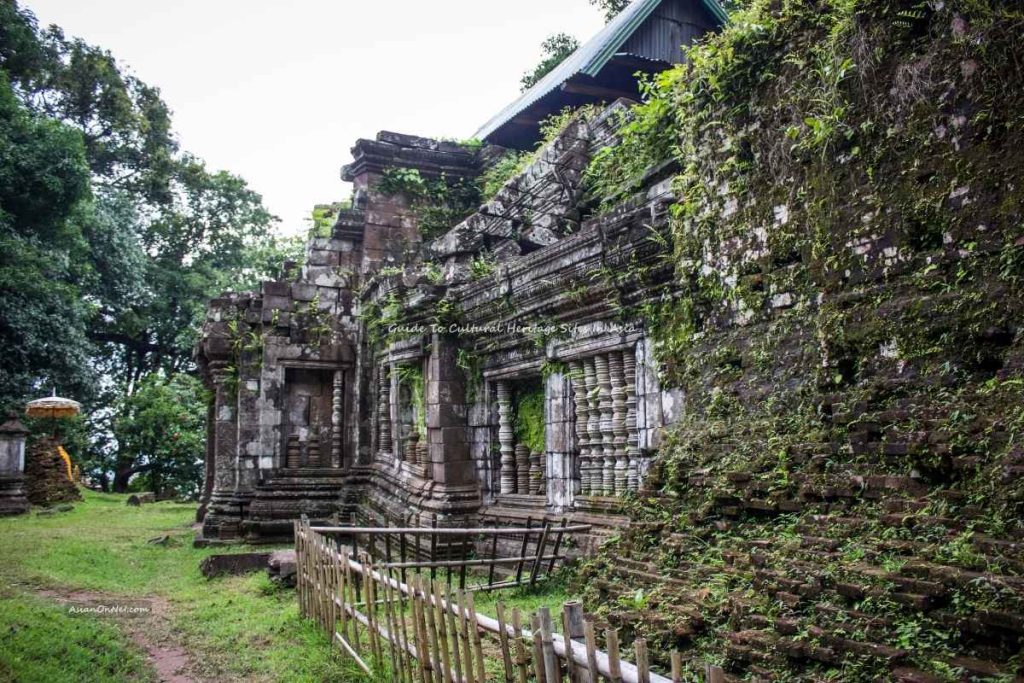
This guide explains how to choose cultural heritage sites, plan your visit, respect local customs, avoid common mistakes, and make your experience more meaningful.
👉 “Readers learning about Asian traditions may also enjoy these Cultural Festivals in Thailand as practical examples of local customs and celebrations.</”
Why Cultural Heritage Sites In Asia Are Worth Visiting
Cultural heritage sites help visitors understand the history, beliefs, architecture, art, language, trade, migration, and daily life of different communities. They show how people lived, worshipped, worked, built, celebrated, and preserved traditions across generations.
A Guide To Cultural Heritage Sites In Asia can help travellers see these places as more than photo stops. Many sites carry deep cultural meaning and deserve patience, respect, and curiosity.
Cultural heritage sites may include:
- Ancient temples
- Historic cities
- Old towns
- Palaces
- Forts
- Religious monuments
- Archaeological ruins
- Traditional villages
- Museums
- Cultural landscapes
- Sacred mountains
- Colonial-era buildings
- Traditional markets
- Heritage walking streets
- Historic gardens
Each site tells a different part of Asia’s story.
Choosing The Right Heritage Sites For Your Trip
Asia is large and diverse, so visitors should choose heritage sites based on time, interests, location, and travel style.
Before choosing a site, ask yourself:
- Do I enjoy temples and religious history?
- Do I prefer old towns and walking streets?
- Am I interested in archaeology?
- Do I want museums and guided learning?
- Am I travelling with children?
- Do I need accessible paths?
- Do I prefer quiet places or famous landmarks?
- How much walking can I manage?
- Is the site easy to reach?
- How much time do I have?
A practical Guide To Cultural Heritage Sites In Asia should help you choose fewer places more carefully rather than rushing through too many.
Types Of Cultural Heritage Sites In Asia
Asia offers many different types of heritage experiences.
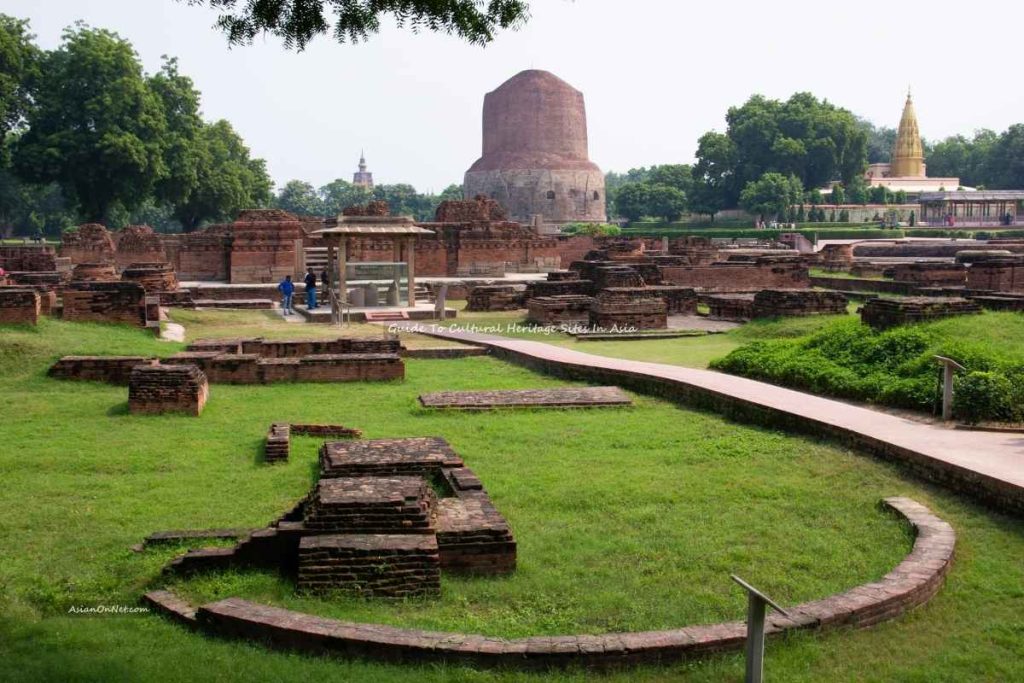
Common types include:
- Buddhist temples
- Hindu temples
- Islamic mosques
- Christian churches
- Taoist temples
- Shinto shrines
- Ancient capitals
- Royal palaces
- Fortified cities
- Trading ports
- Colonial districts
- Traditional houses
- Archaeological parks
- Craft villages
- Historic markets
- Cultural museums
Each type of site has different rules, customs, and expectations. A quiet temple visit is different from exploring an old market or walking through a ruined city.
Ancient Temples
Ancient temples are among the most visited cultural heritage sites in Asia. They may be active places of worship, archaeological sites, or both.
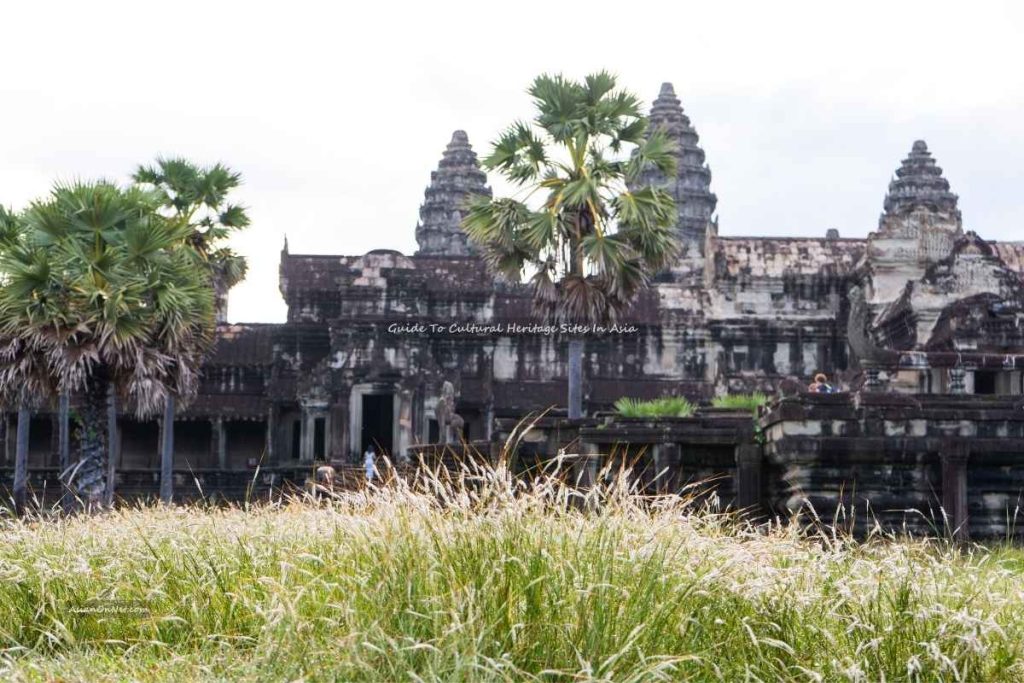
When visiting temples, remember:
- Dress modestly
- Speak quietly
- Remove shoes if required
- Do not touch sacred objects
- Avoid climbing restricted structures
- Follow signs
- Do not block worshippers
- Ask before photographing people
- Keep children close
- Avoid loud behaviour
Temples are not only tourist attractions. Many are sacred spaces for local communities.
Historic Cities And Old Towns
Historic cities and old towns are excellent places to understand local life. They may include old houses, temples, markets, streets, canals, museums, cafés, and traditional shops.
Good ways to explore old towns include:
- Walking slowly
- Joining a heritage walk
- Visiting local museums
- Trying traditional food
- Reading plaques and signs
- Talking respectfully with locals
- Supporting small businesses
- Avoiding damage to old buildings
- Taking photos without disturbing residents
Old towns often mix heritage and modern life. Visitors should remember that people may still live and work there.
Archaeological Ruins
Archaeological ruins can be powerful places to visit, but they require extra care. Stones, walls, carvings, and pathways may be fragile.
Good behaviour includes:
- Staying on marked paths
- Avoiding climbing unless allowed
- Not touching carvings
- Not removing stones or objects
- Respecting barriers
- Avoiding graffiti
- Following guide instructions
- Protecting the site from litter
- Keeping children supervised
A Guide To Cultural Heritage Sites In Asia should always remind travellers that ruins are not playgrounds. They are evidence of human history.
Museums And Cultural Centres
Museums and cultural centres help explain the background of heritage sites. They can make a visit more meaningful, especially if the site itself has limited signs or complex history.
Museums may explain:
- Local history
- Religious traditions
- Art and sculpture
- Trade routes
- Colonial history
- Traditional clothing
- Architecture
- Language
- Local crafts
- Daily life
- Archaeology
- Migration and identity
Visiting a museum before or after a heritage site can help you understand what you saw.
Traditional Villages And Living Heritage
Some cultural heritage places are living communities, not only historic monuments. Traditional villages, craft communities, markets, and old neighbourhoods may still follow local customs and ways of life.
When visiting living heritage areas:
- Be respectful of residents
- Do not enter private homes without permission
- Ask before taking close photos
- Support local crafts fairly
- Avoid treating people as attractions
- Follow local dress expectations
- Keep noise low
- Do not block doorways or paths
- Learn basic greetings
- Buy from local businesses when possible
Living heritage is about people as much as buildings.
Religious Sites And Sacred Spaces
Asia has many religious traditions, and visitors may enter sacred spaces connected to Buddhism, Hinduism, Islam, Christianity, Sikhism, Taoism, Shinto, and local spiritual practices.
Respectful behaviour may include:
- Dressing modestly
- Removing shoes
- Covering shoulders or legs
- Keeping silence
- Avoiding flash photography
- Not touching sacred objects
- Not pointing feet at sacred images
- Following gender-specific rules where present
- Observing before acting
- Asking staff if unsure
Rules vary by country and religion, so avoid assuming one rule applies everywhere.
Dress Code Tips
Clothing expectations differ across Asia, but modest clothing is usually safest for religious and cultural heritage sites.
Good clothing choices include:
- Covered shoulders
- Covered knees
- Lightweight long trousers
- Long skirts
- Loose shirts
- Comfortable walking shoes
- A scarf or shawl
- Breathable fabrics
- Easy-to-remove shoes where needed
Avoid clothing that is too revealing at sacred places. Some sites may refuse entry if dress rules are not followed.
Photography Rules
Photography is one of the most common issues at heritage sites. Some places allow photos freely. Others ban photos in certain rooms, museums, shrines, ceremonies, or sacred areas.
Before taking photos, check:
- Are there no-photo signs?
- Is flash allowed?
- Are tripods allowed?
- Is drone use banned?
- Are people praying nearby?
- Is a ceremony happening?
- Is the area private?
- Are children or monks visible?
- Do staff allow photos?
Good photography etiquette:
- Ask before photographing people
- Avoid blocking pathways
- Do not use flash near delicate art
- Respect no-photo areas
- Do not climb for a photo
- Avoid disturbing worshippers
- Be careful with drones
A photo is never worth disrespecting a site.
Planning Your Visit
Good planning makes heritage travel easier and more respectful.
Before visiting, check:
- Opening hours
- Ticket rules
- Dress code
- Photography rules
- Local holidays
- Religious events
- Weather
- Transport options
- Walking distance
- Accessibility
- Guided tour availability
- Food and water rules
- Restroom locations
- Crowd levels
- Site closures
Details can change, so check official sources or local information close to your visit.
Choosing The Best Time To Visit
The best time to visit depends on the site, weather, and crowd levels.
In many places, mornings can be better because:
- Temperatures may be cooler
- Light may be softer
- Crowds may be smaller
- Walking may feel easier
- Photography may be more comfortable
Late afternoon can also be pleasant, especially for outdoor sites.
Avoid midday heat if the site has little shade. For popular places, arrive early or visit during quieter periods when possible.
Weather And Comfort
Many cultural heritage sites in Asia are outdoors. Heat, humidity, rain, strong sun, and uneven paths can affect the experience.
Bring:
- Water
- Hat
- Sunscreen
- Comfortable shoes
- Light scarf
- Umbrella or rain jacket
- Small towel
- Insect repellent if needed
- Portable fan if useful
- Phone charger
- Simple first-aid items
A practical Guide To Cultural Heritage Sites In Asia should include comfort planning because tired visitors often rush and miss important details.
Walking And Accessibility
Some heritage sites have stairs, stone paths, uneven ground, hills, old streets, narrow passages, or long walking routes.
Before visiting, consider:
- Mobility needs
- Child strollers
- Wheelchair access
- Senior travellers
- Heat tolerance
- Distance between entrances and key areas
- Rest areas
- Toilets
- Shade
- Transport inside large sites
Not every historic site is fully accessible, so check in advance if accessibility is important.
Visiting With Children
Cultural heritage sites can be meaningful for children when visits are planned well.
Tips for families:
- Keep visits shorter
- Explain simple stories before going
- Bring water and snacks if allowed
- Plan toilet breaks
- Use shaded rest stops
- Avoid too many sites in one day
- Teach children not to touch carvings or objects
- Keep voices low in sacred places
- Choose sites with open space or museums
- Use simple questions to keep children interested
Children may not enjoy long historical explanations, but they can enjoy shapes, colours, stories, animals, carvings, and local legends.
Visiting With Older Travellers
Older travellers may enjoy cultural heritage sites deeply, but comfort planning matters.
Helpful tips include:
- Choose sites with seating
- Avoid extreme heat
- Use taxis or private transport where useful
- Keep the schedule light
- Check stairs and walking distances
- Bring water
- Plan rest breaks
- Choose guided tours with slower pacing
- Avoid overcrowded peak times
- Stay close to shaded areas
A slower visit often gives everyone a better experience.
Using Local Guides
A local guide can make a cultural heritage visit more meaningful. Guides can explain history, symbolism, architecture, rituals, and stories that visitors might miss.
A good guide can help with:
- Historical context
- Local etiquette
- Best walking route
- Language barriers
- Hidden details
- Cultural interpretation
- Timing
- Safety
- Responsible behaviour
Choose licensed or reputable guides when possible. A respectful guide can turn a simple visit into a richer learning experience.
Responsible Tourism
Responsible travel helps protect cultural heritage sites for future generations.
Responsible visitors should:
- Follow rules
- Avoid littering
- Stay on paths
- Respect local people
- Support local businesses
- Avoid damaging structures
- Avoid touching fragile art
- Pay official entry fees
- Choose ethical tours
- Avoid exploitative experiences
- Learn before visiting
- Share accurate information
A Guide To Cultural Heritage Sites In Asia should encourage travellers to protect the places they enjoy.
Supporting Local Communities
Cultural heritage tourism can support local communities when done thoughtfully.
Ways to support locals include:
- Hiring local guides
- Buying local crafts
- Eating at local restaurants
- Staying in locally run accommodation
- Joining community-based tours
- Paying fair prices
- Respecting residents
- Learning local customs
- Avoiding disrespectful photos
- Choosing responsible operators
Heritage sites are often connected to the people who care for them, live near them, and keep traditions alive.
Food And Drink Rules
Food and drink rules vary by site.
Some places allow water but not food. Some museums ban all food and drink inside. Some temples may allow small bottles but not eating in sacred areas.
Before bringing food or drinks, check:
- Are food items allowed?
- Is water allowed?
- Are there cafés nearby?
- Are there bins?
- Is the area sacred?
- Are there signs?
- Are there animals around?
- Is litter a problem?
Never leave rubbish behind. Carry waste out if bins are not available.
Safety Tips
Most cultural heritage visits are safe when travellers use common sense.
Helpful safety tips include:
- Keep valuables secure
- Stay aware in crowds
- Use official entrances
- Avoid restricted areas
- Watch uneven steps
- Drink water
- Avoid isolated areas late at night
- Use trusted transport
- Keep children close
- Follow staff instructions
- Check weather warnings
- Keep emergency contacts saved
- Carry a copy of your passport if needed
- Use local SIM or offline maps
Outdoor ruins and old stairways can be slippery, especially after rain.
Common Mistakes To Avoid
Visiting Too Many Sites In One Day
Heritage sites take time. Rushing makes the experience less meaningful.
Ignoring Dress Codes
Some places require modest clothing. Dress respectfully to avoid problems.
Taking Photos Without Permission
Always be careful when photographing people, ceremonies, monks, worshippers, or private homes.
Touching Fragile Objects
Old carvings, walls, statues, and textiles can be damaged by touch.
Skipping Background Research
A little history can make the visit much more interesting.
Forgetting Water And Sun Protection
Many sites are hot and open to the sun.
Treating Sacred Places Like Photo Sets
Respect worshippers and local traditions.
Simple Visit Checklist
Before visiting a heritage site, check:
- Opening hours
- Entry fees
- Dress code
- Transport
- Weather
- Photography rules
- Footwear rules
- Food and drink rules
- Accessibility
- Guided tour options
- Toilet locations
- Crowd timing
- Cultural etiquette
This checklist can make your visit smoother and more respectful.
How To Make The Experience More Meaningful
To get more from cultural heritage sites, slow down.
Try these ideas:
- Read a short history before visiting
- Look for symbols and details
- Ask respectful questions
- Visit a museum connected to the site
- Join a guided walk
- Listen to local stories
- Notice daily life around the site
- Spend time in one place instead of rushing
- Reflect after the visit
- Support local preservation efforts
The best heritage travel is not only about seeing. It is about understanding.
👉 “Visitors exploring heritage sites may also find it helpful to learn more about Asian Traditions To Know About.”
Conclusion
A practical Guide To Cultural Heritage Sites In Asia should help travellers plan better, behave respectfully, and enjoy deeper cultural experiences. Asia’s heritage sites include temples, old towns, ruins, palaces, mosques, shrines, museums, villages, markets, and sacred landscapes.
The key is to choose sites carefully, learn basic etiquette, dress appropriately, respect photography rules, protect fragile places, and remember that many heritage sites are still connected to living communities.
Travel slowly when possible. Listen, observe, ask respectfully, and support local people.
With thoughtful planning, this Guide To Cultural Heritage Sites In Asia can help visitors enjoy meaningful cultural travel while helping preserve Asia’s heritage for future generations.
FAQ
What Is The Best Way To Plan A Trip To Cultural Heritage Sites In Asia?
Start by choosing sites that match your interests, then check opening hours, dress codes, ticket rules, transport options, weather, and local customs before visiting.
Why Is A Guide To Cultural Heritage Sites In Asia Useful?
A Guide To Cultural Heritage Sites In Asia helps visitors plan respectful and practical trips to temples, old towns, ruins, museums, sacred places, and historic communities.
How Can I Respect Local Customs At Cultural Heritage Sites?
Dress modestly, speak quietly, follow signs, remove shoes if required, avoid touching sacred objects, ask before photographing people, and observe local behaviour before acting.
Can I Take Food And Drinks Into Cultural Heritage Sites In Asia?
Rules vary by site. Some places allow water but not food, while others restrict all food and drink in certain areas. Always check signs or ask staff.
Can I Take Photos At Cultural Heritage Sites?
Photography rules vary. Some sites allow photos, while others ban flash, tripods, drones, or photography in sacred or museum areas. Always follow posted rules.
What Should I Wear When Visiting Heritage Sites In Asia?
Modest clothing is usually safest. Cover shoulders and knees at religious sites, wear comfortable shoes, and carry a light scarf or shawl if needed.
Are Cultural Heritage Sites In Asia Good For Children?
Yes, but visits should be planned carefully. Choose shorter routes, explain simple stories, bring water, plan toilet breaks, and teach children not to touch fragile objects.
Should I Hire A Local Guide?
A local guide can make the visit more meaningful by explaining history, symbols, customs, architecture, and stories that may not be obvious to visitors.
How Can I Stay Safe While Visiting Heritage Sites?
Stay aware in crowds, keep valuables secure, watch uneven steps, drink water, follow staff instructions, use trusted transport, and avoid restricted areas.
How Can I Support Heritage Preservation While Travelling?
Follow site rules, avoid littering, pay official fees, support local guides and businesses, avoid damaging structures, and choose responsible tours.