








- Introduction
- Understanding the Diversity of Asian Cuisine
- Exploring Traditional Asian Drinks
- The Importance of Food Culture in Asian Societies
- Immersing Yourself in Asian Drinks and Food Culture
- Conclusion
- FAQ
- Why is what to know about asian drinks and food culture useful?
- How can beginners use what to know about asian drinks and food culture?
- What is the significance of tea in Asian culture?
- What are some popular Asian drinks that I should try?
- What are some must-try local dishes when traveling to Asia?
- Can I find Asian food in non-Asian countries?
- What are some traditional Asian desserts I should try?
- How can I learn more about Asian food culture?
- What is the best way to eat street food in Asia?
Introduction
what to know about asian drinks and food culture is the main topic of this guide, and the article explains it with practical details, useful examples, and beginner-friendly advice.
Asian drinks and food culture are an integral part of the continent’s rich heritage. From the spicy flavors of Korean kimchi to the fragrant aromas of Japanese sushi, each country has its own unique culinary traditions that reflect its history, geography, and values. In this article, we will delve into what to know about Asian drinks and food culture, exploring the diverse range of local dishes, traditional drinks, and Asia lifestyle.
👉 “Food culture is also easier to enjoy at home, and beginners can start with Easy Thai Noodle Recipes.”
Understanding the Diversity of Asian Cuisine
Asian cuisine is incredibly diverse, with different countries offering a wide variety of flavors, ingredients, and cooking techniques. For example, Chinese cuisine is known for its use of stir-frying, steaming, and braising, while Japanese cuisine emphasizes raw ingredients, seasonality, and presentation. Indian cuisine, on the other hand, is famous for its rich spices, curries, and tandoori cooking.
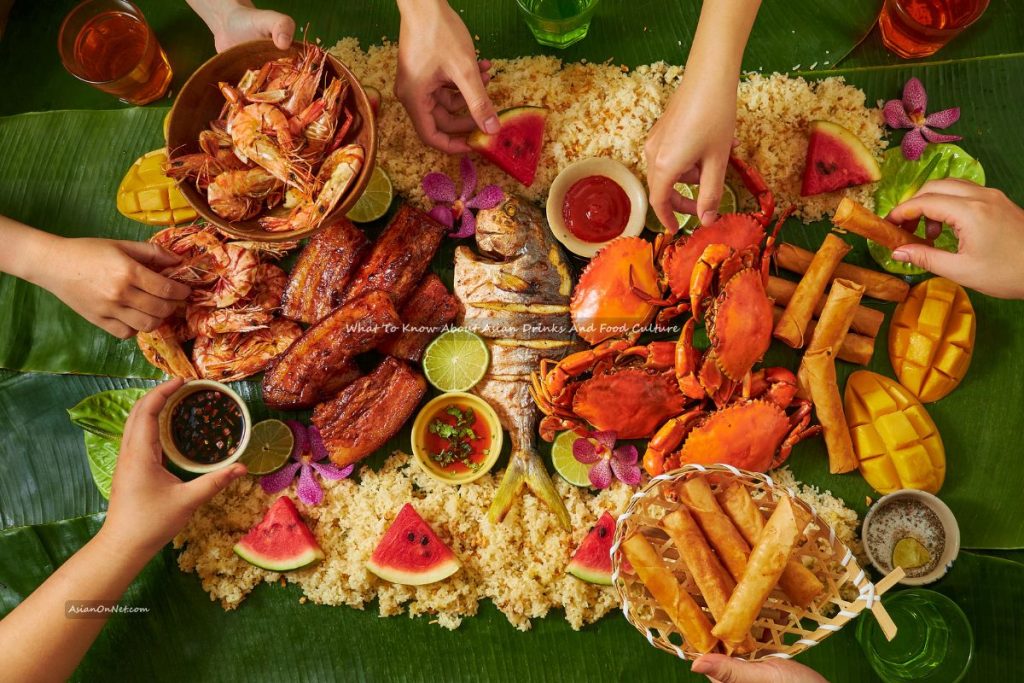
When exploring Asian food culture, it’s essential to consider the regional differences and local specialties. For instance, in Southeast Asia, dishes like pad thai and tom yum soup are popular street foods that showcase the region’s love for bold flavors and fresh ingredients. In contrast, Korean cuisine is known for its spicy kimchi and bibimbap, which reflect the country’s emphasis on fermented foods and communal dining.
To get the most out of your Asian food experience, it’s helpful to learn about local dishes, ingredients, and cooking techniques. This will not only enhance your appreciation for the cuisine but also allow you to navigate menus and restaurants with confidence. In our next section, we’ll explore some practical tips for exploring Asian drinks and food culture, including how to choose the best local restaurants and what to expect from traditional drinks like sake and tea.
Exploring Traditional Asian Drinks
Asian drinks culture is rich and diverse, with many traditional beverages that are still widely consumed today. From the sweet, milky tea of Japan to the spicy, fermented beer of Korea, each country has its own unique drink-making traditions.
In China, for example, tea has been an integral part of daily life for centuries. The art of brewing tea is highly revered, with different types of tea serving as a symbol of social status and hospitality. From green tea to oolong tea, Chinese tea culture offers a wealth of flavors and aromas to explore.
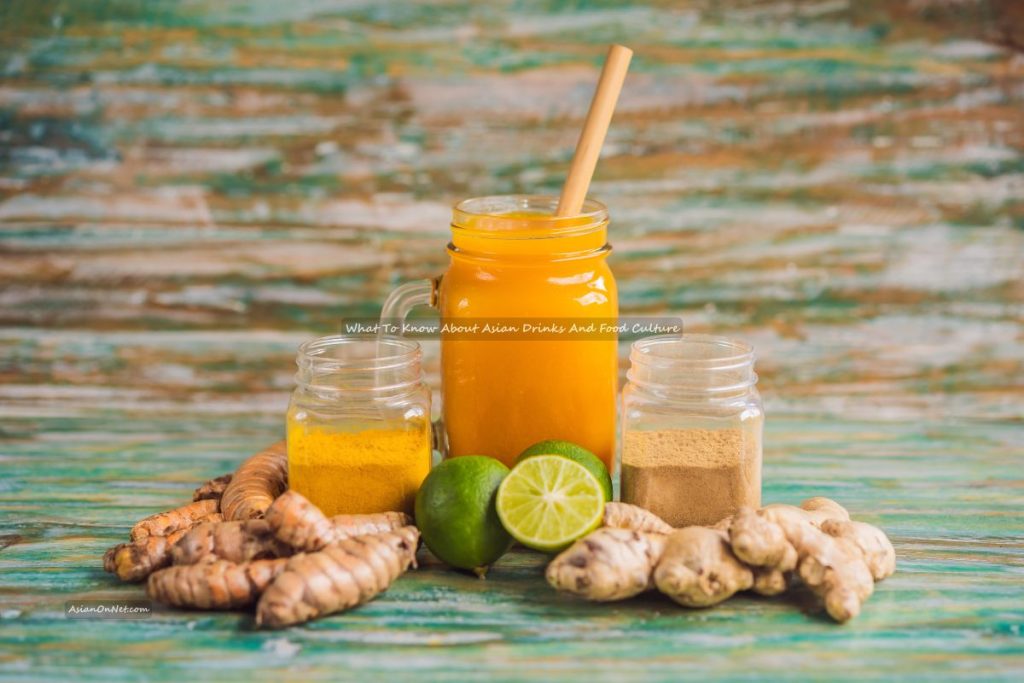
In India, the traditional drink of chai (also spelled cha) is an essential part of daily life. Made from black tea, milk, and spices, chai is often served at social gatherings and is a popular pick-me-up for busy Indians on-the-go.
In Japan, for example, green tea is an essential part of daily life. The traditional Japanese tea ceremony is a revered ritual that involves the preparation and serving of matcha, a finely ground green tea powder. This ceremony not only showcases the beauty of nature but also highlights the importance of mindfulness and respect in Asian culture.
In Thailand, the popular drink known as “Cha Yen” or Thai Iced Tea is a staple at street food stalls and markets. Made with strong black tea, sweetened condensed milk, and ice, this refreshing drink is perfect for hot days.
Step-by-Step Guide to Making Traditional Asian Drinks
To make traditional Asian drinks like Japanese matcha or Korean makgeolli, follow these simple steps:
- Use high-quality ingredients: Fresh tea leaves, pure milk, and natural spices are essential for creating authentic flavors.
- Follow traditional brewing methods: Whether it’s steeping green tea in Japan or fermenting rice in Korea, using the right techniques is crucial for achieving the perfect flavor.
- Experiment with different ratios: Adjusting the amount of ingredients can greatly impact the taste and texture of your drink. Try experimenting with different ratios to find your perfect blend.
By following these simple steps and exploring traditional Asian drinks, you’ll be able to experience the rich cultural heritage of Asia’s beverage traditions.
The Importance of Food Culture in Asian Societies
Food culture is a vital part of Asian societies, with meals often serving as a way to bring people together and strengthen social bonds. In many Asian countries, food is not just about sustenance, but also about hospitality, respect, and tradition.
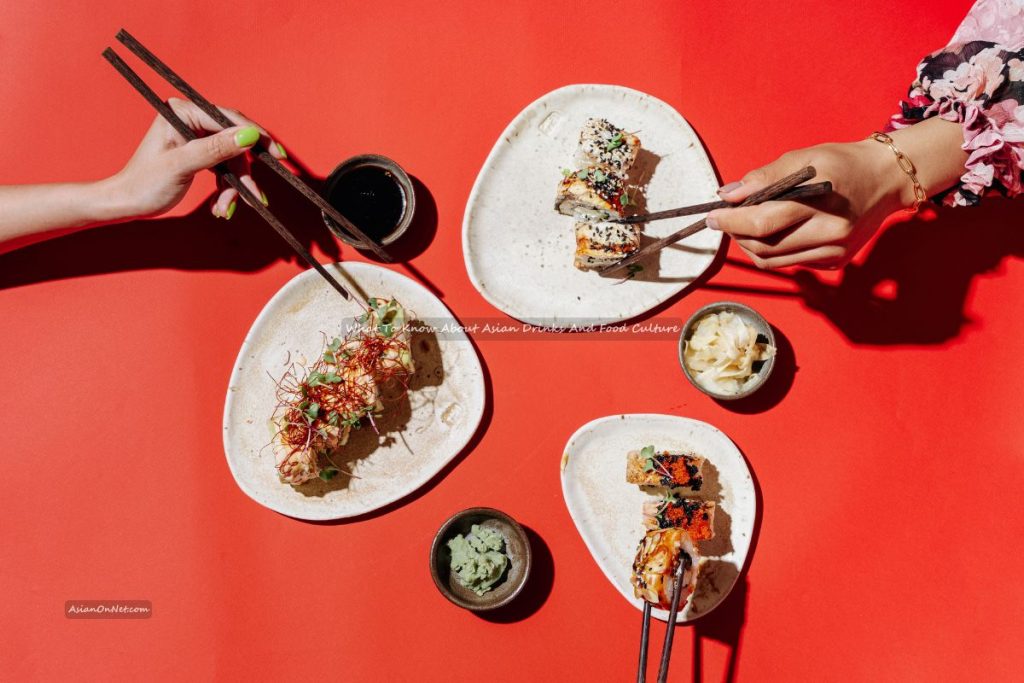
In Japan, for example, the traditional meal of kaiseki is an art form in itself. Each dish is carefully crafted to showcase the freshest ingredients and seasonings, with meals often served on special occasions like New Year’s Eve or weddings.
In Thailand, street food is a staple of daily life, with vendors serving up delicious dishes like pad thai and tom yum soup from carts and stalls throughout the city. Food culture in Thailand is all about community and sharing meals together.
By exploring Asian food culture and trying new dishes, you’ll gain a deeper understanding of the rich traditions and customs that shape these vibrant societies.
Popular Local Dishes to Try
When it comes to Asian cuisine, there’s an incredible variety of flavors and dishes to explore. Here are some popular local dishes to try:
- Pad Thai: Stir-fried rice noodles with shrimp, tofu, and vegetables, flavored with tamarind sauce.
- Sushi: A classic Japanese dish made from vinegared rice and various toppings such as raw fish, vegetables, and seafood.
- Nasi Goreng: Indonesian fried rice, often served with chicken, beef, or seafood, and topped with a fried egg and peanuts.
These dishes not only showcase the diversity of Asian cuisine but also highlight the importance of community and sharing food with others. Whether you’re trying new flavors or revisiting old favorites, exploring Asian drinks and food culture is an experience that will leave you wanting more.
Immersing Yourself in Asian Drinks and Food Culture
When planning your trip to Asia, consider the following tips to ensure a truly immersive experience:
- Research local festivals and events that celebrate traditional drinks and food. These events are often filled with authentic flavors and unique cultural experiences.
- Download local food delivery apps or join group tours to explore hidden gems and try new dishes.
- Learn a few basic phrases in the local language, such as “hello,” “thank you,” and “excuse me.” This will show respect for the culture and people.
- Be open-minded and willing to try new foods and drinks. Asian cuisine is incredibly diverse, and there’s something for every taste and preference.
- Respect local customs and traditions when it comes to food and drink. For example, in some cultures, it’s considered impolite to finish a meal completely, as it implies the host didn’t provide enough food.
In addition to these tips, consider the following:
When planning your trip, research local ingredients and seasonal produce to ensure you’re trying the freshest and most authentic dishes. Many Asian markets and grocery stores offer a wide range of exotic spices and ingredients that can elevate your dining experience.
Don’t be afraid to ask locals for recommendations or guidance on what to try. They’ll often point you in the direction of hidden gems and local favorites that only they know about.
Finally, remember that Asian drinks and food culture is all about community and sharing meals with others. Be prepared to engage in lively conversations and make new friends over a plate of delicious food.
👉 “Food and drink culture is often part of family travel, and you may also enjoy these family weekend ideas across Asia.”
Conclusion
Asian drinks and food culture offer a rich way to understand the traditions, daily life, and social values of different countries across the continent. From Japanese matcha and Chinese tea to Indian chai, Thai iced tea, street food, local markets, and family meals, food and drinks often show how people connect, celebrate, and welcome others.
For beginners, the best approach is to stay curious and open-minded. Try simple dishes first, learn about local ingredients, ask for recommendations, and respect food customs when visiting new places. Small details, such as how tea is served, how meals are shared, or how street food is prepared, can help you understand more about the culture behind the food.
Whether you are traveling in Asia, cooking Asian dishes at home, or simply learning about food traditions, Asian drinks and food culture can make the experience more meaningful. By exploring local flavors with respect and curiosity, you can enjoy not only the taste of Asia but also the stories, communities, and traditions behind every meal.the information.
FAQ
Why is what to know about asian drinks and food culture useful?
what to know about asian drinks and food culture is useful because it gives readers a clear starting point and helps them understand the topic step by step.
How can beginners use what to know about asian drinks and food culture?
Beginners can use what to know about asian drinks and food culture by starting with simple tips, learning the basic ideas, and applying them gradually.
What is the significance of tea in Asian culture?
Tea has been an integral part of Asian culture for centuries, playing a significant role in traditional ceremonies and daily life. In many Asian countries, tea is not just a beverage but also a symbol of hospitality, respect, and community bonding.
What are some popular Asian drinks that I should try?
Asia offers a diverse range of delicious and refreshing drinks, such as Japanese matcha, Chinese jasmine tea, Indian chai, and Thai iced tea. Each drink has its unique flavor profile and cultural significance, so be sure to try them when visiting Asia.
What are some must-try local dishes when traveling to Asia?
Asia is a food lover’s paradise, with a wide variety of local dishes to try. From spicy Korean kimchi to fragrant Thai curries, and from steamed Japanese buns to savory Chinese noodles, there’s something for every taste bud. Be sure to explore the local markets and street food stalls to discover these hidden gems.
Can I find Asian food in non-Asian countries?
Yes, many Asian restaurants can be found in non-Asian countries, particularly in cities with large expat communities or tourist areas. However, the authenticity and flavor of the dishes may vary compared to eating at authentic Asian restaurants.
What are some traditional Asian desserts I should try?
Asia offers a sweet tooth’s paradise, with a variety of traditional desserts such as mochi in Japan, egg tarts in Macau, and coconut rice pudding in Southeast Asia. These sweet treats are not only delicious but also steeped in cultural significance and history.
How can I learn more about Asian food culture?
There are many ways to learn more about Asian food culture, including cooking classes, food tours, and online resources such as blogs and social media platforms. You can also explore Asian cookbooks and watch cooking videos to get a deeper understanding of the cuisine.
What is the best way to eat street food in Asia?
Eating street food in Asia can be an exciting and delicious experience, but it’s essential to take some precautions to ensure food safety. Look for stalls with high turnover rates, choose dishes that are popular among locals, and avoid eating from stalls that appear dirty or unhygienic.