







- Introduction: The Living Heritage of Asia
- Historical Roots of Asian Performing Arts
- South Asia: Rhythm, Devotion, and Storytelling
- East Asia: Elegance and Symbolism
- Southeast Asia: Sacred and Spectacular
- Central Asia & The Silk Road: Nomadic Rhythms
- Contemporary Revivals & Global Influence
- Why These Arts Still Matter Today
- Conclusion: A Timeless Symphony of Movement & Melody
- FAQ Section
Introduction: The Living Heritage of Asia
Asia is a continent where sound and movement tell stories older than written words. Across bustling cities and remote villages, artistry flows through chants, rhythms, and choreographed gestures. At the heart of this heritage lie traditional Asian dance and music performances, which act as living bridges between past and present.
These performances are more than entertainment. They embody faith, folklore, philosophy, and communal identity. From the sacred dances of Indian temples to the precise grace of Japanese Noh theatre, and from the hypnotic Gamelan orchestras of Indonesia to the throat-singing of Mongolia, Asia’s performing arts paint a timeless cultural tapestry.
As globalization accelerates, preserving and understanding traditional Asian dance and music performances has become even more vital. They carry not only artistic value but also deep lessons about spirituality, resilience, and shared human emotion.
Historical Roots of Asian Performing Arts
The story of Asia’s performing arts begins thousands of years ago in shrines, courts, and nomadic camps. Movements and sounds were not created for casual amusement but as offerings to gods, as storytelling for tribes, or as royal entertainment for emperors.
In India, temple dancers once performed to honor deities, using rhythm and gesture as a form of worship. In China, ritual music and ceremonial dances were central to Confucian thought, symbolizing harmony in the cosmos. Along the Silk Road, musicians carried instruments and melodies across deserts, fusing cultures into new hybrids.
👉 “Looking for unforgettable cultural adventures? Don’t miss our guide on Festival Tours in Asia.”
Over centuries, these forms evolved while preserving their essence. Today, traditional Asian dance and music performances remain cultural anchors. They remind us that art has always been inseparable from spirituality, history, and identity.
South Asia: Rhythm, Devotion, and Storytelling
India’s Sacred Movements
India is perhaps the most prolific cradle of performance arts in Asia. Classical dance forms such as Bharatanatyam, Kathak, and Odissi are more than just aesthetic displays; they are embodiments of divine storytelling. Each mudra (gesture) and abhinaya (expression) communicates spiritual narratives rooted in Hindu epics like the Ramayana and Mahabharata.
Music, too, forms the heartbeat of these performances. Carnatic and Hindustani classical traditions, with their ragas and talas, weave improvisation and structure into transcendental soundscapes. Within this context, traditional Asian dance and music performances serve as both ritual devotion and communal experience.
Nepal and Sri Lanka: Ritual and Rhythm
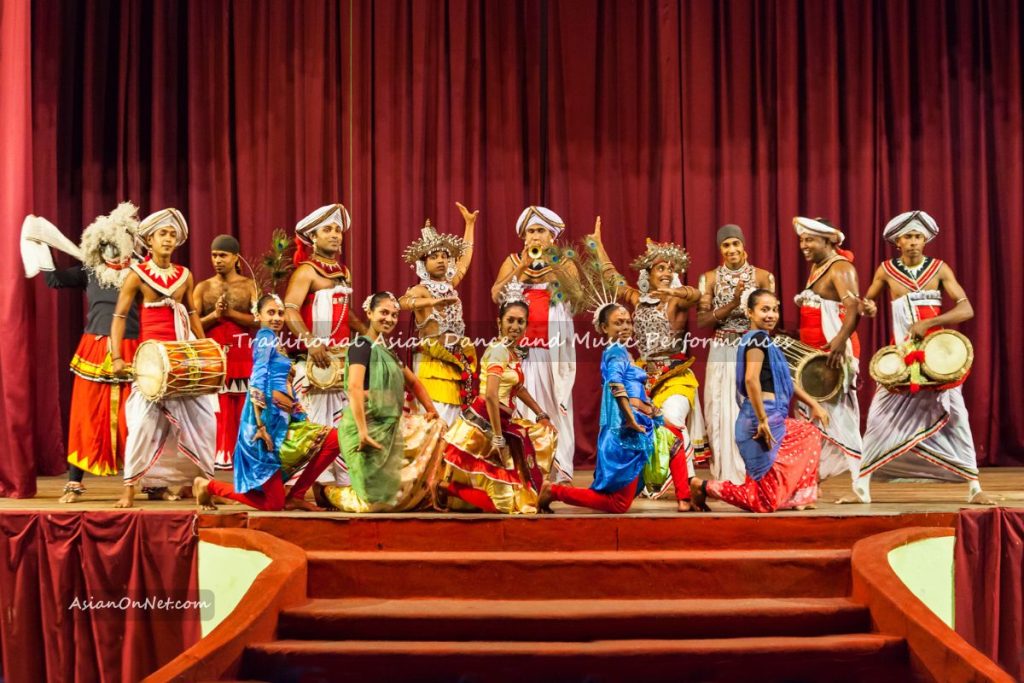
In Nepal, masked dances such as Lakhey are performed during festivals to ward off evil spirits, blending shamanic roots with Hindu and Buddhist influences. Sri Lanka’s Kandyan dance, characterized by acrobatics and elaborate costumes, evolved from rituals honoring the gods of fertility and rain.
Each of these traditions reinforces the idea that South Asian culture thrives on storytelling where every beat of a drum or flick of the hand carries sacred meaning.
East Asia: Elegance and Symbolism
China: Operatic Grandeur and Classical Harmony
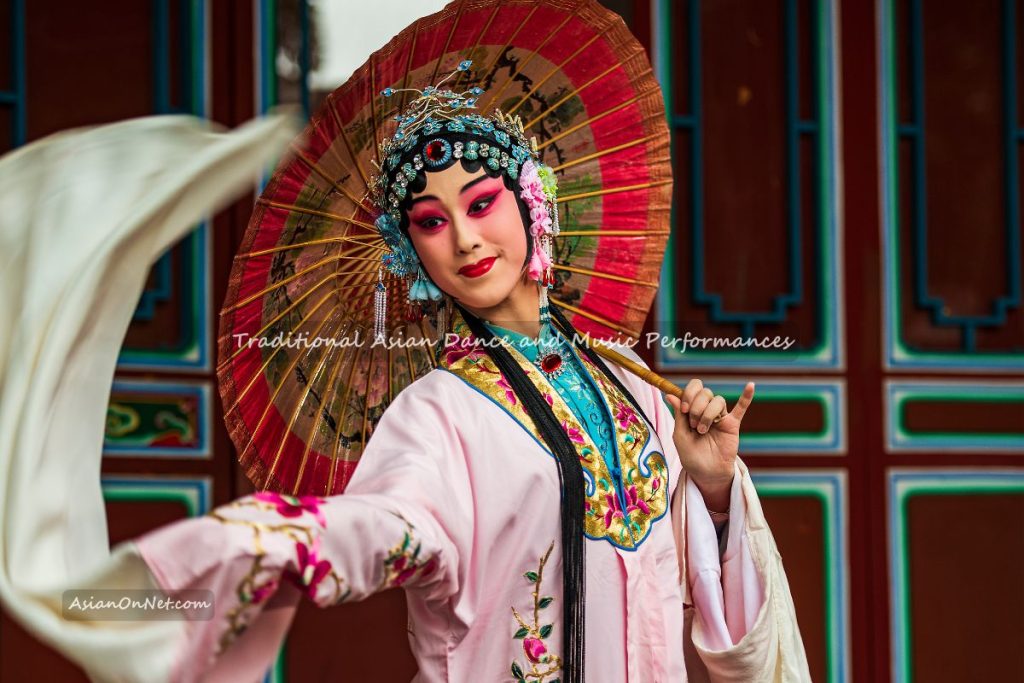
China’s Peking Opera epitomizes spectacle. Combining elaborate costumes, painted faces, acrobatics, and a distinct vocal style, it compresses centuries of legend and philosophy into a single stage. Instruments such as the guqin and erhu add emotional layers to these epics. In such settings, traditional Asian dance and music performances represent a blending of martial prowess, symbolism, and poetic storytelling.
Japan: Minimalism and Precision
Japanese performing arts embrace discipline and subtlety. Noh theatre, with its slow gestures and masked actors, aims to evoke “yugen”—a sense of profound grace. Kabuki, by contrast, is dynamic and colorful, appealing to popular audiences. Accompanying both is Gagaku, Japan’s ancient court music, one of the world’s oldest continuous musical traditions.
Korea: Masks and Epic Singing
In Korea, Talchum mask dances mix satire with spirituality, performed traditionally to drive away evil spirits and mock social hierarchies. Pansori, a powerful narrative singing style accompanied by a drummer, demonstrates the resilience of oral storytelling.
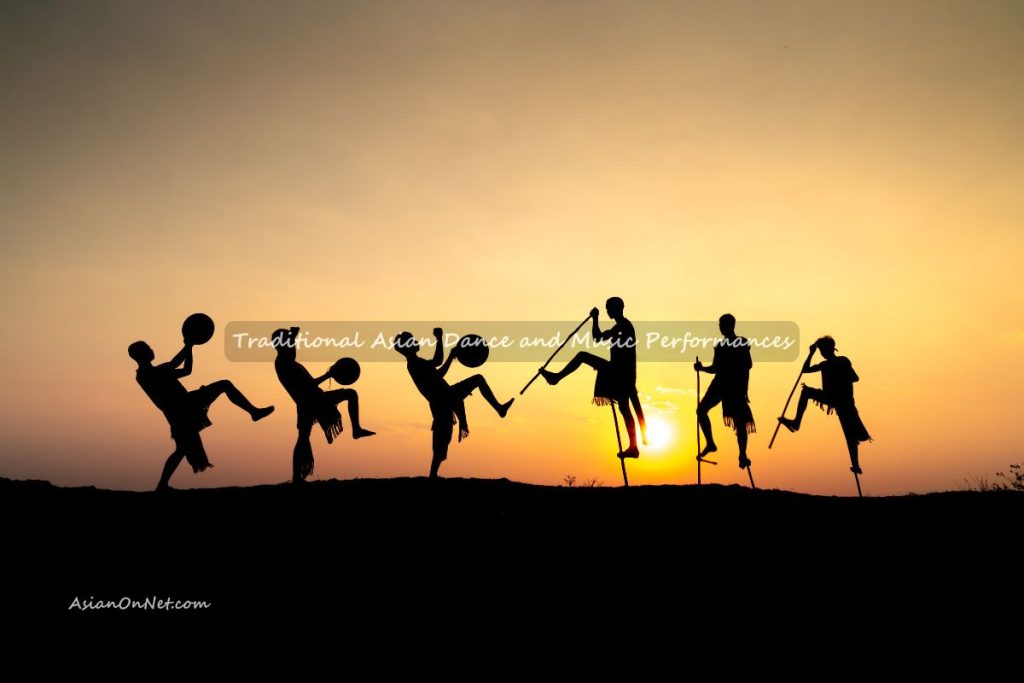
East Asia’s artistry thrives on symbolism. Every bow, drumbeat, or mask carries philosophical weight, showing how traditional Asian dance and music performances can embody harmony, morality, and community.
Southeast Asia: Sacred and Spectacular
Thailand: The Grace of Khon and Piphat
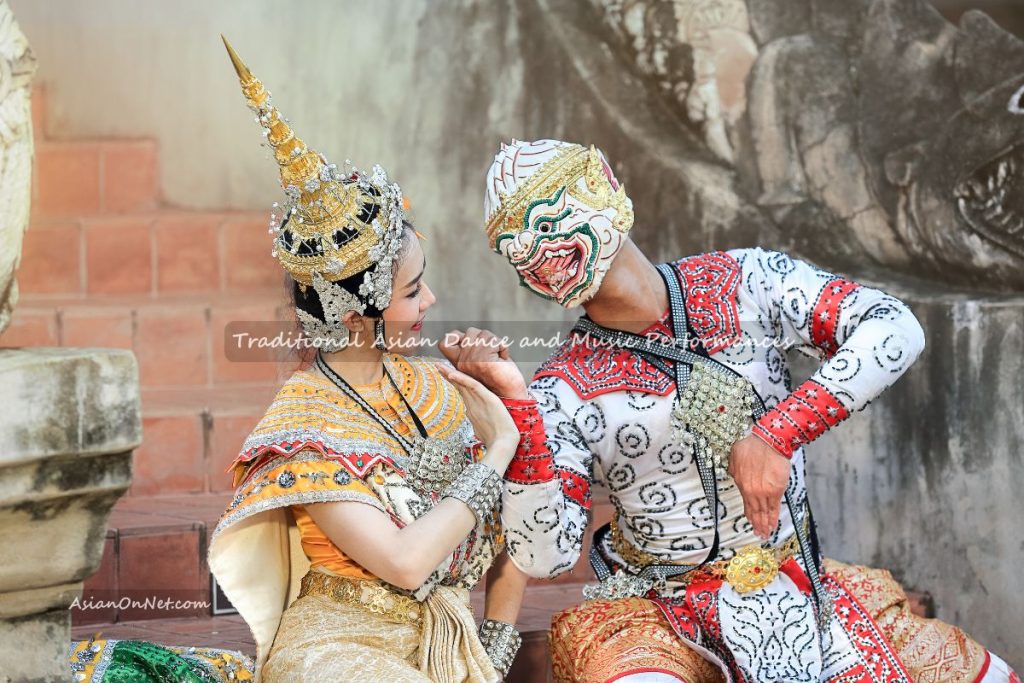
Thailand’s Khon masked dance brings the Ramakien epic to life, performed with ornate costumes and stylized movements. Supported by the Piphat orchestra of xylophones, gongs, and flutes, it transports audiences into mythic realms.
👉 “Want to immerse yourself in Thailand’s rich heritage? Don’t miss our guide on *The Art Of Thai Traditional Dance: A Cultural Journey.”
Cambodia: Celestial Apsaras
The Apsara dance, inspired by celestial dancers in Hindu mythology, is a crown jewel of Cambodian heritage. With elegant hand gestures and gentle sway, performers embody divine beauty, reminding viewers of the link between heaven and earth.
Indonesia: Gamelan and Balinese Dance
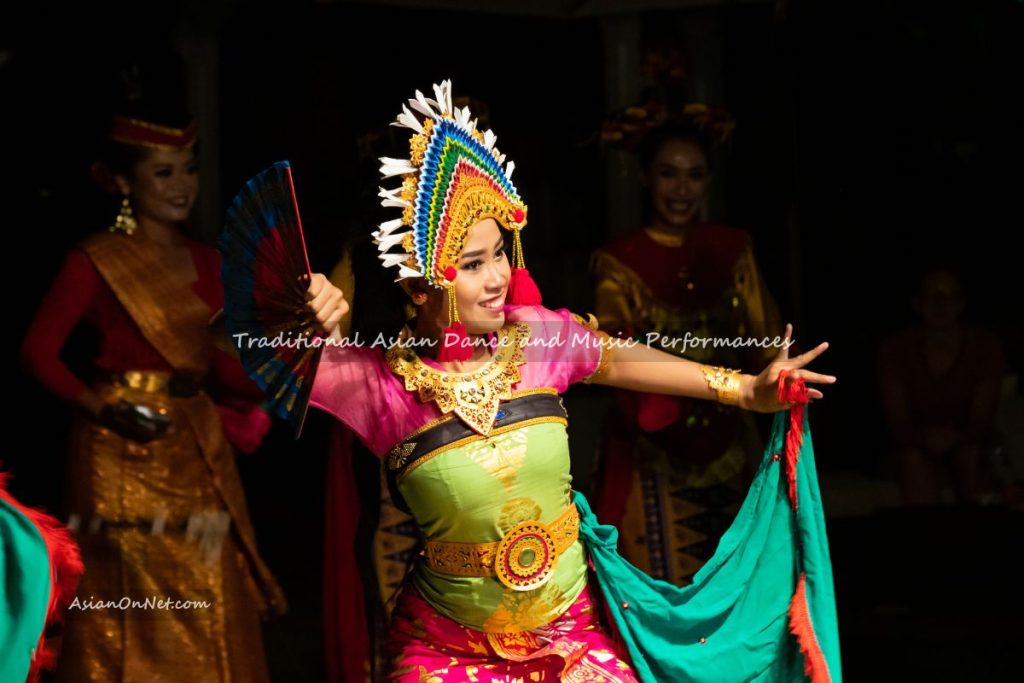
Indonesia’s Gamelan orchestras create hypnotic layers of sound, blending metallophones, drums, and flutes. Dances such as Legong and Barong, performed in Bali, represent both cosmic balance and community celebration.
Across Southeast Asia, traditional Asian dance and music performances remain embedded in festivals, temple rituals, and national identity. They continue to mesmerize tourists while nurturing deep cultural pride among locals.
Central Asia & The Silk Road: Nomadic Rhythms
Central Asia’s performing arts carry the heartbeat of the steppe. Nomadic traditions valued music as a way to preserve history, entertain communities, and honor spirits.
In Mongolia, throat singing (khöömei) produces haunting harmonics, often accompanied by the morin khuur, the horse-head fiddle that symbolizes the bond between nomads and their steeds. In Kazakhstan and Uzbekistan, epic storytelling (dastan) intertwines poetry, music, and dance to narrate tribal legends.
As caravans traveled the Silk Road, these art forms absorbed influences from Persia, China, and India. This cultural fusion shaped traditional Asian dance and music performances, making them a living record of cross-continental exchange.
Contemporary Revivals & Global Influence
Though deeply rooted in tradition, these art forms continue to evolve. Governments, cultural institutions, and artists are working to safeguard them against the tide of modernization. UNESCO has inscribed many of these practices on its Intangible Cultural Heritage list, ensuring global recognition.
At the same time, fusion experiments bring new audiences. Indian classical dance merges with modern ballet, Japanese taiko drumming tours electrify global stages, and Balinese Gamelan inspires avant-garde Western composers. Through these revivals, traditional Asian dance and music performances remain relevant, admired not only in their homelands but across the globe.
Why These Arts Still Matter Today
In a world rushing toward digital convenience, why should we still care about these traditions? The answer lies in their enduring messages.
Traditional Asian dance and music performances teach mindfulness, patience, and community. They emphasize respect for ancestors and harmony with nature—values that resonate deeply in today’s fractured societies. Watching a Balinese dancer or a Korean pansori singer reminds us that true art is not measured by speed or novelty but by depth and sincerity.
For travelers, experiencing these performances is a chance to step inside another worldview. For locals, preserving them ensures that identity and pride remain unshaken by modern homogenization.
Conclusion: A Timeless Symphony of Movement & Melody
From India’s temples to Mongolia’s steppes, from Chinese operas to Cambodian palaces, Asia resonates with rhythm and grace. These art forms are not relics of the past but vibrant threads in a cultural fabric that continues to evolve.
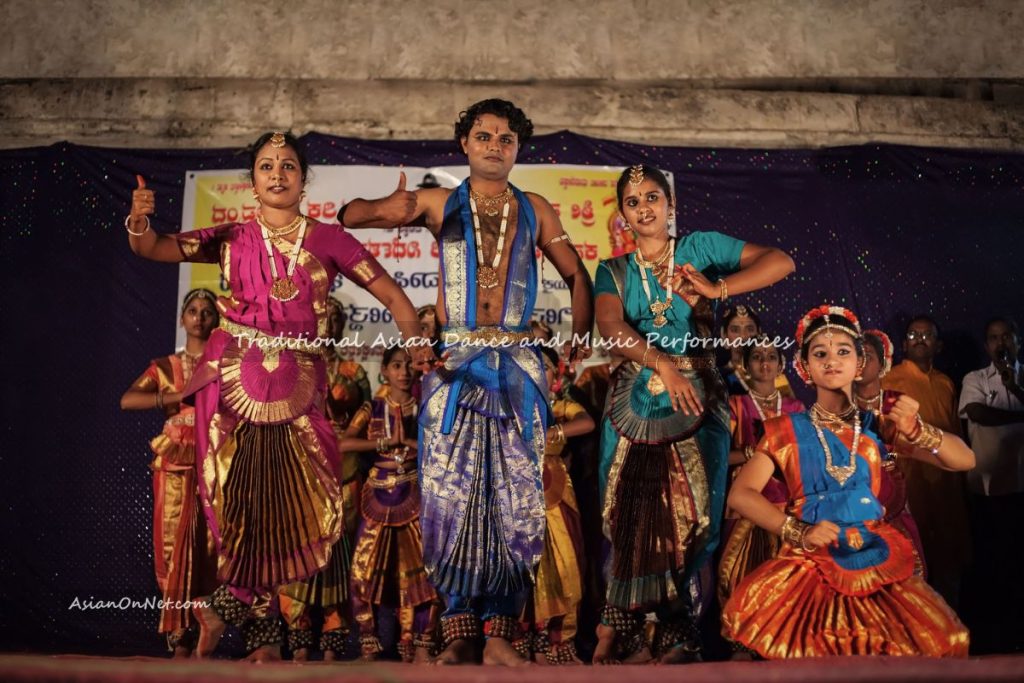
By engaging with traditional Asian dance and music performances, we witness the resilience of heritage and the universal language of art. They remind us that music and movement, though born in specific communities, carry messages that transcend borders.
In cherishing them, we honor not only Asia’s cultural diversity but humanity’s shared creativity.
FAQ Section
What defines traditional Asian dance and music performances?
A: They are artistic forms rooted in ritual, storytelling, and history. Whether temple dances in India or operas in China, traditional Asian dance and music performances emphasize cultural continuity and symbolism.
How do they differ from Western performing arts?
A: While Western arts often highlight individual expression, Asian traditions focus on spirituality, collective memory, and harmony with nature.
Where can travelers experience them today?
A: Visitors can enjoy performances at cultural festivals, temples, opera houses, and heritage centers across Asia. Many cities like Bangkok, Kyoto, and Beijing host daily showcases of traditional Asian dance and music performances.
Are these traditions fading away?
A: Some are endangered due to modernization, but active preservation efforts and global interest are reviving them. UNESCO recognition and cultural tourism play vital roles in sustaining these art forms.
Can traditional Asian dance and music performances be learned by outsiders?
A: Yes. Many schools and cultural centers across Asia and abroad welcome international students. However, mastering these arts requires patience, respect for tradition, and dedication to understanding their cultural context.
What role do costumes and instruments play in these performances?
A: Costumes and instruments are integral. In traditional Asian dance and music performances, costumes symbolize characters, deities, or cosmic forces, while instruments—like gongs, lutes, or fiddles—carry layers of spiritual and emotional meaning that enhance storytelling.